Freeflex st 16 review
Deep-dive review of the Tyrolia Freeflex ST 16: 5–16 DIN, race-bred power, Freeflex Pro heel, 85 mm brake, ISO 5355 only. Pros, cons, and comparisons.
Chassis
alpineOverview
The Tyrolia Freeflex ST 16 is a purpose-built race binding for technical piste skiers. With a 5–16 DIN range, a Freeflex Pro heel that allows the ski to flex naturally, and a low, streamlined chassis, it delivers razor-sharp power transfer and predictable release. Built under both Tyrolia and Head labels, the ST series targets GS/SL performance and fast on‑piste skiing with durability front and center.
Who is it for?
- Advanced to expert piste skiers and racers who prioritize precision at speed.
- Skiers who run higher DINs (~11+) and want solid forward pressure and a locked‑in race feel.
- Less ideal for GripWalk users or those seeking a lighter, more playful all‑mountain setup.
On-snow performance
The Freeflex ST 16 shines with edge hold and stability. The Freeflex Pro heel slides rearward to keep forward pressure consistent as the ski bends, maintaining grip and a smooth pressure build through the turn. The Stream Toe with Adaptive Suspension clamps manages micro‑movements for a secure interface without harshness. The stout construction inspires confidence on ice and at speed, though it feels heavier and more serious than recreational piste bindings.
Technologies explained
- Stream Toe + Adaptive Suspension: spring‑loaded jaws center the boot and promote consistent release.
- Freeflex Pro: elastic rearward heel movement maintains forward pressure as the ski flexes.
- AFD ST (Teflon/POM): low‑friction anti‑friction device for smooth, repeatable lateral release.
- Race Pro heel and sliding plate: two mounting positions/pressure‑point tuning and low aerodynamic drag for racing.
Specs and what they mean
- Type of binding: Alpine — fixed alpine interface for maximum on‑piste power transmission.
- DIN / release value: 5–16 — wide adjustability for strong skiers; precise tuning for speed and hard snow.
- Elastic travel: Not specified (Freeflex heel) — preserves forward pressure and helps prevent prerelease as the ski bends.
- Brake width: 85 mm — ideal for race and narrow piste skis; pick a brake about 5–15 mm wider than waist.
- Weight: approx. 2650 g/pair — robust, stable feel; heavier than all‑mountain/recreational options.
- Compatibility: ISO 5355 (alpine) — not GripWalk‑compatible; use alpine soles to ensure correct release.
- Materials: Steel base plate, aluminum components, POM/Delrin AFD — stiffness, durability, and controlled friction.
Pros and cons
- Pros: exceptional power transfer and confidence at speed
- Pros: Freeflex heel preserves ski flex and snow contact
- Pros: race‑grade materials and low‑drag design
- Cons: not GripWalk‑compatible (ISO 5355 only)
- Cons: heavier, more demanding than playful piste bindings
- Cons: limited brake options; focused on narrow race skis
How it compares
- Marker XComp 16: similarly race‑focused. Marker feels ultra “locked‑in”; Tyrolia often allows more natural ski flex thanks to Freeflex.
- Look SPX 15 Rockerace: famed heel elasticity and damping. Tyrolia excels at consistent forward pressure and directness; Look can feel a touch more lively.
- Salomon/Atomic X16: precise race interface. Tyrolia is a standout if you run Freeflex plates/Head race platforms or prioritize unimpeded ski flex.
Mounting and compatibility notes
- Alpine soles only (ISO 5355); no GripWalk.
- 85 mm brake pairs well with race skis (typically 65–78 mm waists).
- Have a certified tech mount and set forward pressure/release correctly.
Frequently asked questions
Q: Is the Freeflex ST 16 GripWalk‑compatible?
A: No. The ST 16 is designed for ISO 5355 alpine soles only. Use alpine‑standard boots for proper function and release.
Q: What brake width should I choose?
A: As a rule of thumb, select a brake 5–15 mm wider than your ski’s waist. For race skis, 85 mm is typically the right match.
Q: Who really needs a 16 DIN binding?
A: Strong, advanced skiers or racers who ski fast on hard snow. If you run under DIN ~10–11, a lighter 14‑DIN model may make more sense.
Key takeaways
- Race intent: 5–16 DIN and steel base for maximum power.
- Free ski flex: Freeflex Pro heel keeps pressure stable through turns.
- Strict compatibility: ISO 5355 only; no GripWalk.
Questions & opinions
User reviews
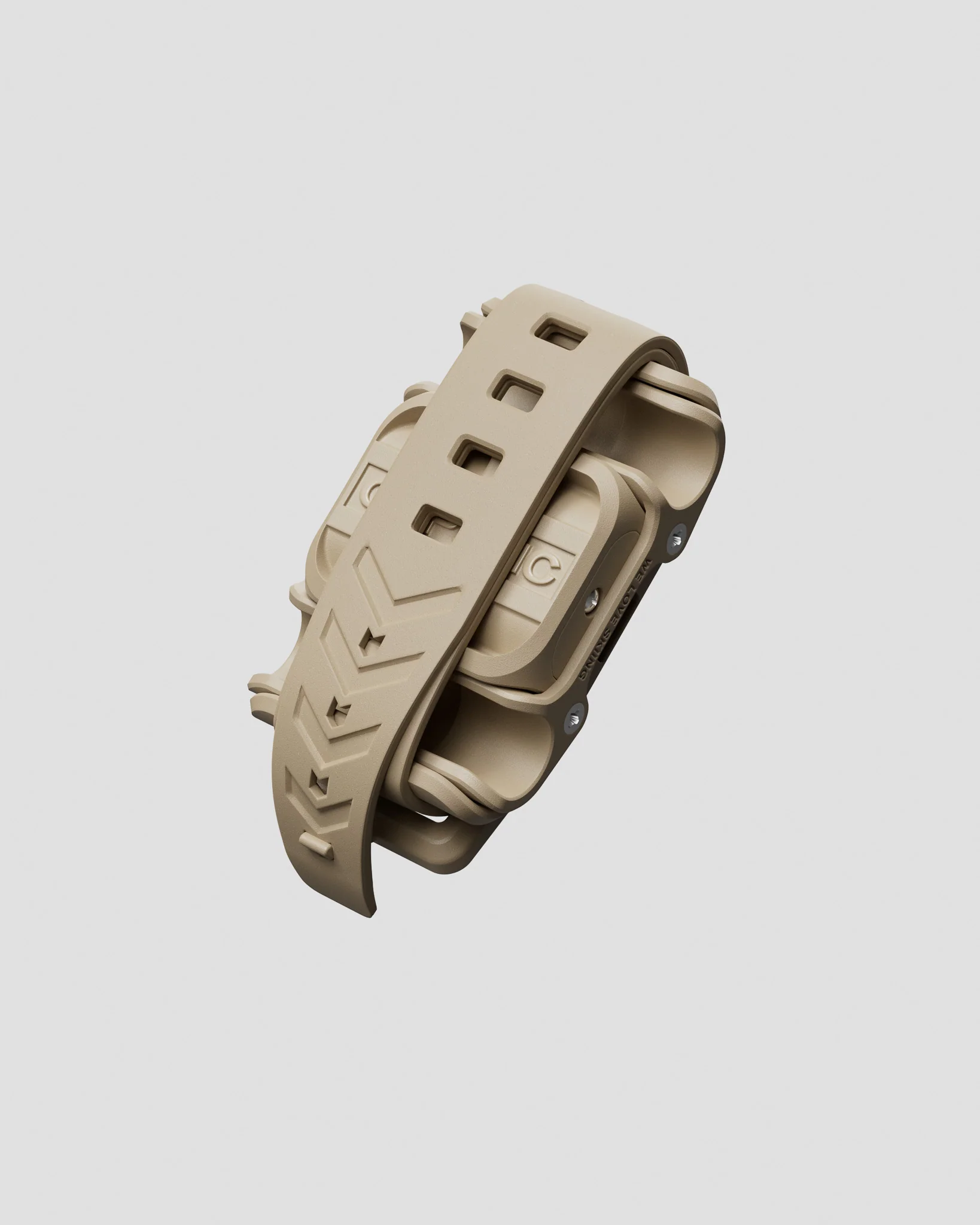
Missing a hand while carrying ski gear?
A friend of mine created Clipstic, the easy way to attach your poles to your skis! Using this link you get 10% off as well as support for Pick-a-ski!
Check it out!