The Stöckli WRT Team JR is a race‑inspired junior piste carver built for kids who love to tip it on edge and go fast. With a camber‑only profile (no rocker), a svelte 65 mm waist, and Size Optimized Construction (SOC), it delivers crisp edge hold, composed stability, and a distinctly “grown‑up” feel. This is a precision tool for progressing juniors and club athletes, not a playful all‑mountain toy.
Who it’s for (and not for)
- For: advanced to strong intermediate juniors, club training, frontside carving, kids who like speed and clean arcs.
- Not for: first‑timers, park/powder, or anyone wanting maximum forgiveness. Traditional camber rewards good technique and balance.
On‑snow performance
- Edge hold and precision: the 65 mm waist plus full camber provide quick edge‑to‑edge response and confident bite on hardpack and ice.
- Stability: SOC tunes flex by length, yielding a calm, low‑chatter ride for a junior ski—especially in medium‑radius carves.
- Turn initiation: without rocker, the tip prefers clear input. Stronger kids are rewarded with true, carved turns; skidded turns feel more on/off.
- Damping and feel: the sandwich build and Solid Metal Edge deliver a planted, durable platform. In chopped snow it stays composed for its class, but it’s a piste specialist at heart.
Construction & tech
- Sandwich construction with SOC (length‑specific flex and layup)
- Solid Metal Edge (wider edge) for durability and added stability
- Racing‑graphite base for glide
- Polyamide topsheet
- Core note: the tech sheet lists a PU core, while some marketing blurbs say “wood core.” On snow it feels stout and precise. Ask your dealer for your model year’s exact core spec.
Specs (and what they mean)
- Rocker profile: traditional camber (no rocker). Maximizes edge grip and rebound; less forgiving in skidded turns.
- Sidecut: tip 107–117 mm / waist 65 mm / tail 90–100 mm (122–160 cm). Narrow waist = lightning‑fast edge changes and strong bite.
- Radius: >9–>12 m by length. Encourages short to medium, race‑like arcs with ample drive.
- Weight: about 2.44–3.02 kg per ski (length‑dependent; retailer figures). Shorter sizes help lighter kids; longer sizes add stability.
- Lengths: 122, 128, 133, 139, 145, 151, 160 cm. SOC helps each length feel “right” for its intended rider.
- Base & edges: racing‑graphite base runs fast; wider edges allow repeated tunes and long life for club use.
Sizing and setup
- Length: chin to nose for most juniors. Lighter/cautious skiers can size down; heavier or aggressive skiers may size up for stability.
- Bindings: Stöckli commonly pairs L6/M10 (low DIN) options. Choose release values to match weight, ability, and intended use.
- Tuning: for icy resorts, a precise tune (e.g., 1° base / 2° side) works great. Keep it waxed to maximize the graphite base.
Comparisons
- Atomic Redster J9/JR: similar precision and race DNA; Stöckli feels a touch more damp/refined, while Atomic is often easier on the wallet.
- Rossignol Hero JR: very approachable and forgiving; the WRT Team JR offers more bite and high‑speed composure for aggressive carvers.
- Fischer RC4 (JR): likewise strong on hard snow; Stöckli stands out with thicker edges and consistent SOC feel across sizes.
Pros and cons
- Pros: razor‑sharp grip, adult‑like stability, durable edges, fast base.
- Pros: SOC tailoring by length makes sizing straightforward.
- Cons: limited off‑piste/playful versatility.
- Cons: no rocker means less forgiveness for newer skiers; premium price.
Key takeaways
- Race‑inspired: built for carving clean arcs and building technique.
- Camber‑only: maximum precision, less “easy mode.”
- Durable: wider edges and quality finish suit club mileage.
- Size‑specific tuning: consistent performance across lengths.
Frequently asked questions
Q: Is the Stöckli WRT Team JR a true race ski?
A: It’s race‑inspired rather than a FIS SL/GS ski. Ideal for club training, technical development, and hard carving on groomers.
Q: What size should I choose?
A: As a rule of thumb, chin‑to‑nose height. Go shorter for lighter or less aggressive kids; longer for heavier or confident chargers.
Q: Are the published weights per ski or per pair?
A: Retailers typically list per‑ski weights. The 2.44–3.02 kg numbers likely refer to a single ski; confirm with your dealer if critical.
Q: Is it suitable for beginners?
A: It can feel demanding for true beginners. A softer, rockered junior piste ski will be more forgiving early on.
The neighbourhood
its nearest skis on the map, by character — not by brandQuestions & opinions
User reviews
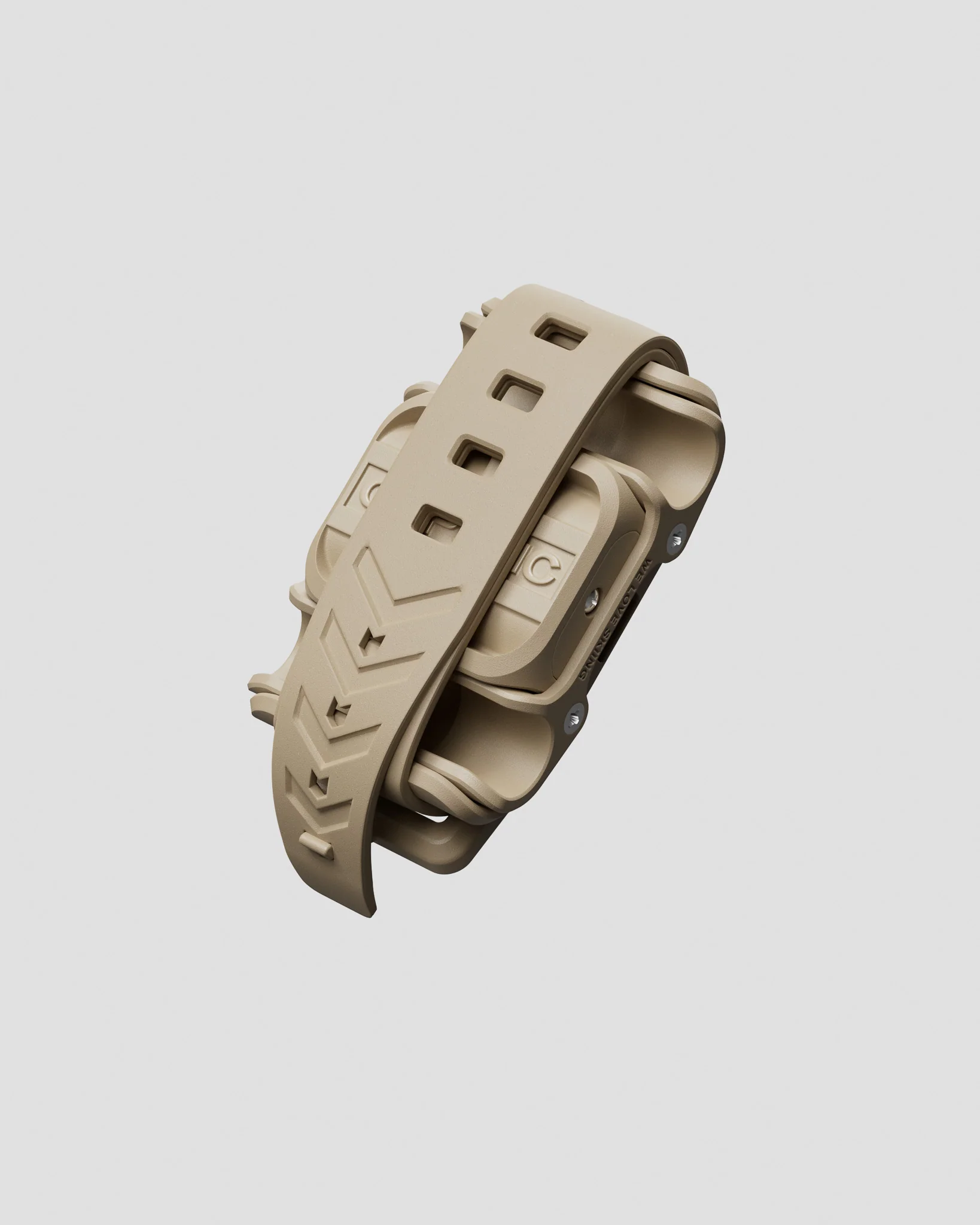
Missing a hand while carrying ski gear?
A friend of mine created Clipstic, the easy way to attach your poles to your skis! Using this link you get 10% off as well as support for Pick-a-ski!
Check it out!Not sure the Wrt team jr is your ski?
Answer a few quick questions and the ski selector matches you with the right skis from 800+ models — free, no sign-up.