The Stöckli Edge TR is a backcountry touring ski with a freeride bias: light enough for big days, yet notably calm, grippy, and confidence-inspiring on the descent. With an 85–88 mm waist (varies by length), long tip and tail rocker, and Stöckli’s refined sandwich build, it favors stability in medium-to-long turns without feeling sluggish on the skintrack.
Who it’s for
- Tourers who prioritize downhill performance over the absolute lowest weight.
- Skiers who like medium/long turns, reliable edge hold, and predictability on windbuff, chalk, corn, and tracked powder.
- Riders who chase bottomless powder often may prefer a wider platform (e.g., Stöckli Edge FT or 95–100 mm alternatives).
On-snow performance (downhill)
- Stability and composure: The generous effective edge and longer radius (16.3–21.7 m) keep things calm at speed and in mixed snow. It rewards driving turns and feels mature and damp for its weight class.
- Edge grip: Sandwich sidewalls and solid torsional stiffness deliver bite on hardpack and confidence on icy traverses, especially for a touring ski.
- Playfulness: The extended tail rocker brings forgiveness and easy release in soft snow. It pivots cleanly through chop and windboard, though the overall feel remains more directional than surfy.
- Float: At 85–88 mm underfoot, the Edge TR handles soft or variable snow well. For truly deep days, wider skis will float better.
Skinning and efficiency
- Weight: Real-world numbers cluster around 2.7–3.3 kg per pair depending on length (some listings show per-ski weights, e.g., ~1350 g at 166 cm). Not ultralight, but a smart balance for tourers who ski hard on the way down.
- Practical touches: The Touring Tail cutout secures skin hooks nicely, while Touring Super Light edges trim grams without making the ski feel flimsy.
Construction & tech
- Sandwich Sidewall: precise power transfer and durability.
- Super Light wood core + Thin Glass Laminate (~25% lighter): saves weight while preserving torsional characteristics.
- Titanal Technology EVO (top/surface): adds damping and durability and helps shed snow.
- Freeride Tip: lighter, stiffer insert for stability in chop and better planing.
- Long tail rocker with flatter radius: playful, forgiving release and easier maneuvering in soft snow.
Specs and what they mean
- Waist width 85–88 mm: a sweet spot for touring versatility—quick edge-to-edge with enough platform for mixed conditions.
- Vario sidecut and 16.3–21.7 m radius (158–178 cm): the longer radius promotes stability at speed and favors longer turns; each length is tuned for consistent feel.
- Rocker profile: Tip rocker (50 mm height, 320 mm length) plus long tail rocker. Faster planing and easier turn initiation/release with adequate effective edge for bite on firm.
- Weight: roughly 2.68–3.31 kg per pair by length; some sizes around ~1350 g per ski. Supportive on the down without punishing you on the up.
- Lengths: 158 / 166 / 172 / 178 cm. Choose near your height for maximum stability; size down for tighter terrain and jump turns.
Setup recommendations
- Light-to-mid tech bindings: ATK Raider, Salomon MTN/Summit, or Marker Alpinist keep the system weight in check and match the ski’s intent.
- More downhill power: Hybrids like Salomon Shift or Marker Kingpin add elasticity and drive, at the cost of noticeable uphill weight.
- Skins: The Touring Tail pocket works with most hook systems; pick robust tip/tail hardware for steep tracks.
Comparisons
- Stöckli Edge FT: wider with more float in pow but heavier on the uphill. Edge TR is the better all-round touring choice for mixed days.
- Stöckli Edge 88: more resort/all‑mountain focus, typically heavier and damper on groomers; less ideal for long tours.
- Dynafit Blacklight 88: significantly lighter and quicker uphill, but not as damp or confidence-inspiring in chop or at speed.
- Scott Superguide 88: lighter and very agile; the Edge TR feels more composed, grippier, and more powerful underfoot.
Potential drawbacks
- Not the lightest in class; weight weenies will find lighter options.
- Narrower than true powder specialists; float is limited on the deepest days.
- Longer radius prefers space and speed; it takes input to snap short turns in tight trees.
- Touring-specific, narrower edges can wear faster if you frequently encounter rocks.
Frequently asked questions
Q: Is the listed weight per ski or per pair?
A: Retailers differ. Expect roughly 2.7–3.3 kg per pair by length, with some listings around ~1350 g per ski (166 cm). Check the product page for your length to confirm labeling.
Q: What length should I choose?
A: Go near your height for maximum stability and long-turn confidence. Size down one step if you prioritize quick pivoting in couloirs or tight trees.
Q: How does the Stöckli Edge TR handle hardpack?
A: For a touring ski, edge hold is notably strong and the ride feels damp. It won’t mimic a race carver, but it’s impressively secure on early‑morning boilerplate and icy traverses.
Q: Are hybrid bindings (Shift/Kingpin) a good match?
A: Yes. You’ll gain downhill drive and elasticity, but the added mass is noticeable on longer climbs.
Key takeaways
- Freeride‑leaning touring ski with rare composure and grip for its weight.
- Best for skiers who value downhill stability over ultralight metrics.
- Excels in medium/long turns and variable snow; less ideal for bottomless days or super tight lines.
The neighbourhood
its nearest skis on the map, by character — not by brandQuestions & opinions
User reviews
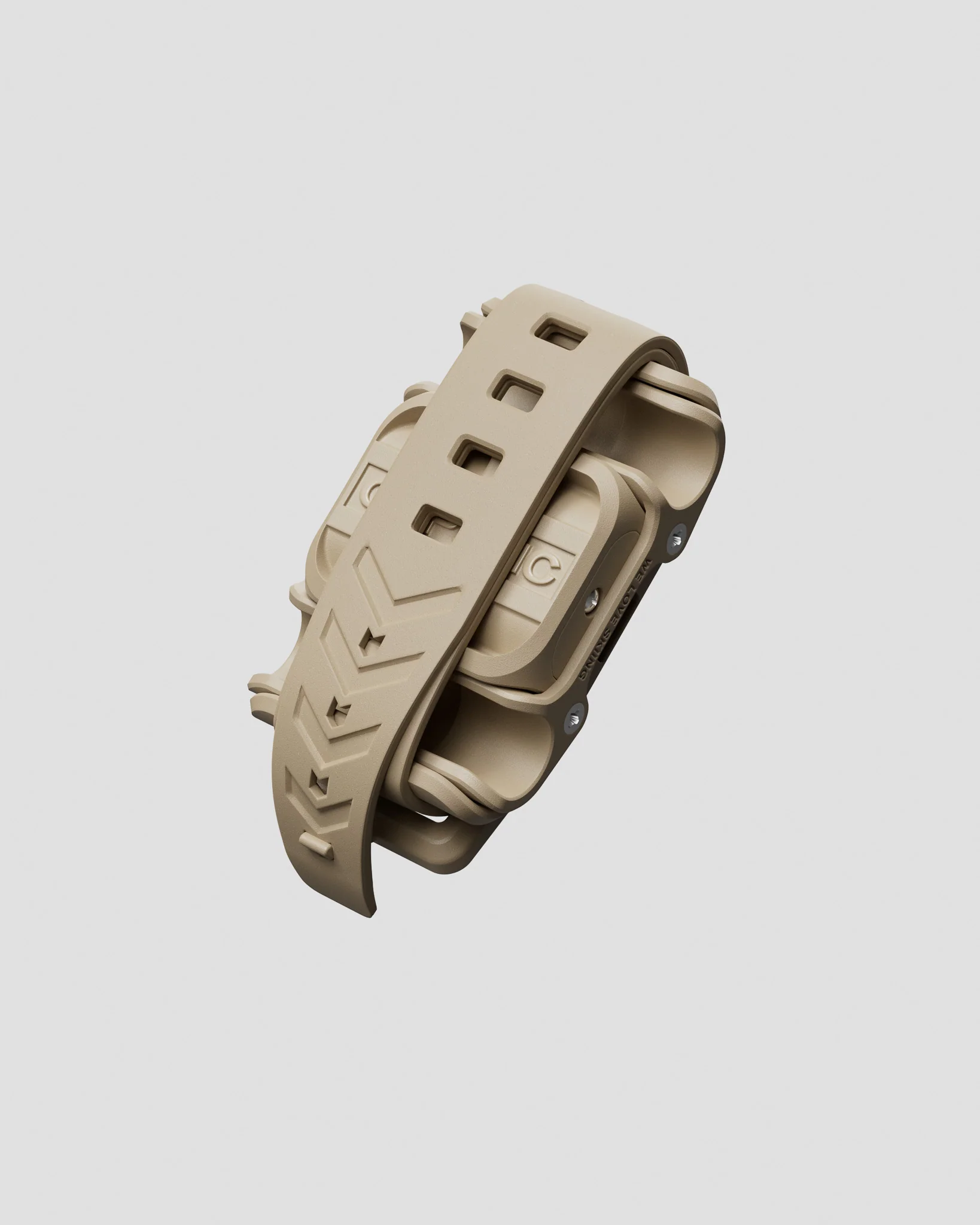
Missing a hand while carrying ski gear?
A friend of mine created Clipstic, the easy way to attach your poles to your skis! Using this link you get 10% off as well as support for Pick-a-ski!
Check it out!Not sure the Edge tr is your ski?
Answer a few quick questions and the ski selector matches you with the right skis from 800+ models — free, no sign-up.