Salomon’s S/LAB QST Blank is a purpose-built freeride ski that blends float, stability, and playful power. With a 112 mm waist, long tip/tail rocker, and a cork+basalt-damped layup, it stays composed in chop, planes easily in powder, and still carves better than you’d expect. Advanced to expert skiers who like to ski fast, hit features, and thread lines in mixed snow will appreciate how confidence-inspiring and predictable the Blank feels.
Key takeaways
- High-speed calm: Cork Damplifier + basalt deliver standout damping in chop and tracked snow.
- Float and pivot: 23/57/20 rocker profile gives easy planing and quick smear-to-carve transitions.
- Playful yet supportive: Poplar core with a partial twin and firmer tail adds pop and landing support.
- Versatile for 112 mm: Solid edge hold for the width; handles groomers respectably.
- Not a weight weenie: Ideal for resort/sidecountry laps; less ideal for long tours.
Who is it for?
- Advanced–expert freeriders who prioritize stability, predictability, and speed control.
- Riders mixing powder, chopped pow, steeps, and natural airs.
- Skiers wanting a wide freeride platform that won’t punish them on the way back to the lift.
Construction and design
- Full poplar wood core: Natural rebound and durability.
- Basalt + fiberglass laminate: Torsional support and edge hold without full-metal weight.
- Cork Damplifier (tip & tail): Reduces vibration and chatter with minimal mass.
- Titanal binding insert: Concentrated power transfer and screw retention underfoot.
- Full sandwich sidewall: Direct edge power and precision.
- Partial twin tail: Better switch capability and forgiving releases, with added landing backbone.
- Made in Austria.
On‑snow performance
- Powder: The long tip rocker and 112 mm waist float readily; the slightly stiffer tail keeps you centered on landings and draws a clean fall line.
- Chop & crud: This is where the Blank shines. Its damping and mass let you drive through refrozen tracks and set-on debris without nervous tips.
- Steeps/technical: Predictable flex and solid hold for the width offer confidence for hop turns, side-slips, and tight entries.
- Groomers/hardpack: For 112 mm, it carves well. The mid-radius sidecut (17–20 m by length) favors medium to longer arcs. On true ice, it’s competent, though not a metal race carver.
- Jumps & switch: The poplar core and partial twin provide pop and balance. It’s not a park butter machine, but it’s stout and composed on drops.
Specs explained
- Rocker profile (23/57/20): Long tip/tail rocker for float and maneuverability; camber underfoot for grip, stability, and rebound.
- Tip/waist/tail (by length): ~139–140 / 112 / 128–129 mm. Wide tip = easier planing; slightly narrower tail = supportive landings and clean release.
- Turn radius (17–20 m): Encourages stable, medium-long turns; still steerable when pressured.
- Weight (~1840–2270 g per ski): Heft aids damping and high-speed confidence; it’s overkill for big human-powered missions.
- Lengths (170/178/186/192): Pick by height, speed, and terrain; it skis best with some commitment.
Sizing and mounting
- Length: The Blank rewards commitment. Most strong skiers go true-to-size or +1 for stability.
- Up to ~5’9” (175 cm): 178
- 5’9”–6’1” (175–185 cm): 186 (the sweet spot for many)
- 6’1”+ (185 cm+) or very aggressive: 192
- Bindings: A solid alpine or hybrid frame/pin is ideal for sidecountry. For long tours, consider a lighter ski.
Comparisons
- Blizzard Rustler 11 (114 mm): Lighter and looser out back—great for slashes—but less composed at speed in chop.
- Atomic Bent 110: More playful and pressable; less stable in heavy, tracked snow.
- Nordica Enforcer 110 Free: Damper and more directional with metal; heavier and less nimble/playful.
- Salomon QST 106: Better daily driver for mixed seasons; less float and bulldoze power on deep/storm days.
Potential drawbacks
- Tour weight: Excellent descending focus, but not efficient for big vert touring.
- Firmer tail feel: Supportive, yet a touch less surfy/slarvy than very loose pintail designs.
- No full-metal layup: Strong hold, but not the ice-biting authority of a dual-Ti piste carver.
Frequently asked questions
Q: Is the S/LAB QST Blank a quiver-of-one?
A: In snow-rich regions, yes. The 112 mm waist, rocker-camber-rocker profile, and serious damping make it capable across pow, crud, and groomers. In low-snow areas, a QST 106 is often more practical.
Q: What length should I choose for the S/LAB QST Blank?
A: Strong off‑piste skiers often go true-to-size or one size up for stability. If you value tight trees and quick pivots, don’t oversize relative to your height.
Q: How does it compare to touring-focused skis?
A: The Blank prioritizes downhill performance and damping over uphill efficiency. A hybrid binding can work, but for long tours a lighter platform climbs far better.
Verdict
The Salomon S/LAB QST Blank pairs big‑mountain calm with powder-day fun and real all‑mountain utility. It’s damp, predictable, and energetic enough to keep things lively. If you want a freeride ski that handles speed, drops, and rough conditions with poise—yet doesn’t punish you on groomers—the Blank deserves a top spot on your list.
The neighbourhood
its nearest skis on the map, by character — not by brandQuestions & opinions
User reviews
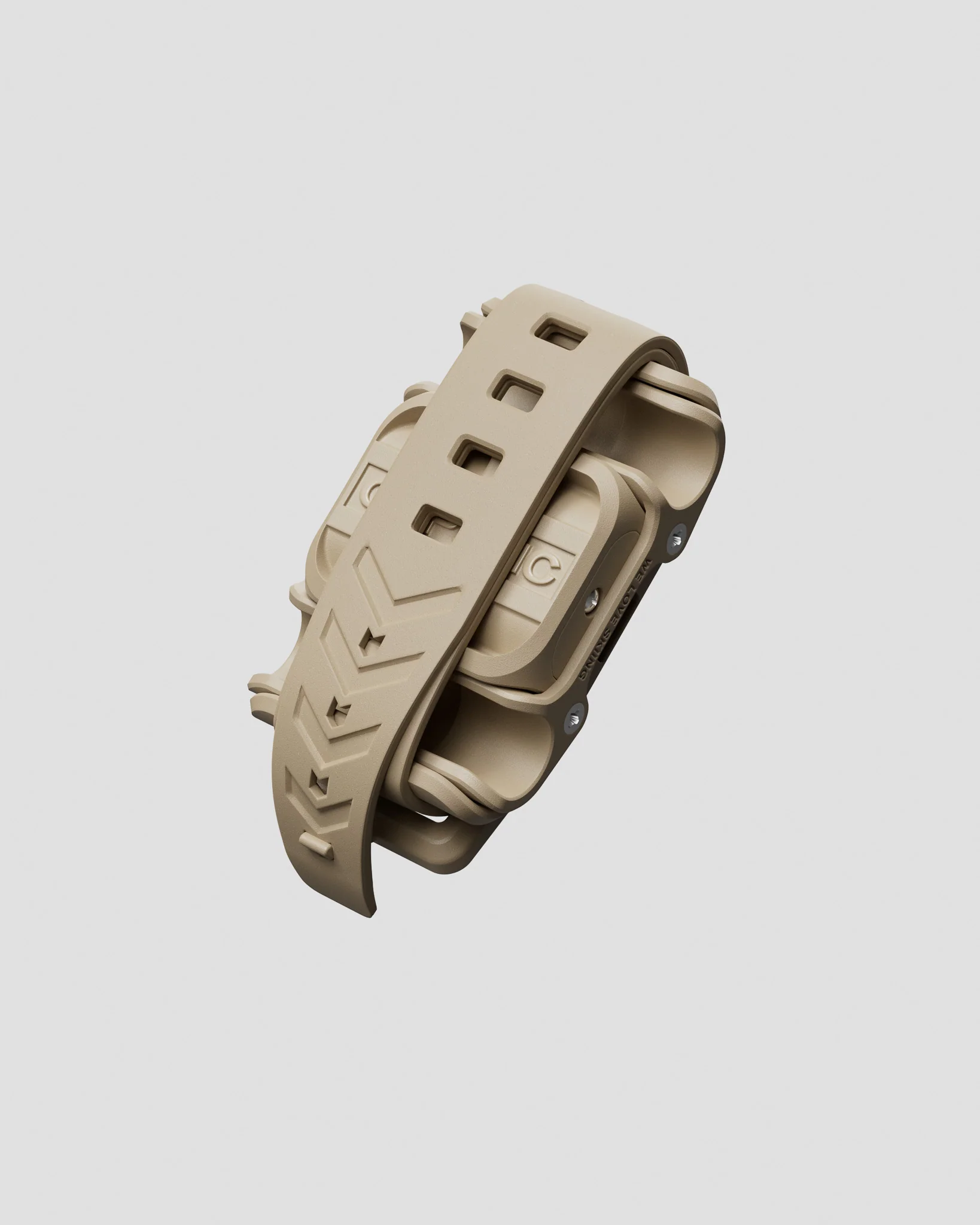
Missing a hand while carrying ski gear?
A friend of mine created Clipstic, the easy way to attach your poles to your skis! Using this link you get 10% off as well as support for Pick-a-ski!
Check it out!Not sure the S lab blank is your ski?
Answer a few quick questions and the ski selector matches you with the right skis from 800+ models — free, no sign-up.