Salomon’s QST Spark is a playful, twin‑tip all‑mountain/park ski built for progression and fun. With an 85 mm waist, lightweight poplar core, and a twin‑rocker profile (camber underfoot, slight rocker at tip and tail), it’s an easy, forgiving ride for beginners through lower‑intermediates who split time between groomers and the park.
On‑snow performance
Groomers
- Carving: The 85 mm waist and short‑to‑mid turn radii (12–16 m for most lengths) make for quick edge‑to‑edge transitions and nimble short to medium arcs. Don’t expect race‑room grip on boilerplate; at higher speeds the light build can chatter a bit.
- Stability: Effortless to pivot and not fatiguing. The trade‑off is less damping and bite on very firm snow compared with heavier, stiffer park/all‑mountain skis.
Park and switch
- Jibs, butters, rails: Twin‑rocker with camber keeps it poppy yet forgiving. Low swing weight helps spins, quick setup on features, and easy switch skiing.
- Jumps: Confidence‑inspiring on small to medium jumps. If you live on big booters or land deep frequently, burlier skis will offer more headroom.
Bumps, trees, and soft snow
- Moguls and trees: Light and quick to steer, making tight lines fun and less tiring.
- Powder: Slight tip/tail rocker adds a touch of float for a few inches of fresh, but 85 mm remains a resort‑day width, not a deep‑day tool.
Construction and specs explained
- Rocker profile: Twin‑rocker with camber underfoot (tip ~12%, tail ~10%). This balances playful pivoting/butters and switch with the grip and pop of camber.
- Sidecut and radius: 117‑85‑109 mm with radii by length from 12 m (150) to 18–19 m (178). Shorter lengths feel quicker; longer lengths add stability at speed.
- Weight (per ski examples): 150 cm 1425 g; 157 cm 1523 g; 164 cm 1625 g; 171 cm 1740 g; 178 cm 1856 g. Low mass reduces fatigue and swing weight, but also damping on choppy, icy snow.
- Core and edges: Poplar wood core for pop/response, step‑down sidewalls and wide steel edges for durability. Not as bombproof as the heaviest, full‑sidewall park tanks when abused on rails daily.
- Available lengths: 141, 143, 150, 157, 164, 171, 178 cm (Spark S junior: 113/123/133 cm).
Who is it for?
- Beginners to lower‑intermediates wanting an accessible twin‑tip for park progression and playful resort laps.
- Riders who value low swing weight and easy maneuverability over top‑end stability and ice‑grip.
Potential drawbacks
- Less stable and damp at very high speeds or on boilerplate ice.
- Limited float in deeper snow.
- Durability is good for the category, but heavy rail hitters may prefer burlier constructions.
Comparisons
- Armada ARV 84/86: Similar fun factor; ARV feels looser, while the Spark is a touch more all‑mountain friendly.
- Line Honey Badger (~90–92 mm): Heavier and stiffer for bigger jumps and speed; Spark is lighter and more forgiving.
- K2 Reckoner 92: Wider with better soft‑snow range and damping; not as flickable in the park.
- Völkl Revolt 86: More precise and grippy for advanced park skiers; less beginner‑friendly.
Key takeaways
- Playful and forgiving: Great for learning tricks and cruising.
- Light and nimble: Easy to pivot with low swing weight for spins.
- Versatile for resort use: Fun on groomers and bumps, but not a high‑speed charger.
Mounting and sizing tips
- Mount: Use the recommended line for mixed use; go +1 to +2 cm for primarily park/switch.
- Length: Nose‑height for park focus; eyebrow/forehead for more stability. If between sizes, size up if you’re heavier or ski fast.
Frequently asked questions
Q: Is the Salomon QST Spark good for beginners?
A: Yes. Its forgiving flex, light weight, and 85 mm waist make it easy to learn on. It encourages confidence in the park and on groomers without punishing mistakes.
Q: How does it hold on hardpack?
A: Camber underfoot provides decent edge hold for recreational carving. On true ice or at very high speeds, the light build and softish flex can feel less planted.
Q: What length should I choose?
A: For park‑first skiing, pick around nose height. For more all‑mountain stability, go a little longer (up to eyebrow/forehead). If between sizes, choose longer if you’re heavier or charge harder.
Q: What’s the difference between the QST Spark and QST Spark S?
A: The Spark S is the junior version in shorter lengths for younger/smaller riders. The design goal is the same: a playful twin‑tip for progression.
The neighbourhood
its nearest skis on the map, by character — not by brandQuestions & opinions
User reviews
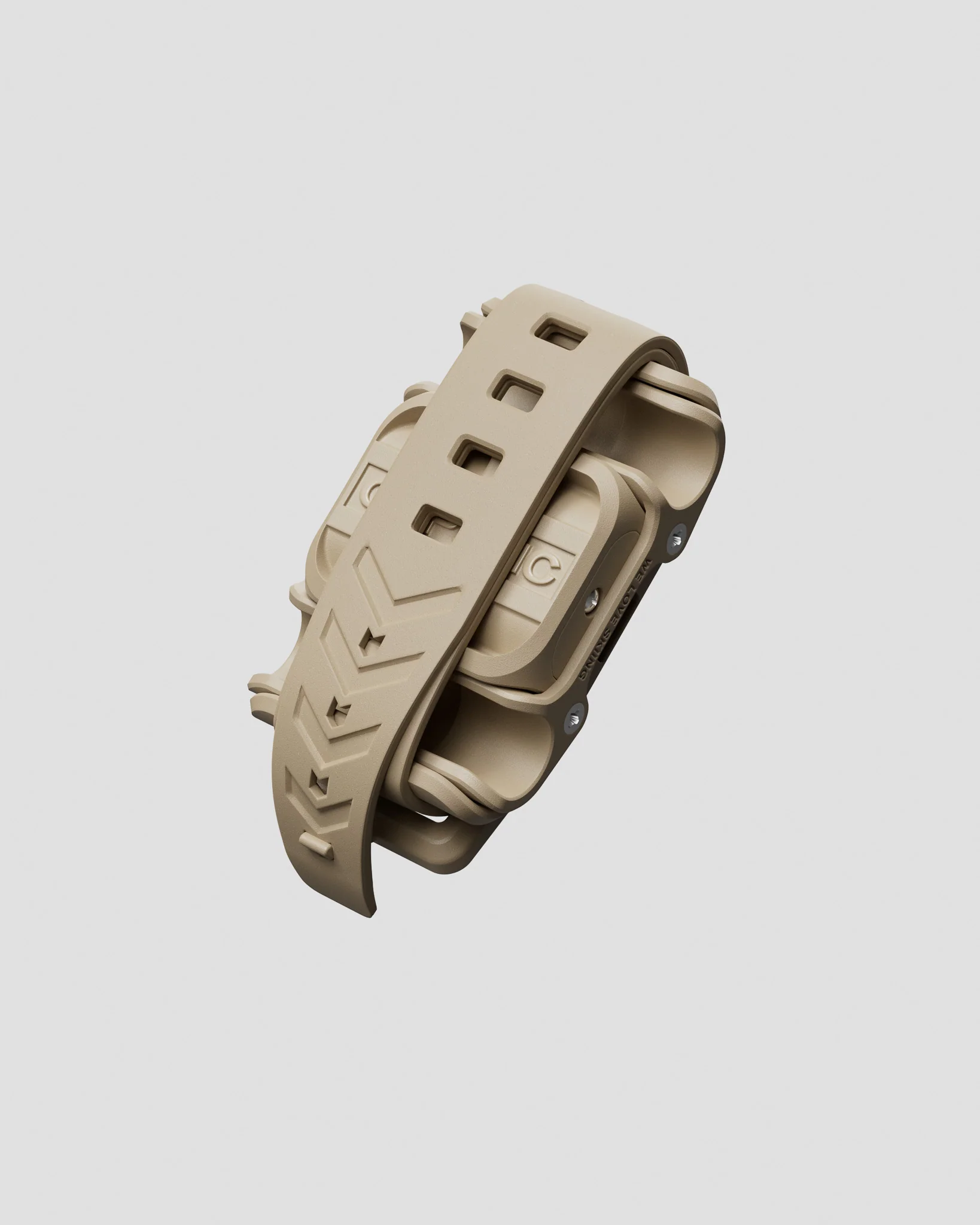
Missing a hand while carrying ski gear?
A friend of mine created Clipstic, the easy way to attach your poles to your skis! Using this link you get 10% off as well as support for Pick-a-ski!
Check it out!Not sure the Qst sprak is your ski?
Answer a few quick questions and the ski selector matches you with the right skis from 800+ models — free, no sign-up.