Overview
The Salomon QST 106 remains a benchmark do‑it‑all freeride ski. It combines easy float and quick pivots in soft snow with enough edge hold and damping to stay composed when the resort gets chopped up. If you want a playful, confidence‑inspiring 106 mm that can handle powder mornings and still be fun lapping groomers in the afternoon, the QST 106 should be on your shortlist.
On‑snow performance
- Powder: The wide tip, 106 mm waist, and progressive rocker deliver reliable float and a surfy feel. It slashes and smears easily, and stays maneuverable in trees and steeps.
- Tracked/variable: Cork Damplifier inserts calm tip/tail chatter. The QST feels smooth and predictable in chop and wind buff without becoming sluggish.
- Groomers & hard snow: For its width, it carves well. The basalt/fiberglass layup adds bite and stability. It prefers medium‑radius turns and a neutral‑to‑playful stance; it’s not an icy‑morning carving specialist.
Construction highlights
- Full poplar wood core for lively rebound and durability.
- Basalt + fiberglass laminates tune torsional stiffness and edge grip.
- Cork Damplifier in tip and tail for vibration control at speed and in crud.
- Double/full sidewall with injected ABS underfoot for solid power transfer.
- Sintered base for better glide.
Specs and what they mean
- Rocker–Camber–Rocker (~25% tip / ~17% tail): Easier turn initiation and release, better float; camber underfoot preserves edge hold and rebound.
- 138/106/125 mm (@173 cm): Biggish tip for float, versatile waist for all‑mountain use, slightly narrower tail for a loose, pivot‑friendly finish.
- Turning radius 16–20 m (by length): Versatile sidecut—comfortable in medium turns yet happy to pivot in tight spots.
- Weight ~1730–2090 g per ski (length‑dependent): Enough mass for stability without feeling heavy or sluggish.
- Lengths 157–189 cm: Broad size run to match different riders and styles.
Sizing and mount point
- Length: Most advanced skiers choose body height or +0–5 cm. Go shorter for a more playful, pivoty ride; longer for more stability and float at speed.
- Mount: The factory line is well balanced. +1 cm increases playfulness; −1 cm adds directional stability.
Comparisons
- Nordica Enforcer 104 Free: Heavier and damper with more top‑end stability, but less playful and more work in tight spots.
- Atomic Bent 110: Surfy and ultra‑playful in soft snow, but with less bite on firm and less precision at speed.
- Blizzard Rustler 10 (102 mm): Better hard‑snow composure and edge‑to‑edge quickness; less float on deep days.
- K2 Mindbender 108 Ti: More directional and powerful at speed; less forgiving and less pivot‑happy.
Pros
- Excellent blend of float, stability, and playfulness.
- Calm and confidence‑inspiring in chop and variable snow.
- Big performance window—easy to ski but capable when pushed.
Cons
- Not the grippiest option on true ice.
- Chargers may prefer a stiffer, damper alternative.
Key takeaways
- Quiver‑of‑one feel around 106 mm for soft‑snow‑biased resorts.
- Damping without deadness thanks to cork and basalt.
- Playful tail that still holds a line when asked.
Frequently asked questions
Q: Who is the Salomon QST 106 for?
A: Advanced to expert skiers who want a playful yet trustworthy freeride ski that floats in powder, stays composed in chop, and doesn’t punish you on groomers.
Q: How does it handle on ice?
A: Respectably for a 106 mm ski, but it’s not an ice specialist. Keep edges sharp; expect secure performance in mixed conditions and decent grip on firm, not glare ice.
Q: What bindings pair well with the QST 106?
A: For resort use, a solid alpine binding (e.g., Strive/Griffon/Attack). For 50/50 resort‑touring, consider Shift. If you’re touring a lot, the lighter QST Echo variant is better suited.
The neighbourhood
its nearest skis on the map, by character — not by brandQuestions & opinions
User reviews
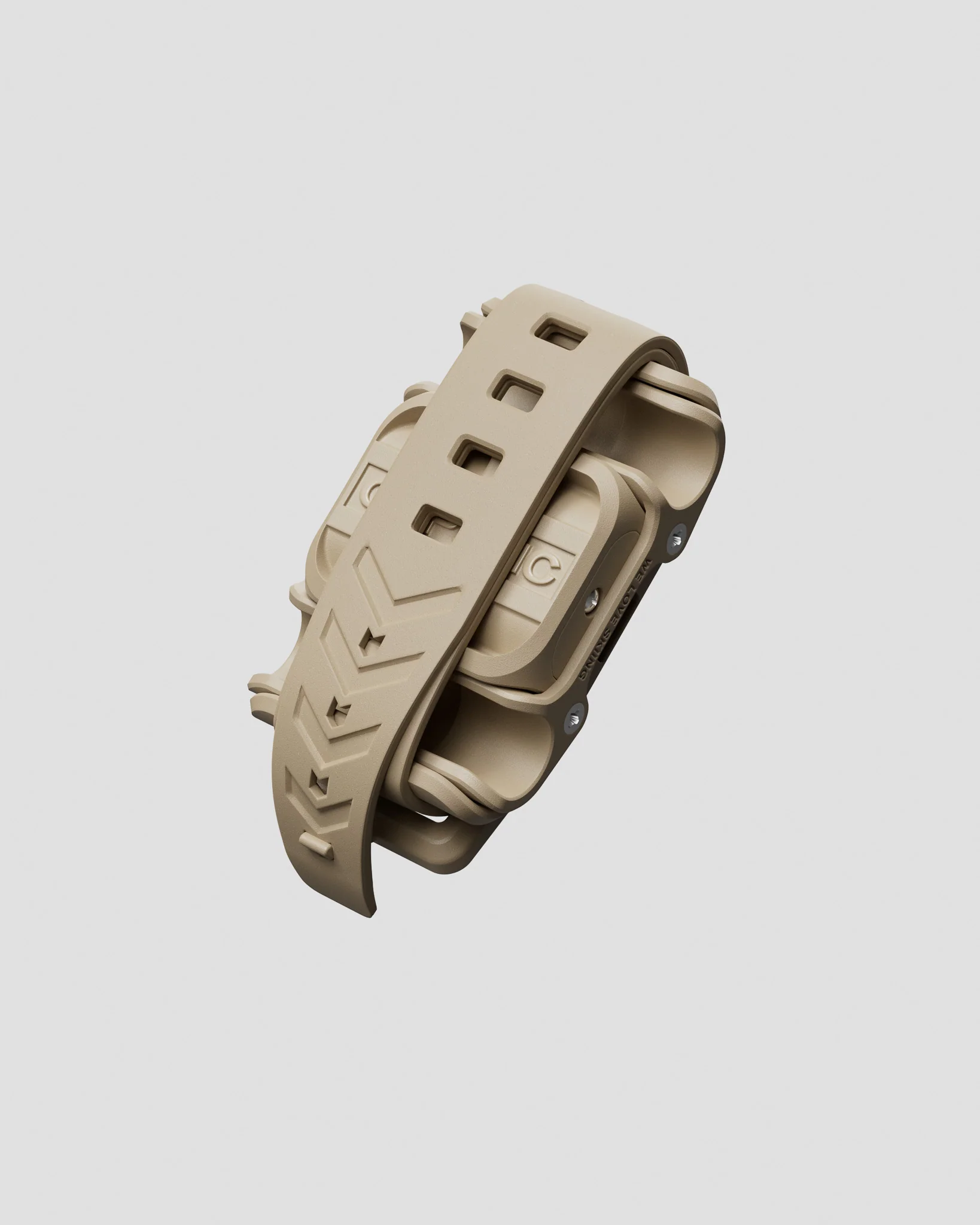
Missing a hand while carrying ski gear?
A friend of mine created Clipstic, the easy way to attach your poles to your skis! Using this link you get 10% off as well as support for Pick-a-ski!
Check it out!Not sure the Qst 106 is your ski?
Answer a few quick questions and the ski selector matches you with the right skis from 800+ models — free, no sign-up.