Mtn summit 9 review
Salomon MTN Summit 9 tech touring binding reviewed: DIN 4–9, AutoFlex 4 mm, ~395 g, 80–110 mm brakes. See pros and cons, comparisons, and specs explained.
Chassis
tech · alpine touringOverview
The Salomon MTN Summit 9 is a modern tech (pin) touring binding that blends low weight with reliable downhill manners. With a 4–9 release range, 4 mm AutoFlex heel elasticity, and brakes from 80–110 mm, it targets ski tourers who rack up vert and want confident, predictable descents without carrying the mass of burlier systems.
Who is it for?
- Intermediate to advanced tourers whose ideal DIN lives in the 4–9 window.
- Lighter to mid-weight skiers focused on long days and efficient climbs.
- All-round backcountry skis around 80–110 mm underfoot.
Specs explained
- Type of binding: Tech / Alpine Touring – uses pins at toe and heel for maximum uphill efficiency; not a full-on resort binding.
- DIN / release: 4–9 – adjustable vertical/lateral release; set appropriately for weight, ability, and terrain.
- Elastic travel: 4 mm AutoFlex – helps absorb ski flex and terrain chatter to mitigate pre-release.
- Brake widths: 80, 90, 100, 110 mm – match brake to ski waist (or up to ~15 mm wider) for best function.
- Weight: ~395 g per binding (with brake) – keeps swing weight low and climbing efficient.
- Compatibility: Tech-insert boots (ISO 9523) – not compatible with alpine-only soles.
- Materials: Aluminum + glass-fiber reinforced polyamide – strong, durable, and light where it matters.
Uphill performance
At roughly 395 g per binding with brake, the MTN Summit 9 feels efficient on long approaches. AutoFlex subtly tracks ski bending, reducing system stress on traverses and uneven skintracks. Integrated crampon hook compatibility is welcome when snow firms up.
Downhill and release feel
For its weight class, the MTN Summit 9 delivers reassuring power transfer. The 4 mm of heel elasticity aids retention over chopped surfaces and during ski flex, providing a calmer ride than fully rigid heels. Still, it’s a touring-oriented design: heavier or more aggressive riders, or those who routinely need higher release values, may prefer a binding with a higher DIN and/or more elasticity (e.g., MTN Summit 12 or Dynafit Rotation 10).
Features & usability
- Guided toe step-in reduces fiddling in wind or soft snow.
- Brakes operate cleanly and come in useful widths to match most skis.
- Wider screw pattern improves mount retention and overall reliability.
Durability
High-stress zones use aluminum while the chassis leverages glass-fiber reinforced polyamide for an excellent strength-to-weight balance. The result is a binding that feels stout without a weight penalty, suitable for season-after-season touring when maintained properly.
Comparisons
- Marker Alpinist 10: lighter without brakes and similarly touring-focused; DIN to 10. The Salomon’s step-in guidance and AutoFlex give it a slightly more composed feel, while the Alpinist can be the lighter option.
- Dynafit Rotation 10: heavier but with more elasticity (rotating toe) and generally more forgiving on rough snow. Better if downhill consistency is top priority over weight.
- ATK Crest 10: similar weight with DIN up to 10; ATK is known for crisp power transfer, while the Salomon stands out for usability and its AutoFlex compliance.
Potential drawbacks
- Max DIN 9 won’t suit heavier or very aggressive skiers.
- Less total elasticity than heavier “freeride-leaning” tech bindings.
- Tech step-in still requires more care than alpine bindings in deep snow.
Key takeaways
- Light and efficient: ideal for big days and long tours.
- AutoFlex 4 mm: calms ski flex and improves retention confidence.
- Best for DIN ≤ 9 skiers seeking a dependable, low-weight tech binding.
- Consider MTN Summit 12 or Dynafit Rotation if you push harder downhill.
Frequently asked questions
Q: What brake width should I choose?
A: Match the brake to your ski waist or go up to ~15 mm wider. Too narrow won’t fit; too wide can snag during edge transitions.
Q: Is the MTN Summit 9 suitable for resort laps?
A: It can handle occasional resort use, but it’s designed for touring. For frequent inbounds skiing, an alpine binding or a heavier hybrid may be a better fit.
Q: MTN Summit 9 or MTN Summit 12?
A: Choose the 9 if your DIN is under ~8–9 and weight matters most. Go 12 if you’re heavier, ski more aggressively, or want a larger release window and extra reserve downhill.
Questions & opinions
User reviews
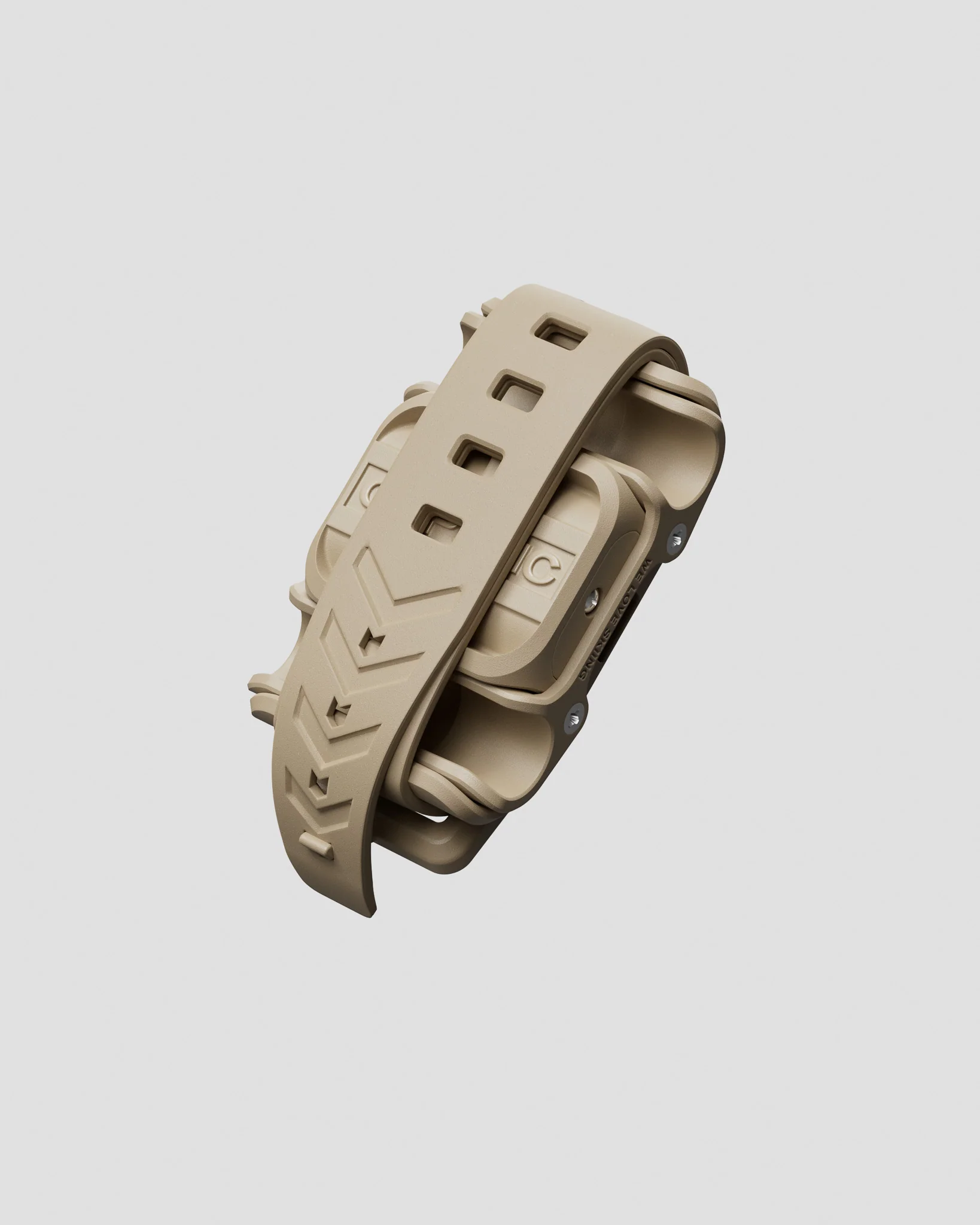
Missing a hand while carrying ski gear?
A friend of mine created Clipstic, the easy way to attach your poles to your skis! Using this link you get 10% off as well as support for Pick-a-ski!
Check it out!