What it is
A lightweight freeride/all‑mountain touring ski that keeps big days efficient and the descents confident. At 96 mm underfoot, the MTN 96 Carbon blends real edge hold and damping (for its class) with easy float and quick pivoting in mixed snow.
Build and specs (what they mean)
- Full Karuba wood core + carbon/basalt: low mass with lively flex and torsional support for bite on firm snow.
- Full sandwich sidewalls: strong power transfer and better edge grip on hardpack.
- Cork Damplifier in the tip: takes the buzz out of chop and reduces tip flap compared with many carbon‑forward skis.
- All‑Terrain Rocker (tip rise ~17%, tail ~12%, camber underfoot): easy turn initiation and soft‑snow lift; camber keeps energy and hold.
- Flat tail with skin‑clip notch: stable finish to the turn, predictable anchors, and hassle‑free skin attachment.
- Sintered base (with recycled content): fast and durable, aligned with Salomon’s sustainability push.
On‑snow performance
- Firm and groomed: For a 1.4–1.6 kg ski the calmness is impressive. Camber and sidewalls deliver secure bite. Not as locked‑in as a Blizzard Zero G 95, but smoother and more forgiving when the surface turns rough.
- Soft snow and pow: Pronounced tip rocker plus 96‑mm waist = easy planing up to about 20–30 cm. The ski pivots readily without a punishing tail.
- Chop and variable: Better than many ultralight options thanks to the cork tip and balanced flex. Still, in heavy resort chop, a beefier 50/50 ski (Salomon QST 98, Blizzard Hustle 9) is noticeably calmer.
- Trees and steeps: Low swing weight and a trustworthy flat tail make tight lines and kick turns feel composed.
Uphill efficiency
At roughly 1260–1580 g per ski (length‑dependent), the MTN 96 Carbon climbs efficiently while retaining enough mass to stay composed on the way down. Pure gram counters can go lighter, but the downhill payoff here is the point.
Who it’s for
- Backcountry skiers wanting one touring width that works most days, with real downhill chops.
- Riders who value a smoother, quieter feel than the stiffest, super‑light 95‑mm class.
- If you often blast resort crud or ski very fast, a heavier 50/50 board may suit you better.
Sizing and bindings
- Length: go true to size for technical terrain and agility; size up for more stability and float in open bowls.
- Bindings: pair with light tech bindings for big vert; choose a hybrid (e.g., Shift) if you’ll mix inbounds days—accepting the weight penalty.
Comparisons
- Black Crows Camox Freebird (95): lighter/looser and playful; less edge hold at speed. MTN 96 is a touch damper and more precise.
- Blizzard Zero G 95: lighter and torsionally stiffer on boilerplate; harsher in rough snow. MTN 96 is smoother and more forgiving.
- Atomic Backland 95 / Elan Ripstick Tour 96: similar weight/playfulness; MTN 96 feels a bit more planted at speed.
- Scott Superguide 95: strong edge bite; MTN 96 offers more soft‑snow ease and damping in 3D snow.
Pros and cons
- Pros: excellent climb/descend balance, above‑class damping, versatile rocker, confidence‑inspiring flat tail, skin‑friendly details.
- Cons: not as tranquil as heavier 50/50 skis in resort chop; carving precision is good but not race‑like; some tip flutter at very high speed.
Key specs explained
- 129‑96‑115 mm (174 cm): 96 mm is a sweet spot for touring versatility—adequate float without feeling sluggish on firm snow.
- 16–20 m radius (by length): favors medium to longer turns; predictable and non‑hooky.
- 1260–1580 g per ski: lighter climbs easier; a bit more mass calms the ride on the descent.
- All‑Terrain Rocker: tip rise adds float and easy turn start; camber underfoot adds grip and energy.
- Full sidewalls + carbon/cork: better power transfer and vibration control.
Key takeaways
- Efficient on the skintrack, unusually calm on the down for the weight.
- Damping and edge hold sit above the class average.
- Choose a heavier 50/50 ski if high‑speed resort chop is your main diet.
Frequently asked questions
Q: How does the Salomon MTN 96 Carbon handle ice?
A: For its weight it holds an edge well thanks to camber and full sidewalls. On true boilerplate, a Zero G 95 offers more bite but rides harsher; the MTN 96 is smoother and more forgiving.
Q: What length should I pick?
A: Go true to size for technical terrain and quick maneuvering. Size up if you prioritize stability and float in open terrain.
Q: Is it a good 50/50 inbounds/touring ski?
A: It can handle resort days, but in heavy chop a burlier 50/50 ski (QST 98, Hustle 9) will be calmer. The MTN 96 Carbon shines as a touring‑first all‑rounder.
Q: What bindings pair best?
A: Light tech bindings for long tours. If you’ll ski lifts frequently with stiffer boots, consider a hybrid like the Shift, accepting added weight.
The neighbourhood
its nearest skis on the map, by character — not by brandQuestions & opinions
User reviews
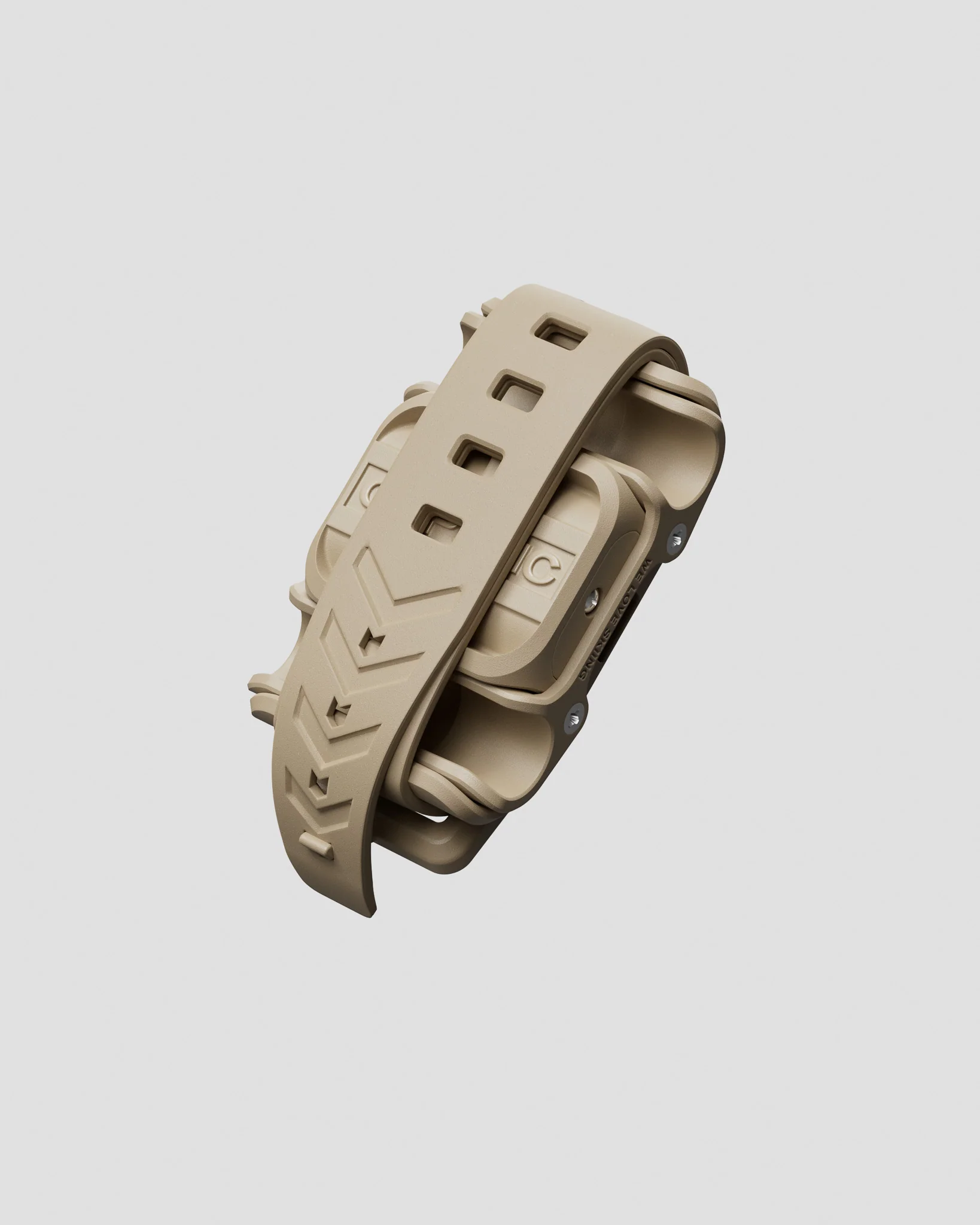
Missing a hand while carrying ski gear?
A friend of mine created Clipstic, the easy way to attach your poles to your skis! Using this link you get 10% off as well as support for Pick-a-ski!
Check it out!Not sure the Mtn 96 carbon is your ski?
Answer a few quick questions and the ski selector matches you with the right skis from 800+ models — free, no sign-up.