Overview
The Rossignol Escaper 97 Nano is a featherweight freetour ski that strikes a rare balance: uphill speed with real downhill confidence. A paulownia core keeps mass low, while ultra-thin Nano Basalt and a Nano Titanal plate add welcome damping and edge support. Rossignol’s Free Rocker (tip/tail rocker with camber) delivers easy float and intuitive turn initiation without sacrificing bite on firm snow.
Pros and cons
- Exceptional uphill efficiency: low swing weight and fast on the skintrack.
- Versatile in soft and mixed snow: lively, predictable, and easy to pivot.
- Strong edge hold for its weight class thanks to full sidewalls and underfoot titanal.
- Limited top-end composure on refrozen, rutted hardpack; some chatter at high speed.
- Powerful or very heavy skiers may prefer a heavier, damper platform.
On-snow performance
- Uphill: At roughly 1175–1410 g per ski (161–185 cm), the Escaper 97 Nano feels quick and efficient. The reduced-mass tip and full sidewalls help with traction and precision on traverses.
- Powder & soft snow: The Free Rocker (≈25% tip, ≈15% tail) floats readily and makes the ski nimble and forgiving. The 97 mm waist stays buoyant without feeling cumbersome in trees and tighter terrain.
- Variable conditions: Nano Basalt smooths out chatter better than most sub-1400 g skis. The ride feels predictable rather than hooky when the snow is cut-up or wind-affected.
- Firm snow: Surprisingly competent for its weight; the camber and rectangular sidewalls engage well. It’s not a charger—expect some vibration on ice and at high speeds.
- Stability & speed limit: Comfortable at moderate to moderately high speeds. It will reach its limit sooner than heavier, metal-laminate freetour skis.
Construction and design
- Paulownia core: prioritizes uphill efficiency and a lively feel.
- Nano Basalt (0.3 mm) + Nano Titanal (0.4 mm underfoot): targeted damping, elasticity, and torsional support without bulk.
- Rectangular full sidewalls: improved edge hold, precision, and durability vs. cap constructions.
- Free Rocker: progressive tip/tail rocker with underfoot camber for float plus grip.
- V-Skin anchor + notched tail: quick, secure skin attachment.
Sizing and bindings
- Length: Choose around your body height for an all-round fit. Size down (≈5–8 cm) for tighter trees/steeps or lighter riders; size up for more stability and float.
- Bindings: Pairs nicely with lightweight tech bindings (ATK, Dynafit Superlite) for big vert, or midweight freetour options (Marker Alpinist, Salomon MTN) for added downhill composure.
- Skins: The dedicated tip anchor and tail notch speed transitions in cold, windy ridgelines.
Comparisons
- Blizzard Zero G 95: Lighter and more hard-snow oriented; can feel harsher and less forgiving in soft chop than the Escaper 97 Nano.
- Salomon MTN 96 Carbon: Slightly heavier with better damping and high-speed calm; feels a touch less playful in soft snow.
- Black Crows Camox Freebird (≈97 mm): Heavier and more planted—better for windbuff and groomer laps, but slower on the climb.
- Atomic Backland 100: Wider and surfier for deep days; trades some edge precision on firm snow.
- Dynafit Blacklight 95: Extremely light and precise on steep, firm lines; less all-round in soft and choppy conditions.
Who is it for?
- Backcountry skiers prioritizing low weight without giving up a fun, confidence-inspiring descent.
- Riders who want a playful, predictable ski for powder, glades, and mixed conditions.
- Not ideal if your primary goal is charging icy hardpack at speed—consider a heavier, damper ski.
Specs explained
- Rocker profile: Free Rocker (tip/tail rocker + camber). Rocker adds float and pivotability; camber supplies grip and rebound on firm snow.
- Dimensions: 126–97–116 mm. A versatile mid-fat waist for float; the slightly narrower tail keeps releases clean.
- Weight (per pair, stated): 161: 2350 g | 169: 2490 g | 177: 2650 g | 185: 2820 g. Lower weight speeds the climb; heavier skis often feel calmer when charging.
- Radius: 15 m (161) | 17 m (169) | 19 m (177) | 21 m (185). Balanced sidecut for short to medium radius turns.
- Available lengths: Men 161/169/177/185 cm; Women’s W 97 Nano 160/168/176 cm. Choose by terrain, weight, and preference.
Notable features
- Paulownia core, Nano Basalt & Nano Titanal, full sidewalls, Aero/reduced tips and tails, V-Skin anchor.
Key takeaways
- Ultralight without feeling nervous: impressive damping for the class.
- A true all-rounder for soft and mixed snow touring.
- Respectable grip, but not a hardpack charger at speed.
Frequently asked questions
Q: How does the Rossignol Escaper 97 Nano handle hard snow?
A: Very well for its weight—camber and full sidewalls bite cleanly. On glare ice or at high speed you will feel some chatter; heavier skis remain calmer.
Q: What length should I choose?
A: Around your body height suits most. Size down for tight trees/steeps or lighter riders; size up for more stability and float on open faces.
Q: Is it good for powder?
A: Yes. The Free Rocker and 97 mm waist provide easy float and a loose, playful feel. For bottomless days, something 100–105 mm can be even easier.
Q: What bindings pair best?
A: Lightweight tech bindings maximize uphill efficiency; midweight freetour bindings add damping and confidence for bigger descents.
The neighbourhood
its nearest skis on the map, by character — not by brandQuestions & opinions
User reviews
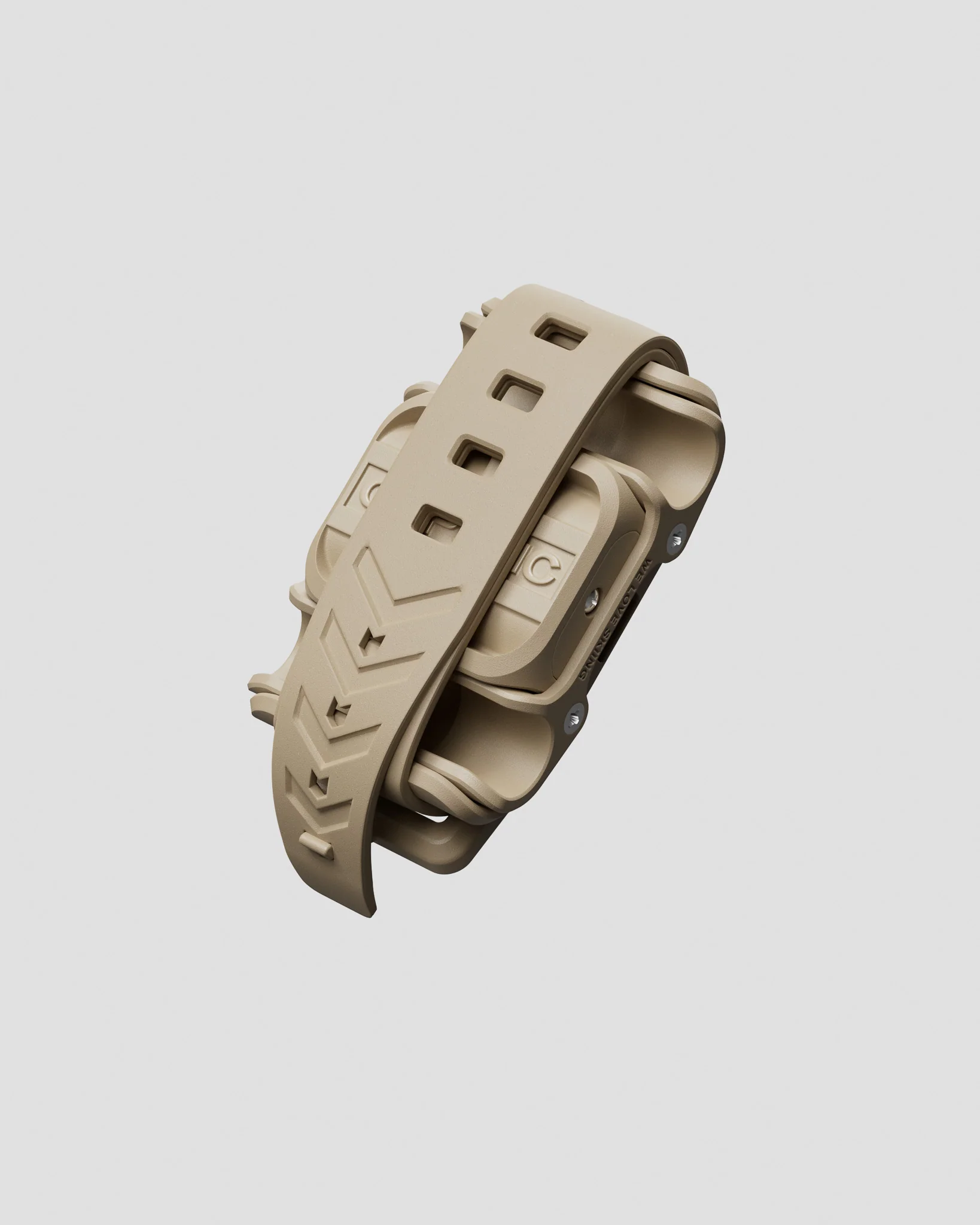
Missing a hand while carrying ski gear?
A friend of mine created Clipstic, the easy way to attach your poles to your skis! Using this link you get 10% off as well as support for Pick-a-ski!
Check it out!Not sure the Touring escaper 97 nano is your ski?
Answer a few quick questions and the ski selector matches you with the right skis from 800+ models — free, no sign-up.