The Rossignol Sender 106 is a modern freeride/all‑mountain ski that blends playful agility with confidence at speed. With Twin Rocker (rockered tip and tail, camber underfoot), a poplar wood core, Titanal Beam, Carbon Alloy Matrix, Double LCT, and Air Tip, it balances stability in chop with easy maneuverability in trees, bumps, and powder. It’s a true one‑ski quiver for many resort‑based freeriders.
Key takeaways
- Composed in chop: Titanal Beam and Carbon Matrix keep it calm and planted when the resort gets tracked out.
- Playful and versatile: twin tip shape, quick pivoting, and smooth smearing without feeling loose or flimsy.
- Real on‑piste bite: for 106 mm underfoot, it carves predictably and holds an edge well.
- Not extreme: it won’t float like a 110+ mm powder plank or carve like a narrow frontside ski—but sits in a sweet middle ground.
On‑snow performance
Powder & soft snow
At 106 mm underfoot (187 cm: 106), with generous tip rocker, the Sender 106 floats convincingly up to boot‑deep+ storms. The twin tip encourages a playful, surfy style and easy release of the tails. In the deepest, lowest‑speed snow, a wider 110–115 mm ski is surfier, but the Sender 106 remains lively and confidence‑inspiring.
Mixed conditions & chop
This is where the build shines. The Titanal Beam adds backbone and damping, the Carbon Alloy Matrix smooths high‑frequency vibration, and Double LCT helps the ski track rather than flap. You can push through refrozen debris and tracked piles with surprising authority for a mid‑weight, playful freeride ski.
Groomers
Thanks to camber, full sidewalls, and a progressive sidecut, the Sender 106 engages predictably and arcs medium to longer turns well. Edge hold is solid for the class; on true boilerplate a dedicated carver still wins, but the Sender is far from a one‑trick powder pony.
Bumps & trees
Reduced swing weight from the Air Tip makes quick direction changes easy. The tail provides support for landings yet releases smoothly for speed control. The 180 cm favors tighter spaces; the 187 cm remains nimble for its size.
Stability & speed
Lighter skiers will find it impressively composed at speed; heavier chargers may prefer the added heft of the 106 Ti/Ti+ for maximum plow‑through. The standard 106 hits a friendly balance of damping and energy that suits everyday resort freeride.
Construction & design notes
- PEFC Poplar core: lively, predictable flex with good rebound.
- Titanal Beam: targeted metal reinforcement for grip, damping, and stability without full‑sheet weight.
- Carbon Alloy Matrix + glass: boosts torsional strength and vibration control.
- Double LCT (2LCT ABS): improves line tracking and rebound in a wider platform.
- Air Tip: lower tip mass for quicker initiation and better float.
- Full sidewall + HD sintered base: edge hold and durable glide.
Specs explained
- Rocker profile: Twin Rocker (rocker tip & tail, camber underfoot) — quick pivoting and float in soft snow with confident edge contact on firm.
- Sidecut (mm): 180 cm 137‑104‑127; 187 cm 138‑106‑128; 194 cm 139‑108‑129 — wider for more float/stability, narrower for faster edge‑to‑edge.
- Turning radius (m): 18 (180), 21 (187), 24 (194) — longer = calmer at speed and bigger turns; shorter = snappier transitions.
- Weight per ski: ≈2050 g (180), 2200 g (187), 2350 g (194) — more mass adds damping and stability; less favors agility.
- Available lengths: 180, 187, 194 cm — size down for trees/bumps or lighter riders; size up for speed and open terrain.
Comparisons
- Salomon QST 106: lighter and surfier; the Sender 106 offers a touch more backbone and edge bite.
- Nordica Enforcer 104 Free: heavier/damper; the Sender 106 is easier to flick around and less tiring.
- Atomic Bent 110: more playful and floaty in deep snow; the Rossignol tracks better on firm and mixed conditions.
- Blizzard Rustler 10: narrower and lively; the Sender 106 feels more planted at speed.
Who it’s for (and not for)
- Best for: advanced to expert freeriders wanting one ski for powder, chop, and everyday resort laps—stable but still fun.
- Not for: ice‑only carving aficionados, or riders who want maximum surf/looseness in bottomless snow.
Frequently asked questions
Q: How does the Sender 106 compare to the Sender 106 Ti/Ti+?
A: The Ti/Ti+ add more metal and weight, making them damper and more stable in rough chop. They suit aggressive skiers who prioritize charging. The standard 106 is lighter, more playful, and plenty stable for most.
Q: What length should I choose?
A: For tighter trees/bumps or lighter riders: 180 cm. For most all‑around advanced skiers: 187 cm. For high‑speed, open bowls or bigger riders: 194 cm.
Q: Is it suitable for short touring laps?
A: At about 2200 g per ski (187 cm) it’s a bit heavy for big missions, but works fine for short sidecountry hikes with a hybrid binding. Dedicated touring skis will climb easier.
Q: How does it hold on ice?
A: Very solid for a 106‑mm freeride ski thanks to camber, sidewalls, and the Titanal Beam. True glare ice still favors a narrower frontside ski and sharp edges.
Bottom line
The Rossignol Sender 106 delivers a rare blend of damping, stability, and playful twin‑tip character. If you want one ski to handle powder days, mixed resort conditions, and still enjoy carving laps, this is a dependable, genuinely fun choice.
The neighbourhood
its nearest skis on the map, by character — not by brandQuestions & opinions
User reviews
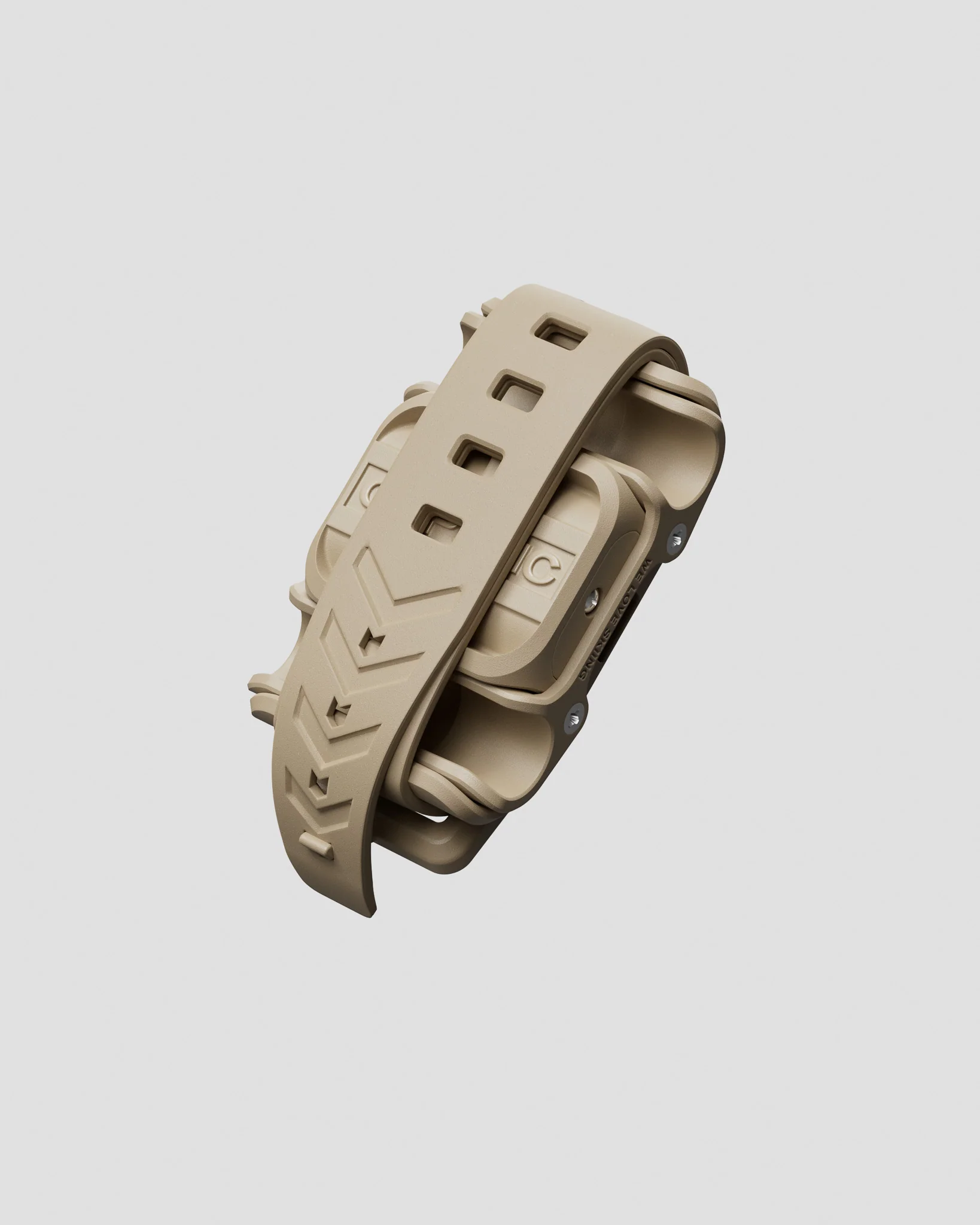
Missing a hand while carrying ski gear?
A friend of mine created Clipstic, the easy way to attach your poles to your skis! Using this link you get 10% off as well as support for Pick-a-ski!
Check it out!Not sure the Sender 106 is your ski?
Answer a few quick questions and the ski selector matches you with the right skis from 800+ models — free, no sign-up.