Hero fis sl review
Expert review of the Rossignol Hero FIS SL (FAC R22): ice‑grip, rebound, stability, who it’s for, tuning tips, and comparisons to Atomic, Head, Fischer.
The Rossignol Hero FIS SL is a World Cup‑caliber slalom tool with full camber, a stout sandwich build, LCT stability, and the R22 race plate. It’s designed to carve ice with precision, rebound hard out of the fall line, and hold a clean line through ruts. This is a purpose‑built FIS race ski, not a detuned consumer carver.
On‑snow performance
- Edge hold on ice: Outstanding. Full camber plus titanal and LCT deliver immediate bite and unwavering grip on injected surfaces. You can trust the edge even when the course is chewed up.
- Turn initiation and rhythm: Lightning‑quick and authoritative. It loves short, high‑angle slalom turns with a powerful, repeatable kick. Less forgiving than consumer SLs if you’re late or back‑seat.
- Stability and damping: At SL speeds, the R22 plate keeps things calm and composed. The platform is stout and predictable, soaking up chatter without dulling the ski’s energy.
- Versatility: With a 66–67 mm waist, race tune, and firm flex, it’s a pure frontside/race weapon. It’s demanding at slow speeds and in soft or choppy snow.
Who is it for?
- Ideal for: Active slalom racers (U18/Senior), coaches, and ex‑racers seeking an FIS‑legal SL with dependable grip and measured power.
- Consider alternatives if: You mainly free‑carve groomers. Rossignol’s Hero Elite ST TI or another non‑FIS SL will be more forgiving and versatile for all‑day resort use.
Comparisons
- Atomic Redster S9 FIS: Slightly looser tip and snappier feel. The Rossignol is smoother and more planted through the arc.
- Head Worldcup Rebels e‑SL FIS: Head’s tail feels stiffer and more punishing. Rossignol builds pressure more progressively.
- Fischer RC4 Worldcup SL: Razor‑precise with a slightly lighter sensation. Rossignol is the most composed and damp in rutted courses.
- Consumer SL (Hero Elite ST TI): Far friendlier and more versatile, but without the FIS‑level bite and aggression.
Setup and tuning
- Tune: 0.5° base / 3° side is a common race starting point; adjust for your snow and level. Keep edges very sharp and bases flat.
- Bindings: SPX Rockerace 15/18 on the R22 plate; mount on the plate marks.
- Length: 165 cm is standard for men’s FIS; 157 cm for women/juniors per category rules.
Pros and cons
- Pros: World‑class edge hold; calm, damp platform; powerful yet controlled rebound; race plate boosts leverage and precision.
- Cons: Demanding; little off‑piste versatility; heavier with plate/binding; minor spec variations across regional listings.
Specs explained
- Rocker profile (full camber): Maximizes edge contact and pop on hardpack — key for SL precision and acceleration.
- Sidecut (tip/waist/tail): 119‑66‑102 (157) or 121‑67‑104 (165) governs how quickly the ski pulls into the turn; wide tip/tail with a narrow waist = rapid edge‑to‑edge.
- Radius: 12 m (157) / 13 m (165) for tight, rhythmic slalom arcs at high edge angles.
- Weight: About 2.05–2.15 kg per ski; extra mass improves damping and line‑holding on rough, icy courses.
- R22 plate & LCT: Added stand height and rigidity; LCT limits counter‑flex, keeping the ski quiet and tracking true.
- Construction: Poplar/beech core with titanal laminates = strong torsional rigidity, stability, and race‑level power.
Key takeaways
- Ice‑grip specialist: Bites and holds on injected surfaces.
- Explosive, consistent rebound for short‑turn rhythm.
- Race DNA: Rewards aggressive, precise skiing and good timing.
Frequently asked questions
Q: Is the Rossignol Hero FIS SL FIS‑legal?
A: Yes. In 157 and 165 cm it’s built for FIS slalom. Always confirm your category’s regulations and the exact season’s spec.
Q: Can advanced recreational skiers enjoy it?
A: Possible, but it’s demanding. A non‑FIS slalom like the Hero Elite ST TI is usually more enjoyable for frontside carving days.
Q: How does it handle soft snow?
A: The narrow waist and stiff build tend to trench in soft snow. It’s at its best on hardpack and injected race lanes.
Q: What’s a good tune to start with?
A: 0.5/3 is a proven baseline for hard, icy conditions. Many racers run 0.5–0.7 base and 3 side; maintain edges frequently.
The neighbourhood
its nearest skis on the map, by character — not by brandQuestions & opinions
User reviews
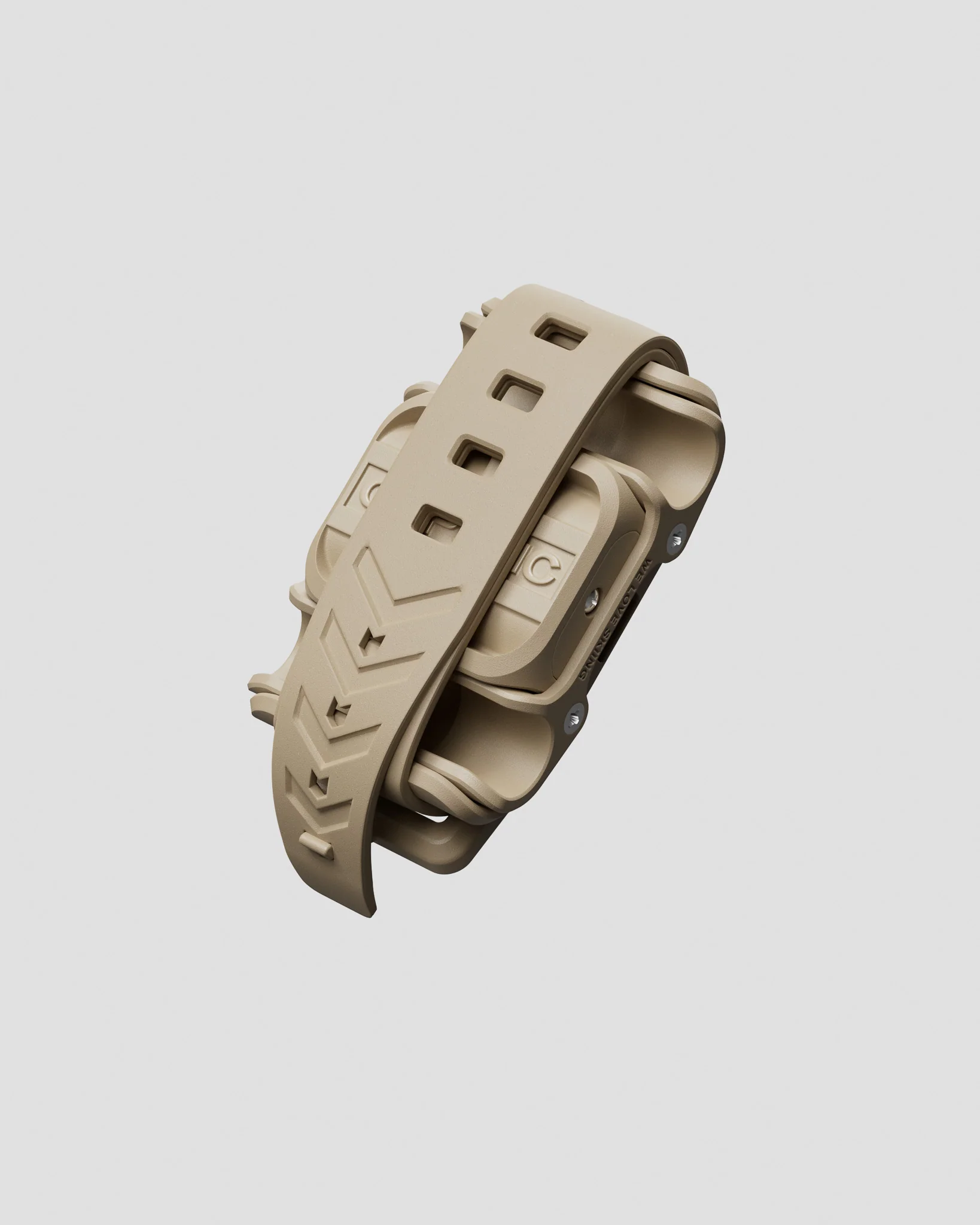
Missing a hand while carrying ski gear?
A friend of mine created Clipstic, the easy way to attach your poles to your skis! Using this link you get 10% off as well as support for Pick-a-ski!
Check it out!Not sure the Hero fis sl is your ski?
Answer a few quick questions and the ski selector matches you with the right skis from 800+ models — free, no sign-up.