Overview
The Rossignol Escaper 88 Nano is an ultralight touring ski that blends uphill efficiency with credible downhill performance. A paulownia core, Nano Fiberglass, and a thin (0.4 mm) Nano Titanal plate underfoot deliver edge hold and precision you don’t usually see at this weight. With an 88 mm waist and a tip-and-tail rocker, it’s built for mixed conditions—icy mornings, chalk, spring corn, wind‑buff, and a few inches of fresh.
If your days are defined by big vert, long approaches, and variable snow, the Escaper 88 Nano sits in the sweet spot between featherweight rando skis and heavier, more downhill‑oriented options. It’s light enough to keep your legs fresh while retaining the torsional control to ski assertively on the descent.
On‑snow performance
- Uphill efficiency: The low weight (from about 1.20 kg per ski in 156 cm) makes long climbs and kick‑turns notably easier. The AERO profile lowers swing weight, aiding tight switchbacks and technical skin tracks.
- Edge hold & stability: Rectangular full sidewalls and the centralized Nano Titanal layer provide trustworthy bite on firm snow and steeper traverses. For its class, it stays composed up to moderate/high speeds; in heavy chop you’ll still feel the low mass.
- Maneuverability: The longer, progressive tip rocker engages predictably, while the early‑rise tail releases cleanly. Quick, precise transitions make it friendly in trees, couloirs, and technical terrain.
- Variable snow & powder: At 88 mm, float is adequate for 10–20 cm of fresh, but deeper or very soft snow will favor wider skis. In broken or wind‑affected snow, stay light on your feet and the Escaper rewards with control and predictability.
Construction & tech explained
- Rocker profile (tip & tail rocker): Early rise in tip and tail improves turn initiation and pivoting in mixed snow; camber underfoot maintains edge grip and energy on firmer surfaces.
- Dimensions (120‑88‑110 mm): A quick, carvy waist for edge‑to‑edge speed; supportive tip width for some float without hookiness; slightly narrower tail to ease release.
- Weight (per ski): 1.20 kg (156), 1.25 kg (166), 1.35 kg (176), 1.40 kg (182). Less mass boosts touring efficiency and reduces fatigue, but requires smoother technique when it’s choppy.
- Radius: 13 m (156), 16 m (166), 18 m (176), 20 m (182). Medium radii balance stability in longer arcs with agility for shorter turns.
- Paulownia wood core: Very light, lively feel; ideal for touring with enough dampness to avoid a hollow ride.
- Nano Titanal (0.4 mm underfoot): Adds torsional stiffness, damping, and edge hold where you need it most around the bindings—without a big weight penalty.
- Nano Fiberglass: Ultra‑thin fibers that increase strength and control while saving grams.
- Rectangular Full Sidewall: Full‑length vertical sidewalls for precise power transfer and strong grip on hardpack.
- Sintered HD base: Fast, durable base material with good wax absorption—great for long tours and flat exits.
- Extended Sidecut & AERO profile: More effective edge at speed for confidence, with forgiving handling at lower speeds; reduced swing weight improves agility.
- V‑SKIN ANCHOR: Clean, secure skin attachment for quick transitions.
Sizing & bindings
- Length choice: Many tourers choose around their body height or slightly shorter for agility in technical terrain. Size up (176/182) for more stability at speed or with heavy packs; size down (156/166) for maximum maneuverability and minimal weight.
- Bindings: Lightweight pin/tech bindings pair perfectly. If you want more downhill insulation and elasticity, consider a slightly heavier, more robust tech or hybrid binding.
Comparisons
- Blizzard Zero G 85/95: The 85 is stiffer and more demanding with excellent edge hold, while the 95 offers more float and stability but typically weighs more than the Escaper 88 Nano.
- Atomic Backland 85/88: Even lighter and very nimble; generally a bit less damp and less tenacious on true ice than the Rossignol.
- Salomon MTN 86 Carbon: Slightly heavier but calmer in chop and at speed; the Escaper 88 Nano feels livelier on the skin track.
- Dynafit Blacklight 88: Similarly light with strong grip; can feel more serious/edgy. The Rossignol is often more forgiving in mixed snow.
- Black Crows Ova Freebird: More downhill‑oriented with extra mass and damping; less efficient on long climbs than the Escaper 88 Nano.
Who it’s for (and potential drawbacks)
- Ideal for: Tourers chasing big days who prioritize low weight, reliable grip on firm snow, and agile handling across varied conditions.
- Potential drawbacks: Limited float in deep powder; less damping than heavier skis in heavy chop; on hard resort snow at high speeds, it requires active technique to stay composed.
Key takeaways
- Ultralight efficiency: Save energy on the climb without giving up control on the descent.
- Real edge hold: Nano Titanal + sidewalls bring confidence on firm and steep.
- Agile and predictable: Progressive rocker makes technical terrain easier.
- Know the limits: Low mass can feel lively in refrozen or choppy snow.
Frequently asked questions
Q: Who is the Rossignol Escaper 88 Nano for?
A: Ski tourers who value low weight and efficient skinning but still want trustworthy downhill performance. The Rossignol Escaper 88 Nano shines on big vert days, technical skin tracks, and variable snow.
Q: How does it compare to the Blizzard Zero G 85?
A: The Zero G 85 is typically stiffer and more locked‑in on ice but demands more from the skier. The Rossignol Escaper 88 Nano feels lighter, more maneuverable, and a touch more forgiving in mixed conditions.
Q: What length should I choose?
A: Around your height works for most. Go shorter for tight terrain and agility, or longer for stability at speed, with a heavier pack, or if you’ll ski more aggressively.
Q: Is the Escaper 88 Nano good for resort days?
A: It can handle groomers and firm snow, but it’s designed for touring. At very high speeds on piste, heavier all‑mountain skis will feel more planted.
The neighbourhood
its nearest skis on the map, by character — not by brandQuestions & opinions
User reviews
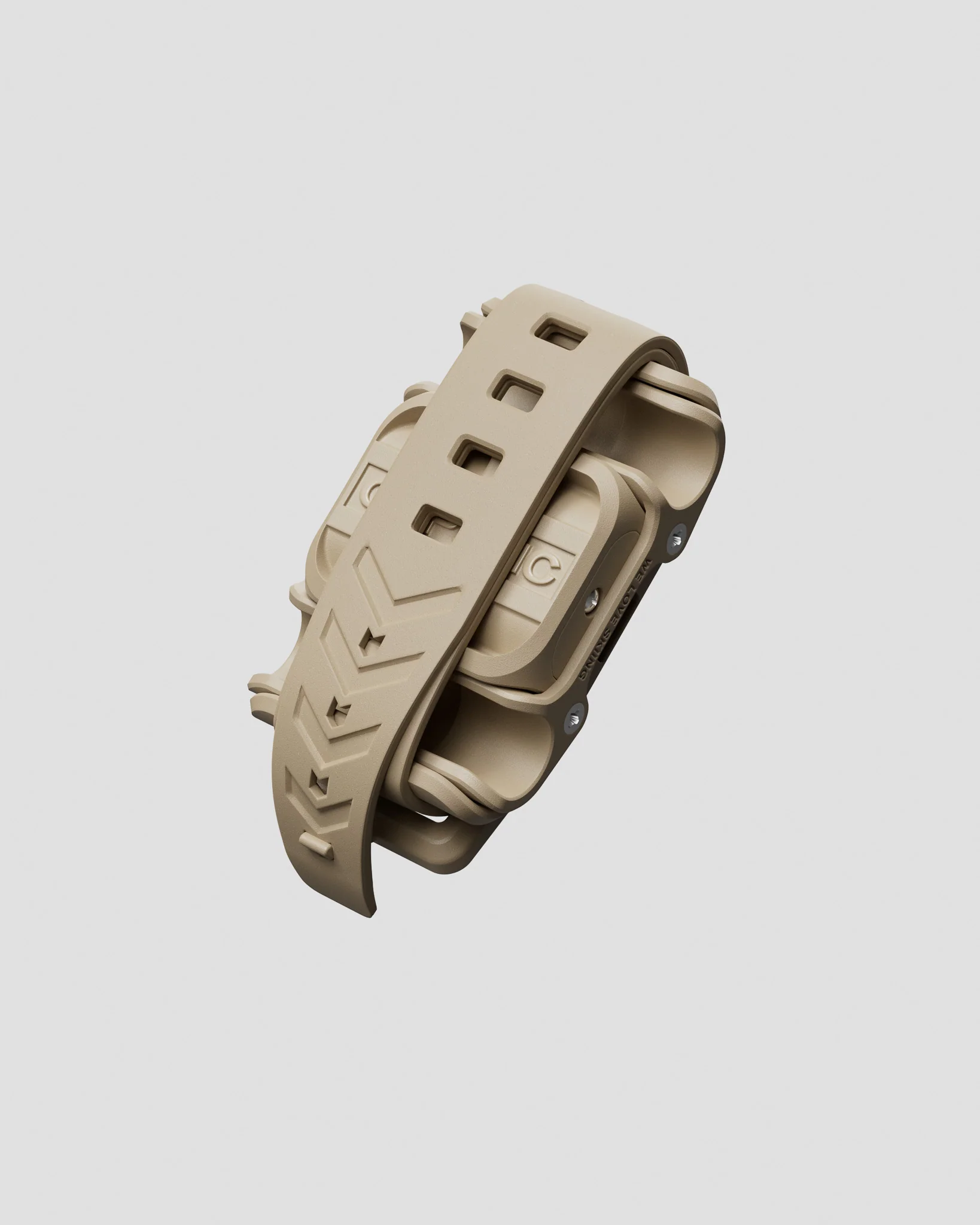
Missing a hand while carrying ski gear?
A friend of mine created Clipstic, the easy way to attach your poles to your skis! Using this link you get 10% off as well as support for Pick-a-ski!
Check it out!Not sure the Escaper 88 nano is your ski?
Answer a few quick questions and the ski selector matches you with the right skis from 800+ models — free, no sign-up.