Guide 14 review
Is the Plum Guide 14 right for your touring setup? We review weight, DIN 7–14, features, brakes, durability and on-snow feel, plus comparisons and buyer tips.
Chassis
tech · alpine touringOverview
The Plum Guide 14 is a full tech touring binding built for strong skiers who want durability, simplicity, and a high release range (DIN 7–14). With CNC‑machined 7075 aluminum, a quick “Too Facile” toe for easy step-in, and three climbing aids, it’s a dependable partner for long approaches and confident descents.
On-snow performance
- Uphill: At about 345 g per binding, the Guide 14 feels efficient on the skin track. The three heel risers (0 / 59 / 79 mm) keep cadence smooth on variable slopes, and the integrated crampon slot is great for icy traverses.
- Downhill: The 7–14 release range inspires confidence for heavier or more aggressive skiers. Like most pure tech bindings, elastic travel isn’t published and overall elasticity is limited versus hybrid bindings, but the ride is predictable when boots fit well and settings are dialed.
Features that matter
- “Too Facile” step-in toe: Faster, intuitive entry at the toe pins.
- 30 mm heel track: Handy for quiver sharing, shell changes, or resale.
- Optional brakes: 85/95/105/115 mm widths to match ski waists.
- Crampon slot: Accepts PLUM knives for firm snow security.
How it compares
- ATK Raider 13/14: Similar target user and weight; ATK often adds a bit more heel elasticity, while Plum stands out for robust, serviceable simplicity.
- Dynafit Radical 12: More all-round touring feel but lower max DIN; the Guide 14 suits harder chargers.
- Marker Alpinist 12: Lighter and affordable but with a lower DIN ceiling.
- Fritschi Tecton 13 (hybrid): Adds alpine-like elasticity and power but carries more weight; choose the Plum if gram-counting and simplicity win.
Potential drawbacks
- No brake by default: Brakes are an add-on, increasing price and weight.
- Elastic travel not stated: Less “cushion” than systems with pronounced elasticity.
- Tech boots only: Not compatible with alpine-only soles.
Specs explained
- Type of binding — Tech (pin), Alpine Touring: Pin interface at toe/heel for efficient climbing and direct power transfer.
- DIN / release — 7–14: Wide adjustability for heavier/aggressive skiers; lateral and forward release tuning.
- Elastic travel — Not specified: Indicates how much the binding can move before releasing; less elasticity can feel firmer but less forgiving.
- Brake width — Optional 85/95/105/115 mm: Choose a brake 5–15 mm wider than the ski waist for proper coverage.
- Weight — 345 g per binding: Low mass supports big days and long vertical.
- Compatibility — Tech inserts, ISO 9523 touring boots: Requires boots with tech fittings; not for non-tech alpine soles.
- Materials — 7075 aluminum, steel, POM: CNC alloy for strength-to-weight, steel pins for durability, POM for smooth function.
Who it’s for (and not for)
- Ideal: Backcountry and freerando skiers who want a light, tough, minimalist binding with a high DIN.
- Not ideal: Riders who prioritize alpine-like elasticity, pre-installed brakes, or frequent resort use where brakes are mandatory.
Frequently asked questions
Q: Do I need the optional brake?
A: For resort and crowded terrain, a brake is strongly recommended for safety. In pure backcountry use, a leash can suffice, but brakes prevent runaways on firm snow.
Q: Will the Plum Guide 14 work with my boots?
A: You need tech-compatible touring boots (ISO 9523 with tech inserts). Check insert condition and have release settings adjusted by a professional.
Q: How does the weight compare?
A: At 345 g per binding, the Guide 14 sits in the light-mid class. There are lighter race-oriented options, but they rarely match the DIN range and durability of the Plum.
Q: Is the Guide 14 suitable for heavier skiers?
A: Yes, the 7–14 range accommodates many heavier or aggressive skiers. Proper mounting, tuning, and suitable skis are key to unlocking its performance.
Key takeaways
- High DIN, low weight: Rare combo for hard-charging tourers.
- Robust and simple: CNC aluminum and proven mechanics for reliability.
- Modular: Add brakes and crampons as needed.
- Not for everyone: Less elasticity and no stock brake versus hybrids.
Questions & opinions
User reviews
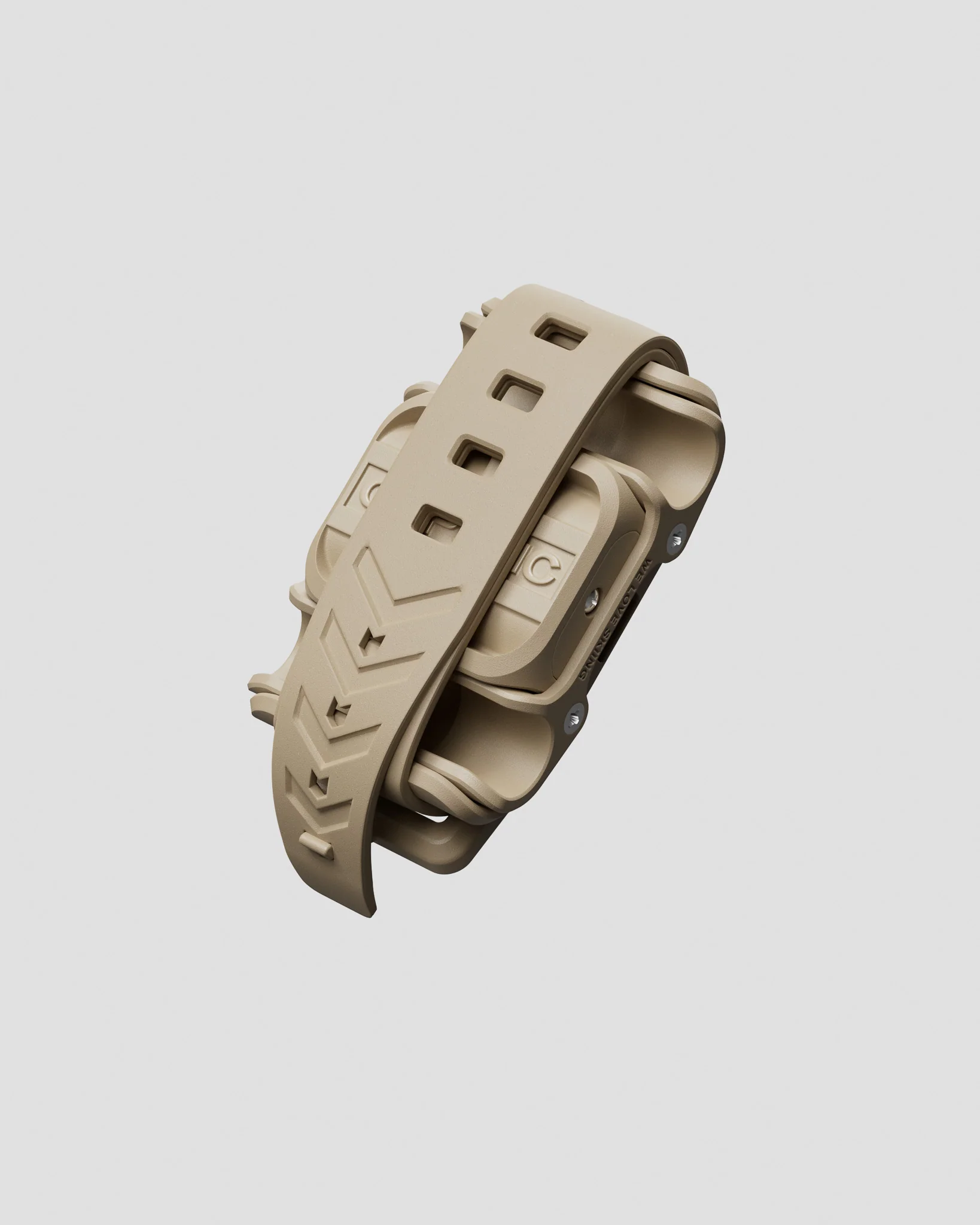
Missing a hand while carrying ski gear?
A friend of mine created Clipstic, the easy way to attach your poles to your skis! Using this link you get 10% off as well as support for Pick-a-ski!
Check it out!