Guide 12 review
Deep dive into the Plum Guide 12 tech binding: 5.5–12 release, 340 g, 30 mm adjustment, 3 risers, optional brakes. Honest pros/cons and comparisons for tourers.
Chassis
tech · alpine touringThe Plum Guide 12 is a tech (pin) touring/free‑touring binding built around simplicity, strength, and low weight. With adjustable lateral and forward release from 5.5–12, a 340 g per‑binding weight, and CNC‑machined 7075 aluminum, it’s a dependable tool for big days, steep skiing, and guiding.
Who it’s for
- Ski tourers and free‑tourers who value a robust, low‑maintenance pin binding.
- Riders who prefer a precise, direct feel over maximum elasticity.
- Skiers who want flexibility to run leashes or optional brakes.
Specs explained
- Type of binding: Tech (pin) touring/free‑touring. Optimizes uphill efficiency while maintaining direct downhill control.
- DIN/release value: 5.5–12. Sets resistance to release; suits medium to strong skiers and ambitious terrain when properly tuned.
- Elastic travel: Not specified. Typical of many pin bindings; delivers a crisp, direct ride but less damping than alpine/hybrid designs.
- Brake width: 85/95/105/115 mm (optional). Choose ~5–10 mm wider than your ski waist.
- Weight: 340 g per binding (680 g per pair). Light for long days yet clearly built to last.
- Length adjustment: 30 mm. Covers multiple boot sizes (~4–5 mondopoint steps).
- Heel risers: Flat / +59 mm / +79 mm. Three efficient climbing positions for varied slopes.
- Compatibility: Tech‑insert boots only. Not for ISO 5355 alpine soles; most modern touring boots with inserts work well.
- Materials: 7075 aluminum, hardened steel, POM plastic. A proven mix of stiffness, durability, and low mass.
On‑snow performance
- Ascents: The three risers and low swing weight keep long climbs efficient. The integrated crampon slot pairs smoothly with PLUM crampons (80–120 mm).
- Descents: The Guide 12 skis predictably and with authority. There’s less elastic travel than in, say, a Dynafit Rotation 12 or G3 Ion, yielding a very direct, precise feel—make sure release settings and technique are on point.
Features and usability
- TOO Facile toe aids step‑in; with basic pin‑binding technique, entry is quick even in cold conditions.
- Optional brake kit integrates cleanly; a leash option adds ~35 g if you want maximum weight savings without brakes.
- The 30 mm heel track preserves resale and boot‑swap flexibility.
Durability and serviceability
- CNC‑machined 7075 and steel inserts inspire confidence for seasons of use. Wear parts (like certain POM components) are straightforward to replace if needed.
Comparisons
- Dynafit Rotation 12: heavier with more elasticity and TÜV certification; smoother in chop, less “crisp,” and heavier on the skintrack.
- ATK Raider 12: similar weight with more fine‑tuning options (e.g., freeride spacer); often pricier.
- Marker Alpinist 12: lighter and very competitive value; more plastic, slightly less “bomber” feel.
- G3 Zed/Ion: very user‑friendly and predictable; Ion is heavier, Zed comparable, with a different ride character.
Potential drawbacks
- No published elastic‑travel numbers; less forgiving than some competitors.
- Optional brakes and leashes add weight and cost.
- Pin step‑in has a learning curve, especially in deep snow.
Key takeaways
- Robust and light: CNC aluminum, 340 g per binding.
- Release 5.5–12: broad coverage for tourers and free‑tourers.
- Simple, reliable design with practical 30 mm adjustment.
Frequently asked questions
Q: Which brake width should I choose?
A: Pick roughly 5–10 mm wider than your ski waist. For a 100 mm ski, the 105 mm brake is usually ideal—clearance without excess width.
Q: Is the Plum Guide 12 suitable for aggressive skiing?
A: Yes, within pin‑binding norms. The 5.5–12 release range covers many skiers, but expect less damping than alpine/hybrids. Proper setup and technique are key.
Q: What boots are compatible?
A: Boots with tech inserts only. Traditional ISO 5355 alpine soles won’t work; most modern touring boots (often ISO 9523) with inserts are compatible.
Questions & opinions
User reviews
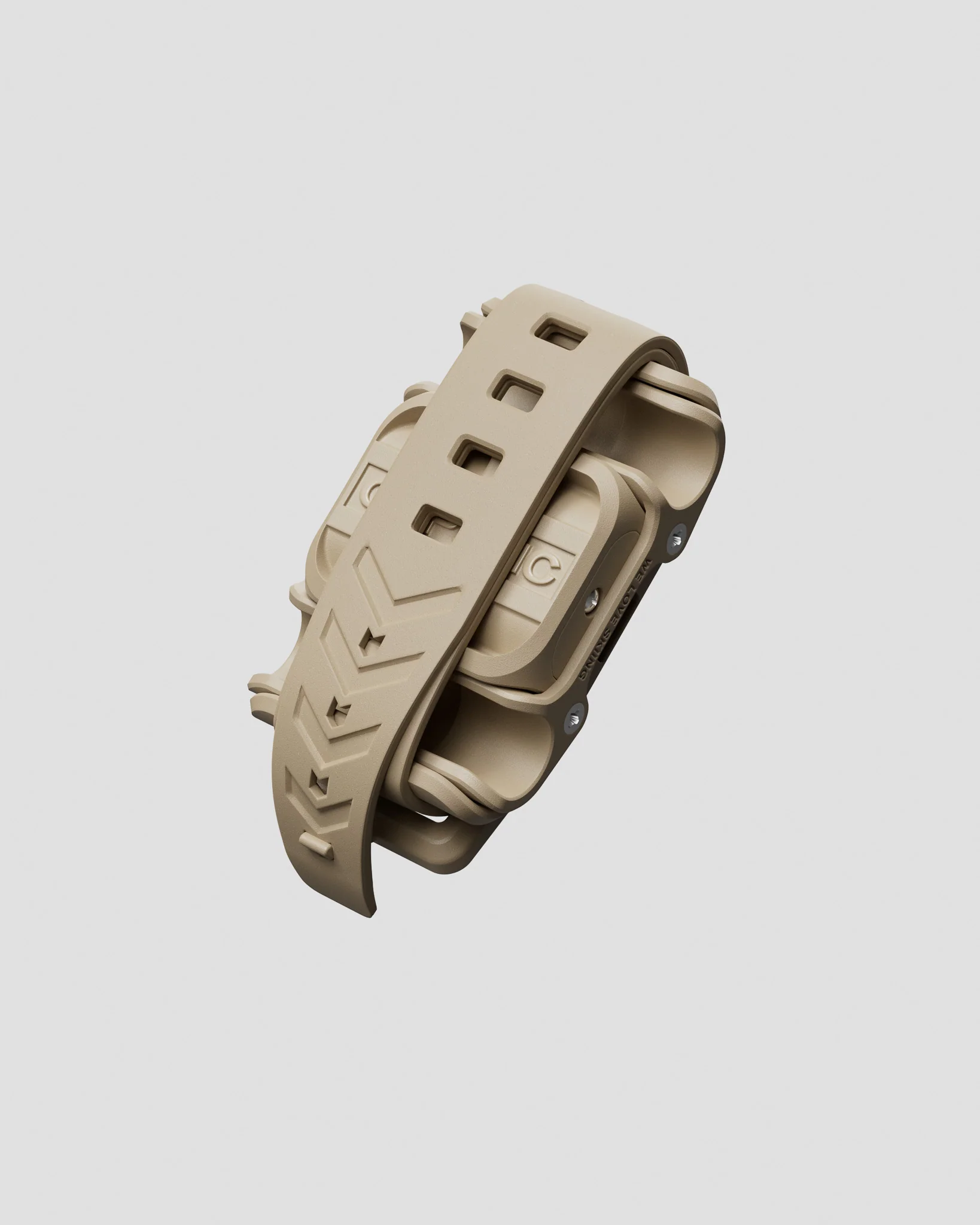
Missing a hand while carrying ski gear?
A friend of mine created Clipstic, the easy way to attach your poles to your skis! Using this link you get 10% off as well as support for Pick-a-ski!
Check it out!