Overview
The ON3P Jeffrey 112 (2026) blends playful freeride attitude with legitimate stability and class‑leading durability. Signature Rocker, Delta Taper, and a robust bamboo/glass/carbon layup create a ski that slashes, butters, and pivots with ease while staying calm when you open it up in chop and land real airs.
Who is it for?
- Advanced to expert skiers who want a playful 112‑mm platform that still charges.
- Riders mixing butters, slashes, and switch with drops and speed.
- Anyone prioritizing damping and durability over the lightest possible feel.
On‑snow performance
- Powder & trees: High tips, shorter contact length, and taper deliver excellent float and a loose, pivot‑happy feel. At 112 mm underfoot, it’s surfy yet maneuverable in tighter spaces.
- Chop & crud: The above‑average mass (e.g., ~2200 g per ski in 186) plus bamboo/VDS damping let the Jeffrey 112 smash through tracked snow without getting twitchy. It stays loose but planted.
- Groomers & firm: With a longer radius (25 m in 186), it prefers medium‑to‑long arcs. Edge hold is respectable when you commit to high edge angles, but the strong rocker and shorter effective edge make it no trench‑carver.
- Moguls & tight lines: Delta Taper helps the tail release cleanly. For its width it’s impressively maneuverable, though the weight rewards good timing and balance.
- Park & switch: The progressive shape/mount philosophy inspires confidence for switch takeoffs/landings. Swing weight is higher than on lighter park skis, but durability is a standout for rail wear.
Construction and what it means
- Signature Rocker (rocker/camber/rocker with shorter contact length, lower camber, higher tips): boosts float and smear‑ability, trades a bit of locked‑in grip.
- Widths (boxy tip/112/tapered tail by length): a lifting tip and quick‑releasing tail for easy pivots and slashes.
- Radius (~23–26 m): stability at speed and smooth transitions; not designed for ultra‑tight carved turns.
- Weight (~2.0–2.33 kg per ski): excellent damping and composure in cut‑up snow; higher swing weight and more fatigue than featherweight builds.
- Bamboo core + hybrid glass/carbon: lively yet stout; supportive on landings and at speed.
- Thick 1.8 mm base and 2.5×2.5 mm edges + VDS: standout durability and vibration control, with a weight penalty.
Pros and cons
Pros
- Rare blend of playful, surfy feel with real stability in chop.
- Bombproof construction (thick base/edges, VDS) resists season‑long abuse.
- Hook‑free tail release in variable snow; easy to pivot and smear.
Cons
- Heavier than many peers; not ideal for big touring days.
- Less locked‑in carving on ice; needs commitment to bite on very firm snow.
- Longer radius/strong rocker prefer speed for energetic turns.
Comparisons
- ON3P Jeffrey 108: quicker edge‑to‑edge and better on firm, but with less float and plow‑through composure in deep/chop.
- ON3P Jeffrey 118: surfier and more float in deep, but more specialized and less all‑round on mixed conditions.
- Atomic Bent 110: lighter and looser, but less damping/durability when charging through crud.
- Moment Wildcat 108/118: more directional with stronger tail finish and better hard‑snow bite; less smear‑y and playful.
- K2 Reckoner 112: softer and jibby, great in the park; lacks the Jeffrey’s stability and burly build at speed.
Sizing and mounting
- Length: size down (176/181) for trees/tight spaces or lower speeds; size up (186/191) for stability, airs, and higher speeds. Many advanced skiers of average build land on 186 cm.
- Mount: ON3P’s recommendation is progressive; stay on the line for freestyle balance. Move back 0.5–1 cm if you want a touch more tip drive.
Frequently asked questions
Q: Who should buy the ON3P Jeffrey 112 (2026)?
A: Advanced/experts who want a playful freeride ski with real stability. The Jeffrey 112 blends surfy powder performance with damping and long‑term durability.
Q: How does it handle groomers?
A: Respectably, especially in medium‑to‑long arcs with strong edge angles. Still, the pronounced rocker and shorter effective edge mean it won’t carve trenches on boilerplate.
Q: Is it a good touring option?
A: Not really. The weight and burly construction favor inbounds/resort pow and sidecountry laps over long climbs. Short hikes are fine.
Q: What bindings pair well?
A: A stout alpine or hybrid freeride binding that matches the ski’s damping and intended use—think reliable retention for airs and speed.
Key takeaways
- Surfy yet composed: playful feel with real crud‑calm.
- Built to last: thick base/edges and ample VDS damping.
- Not a carver or featherweight: favors flow, speed, and soft‑snow fun.
The neighbourhood
its nearest skis on the map, by character — not by brandQuestions & opinions
User reviews
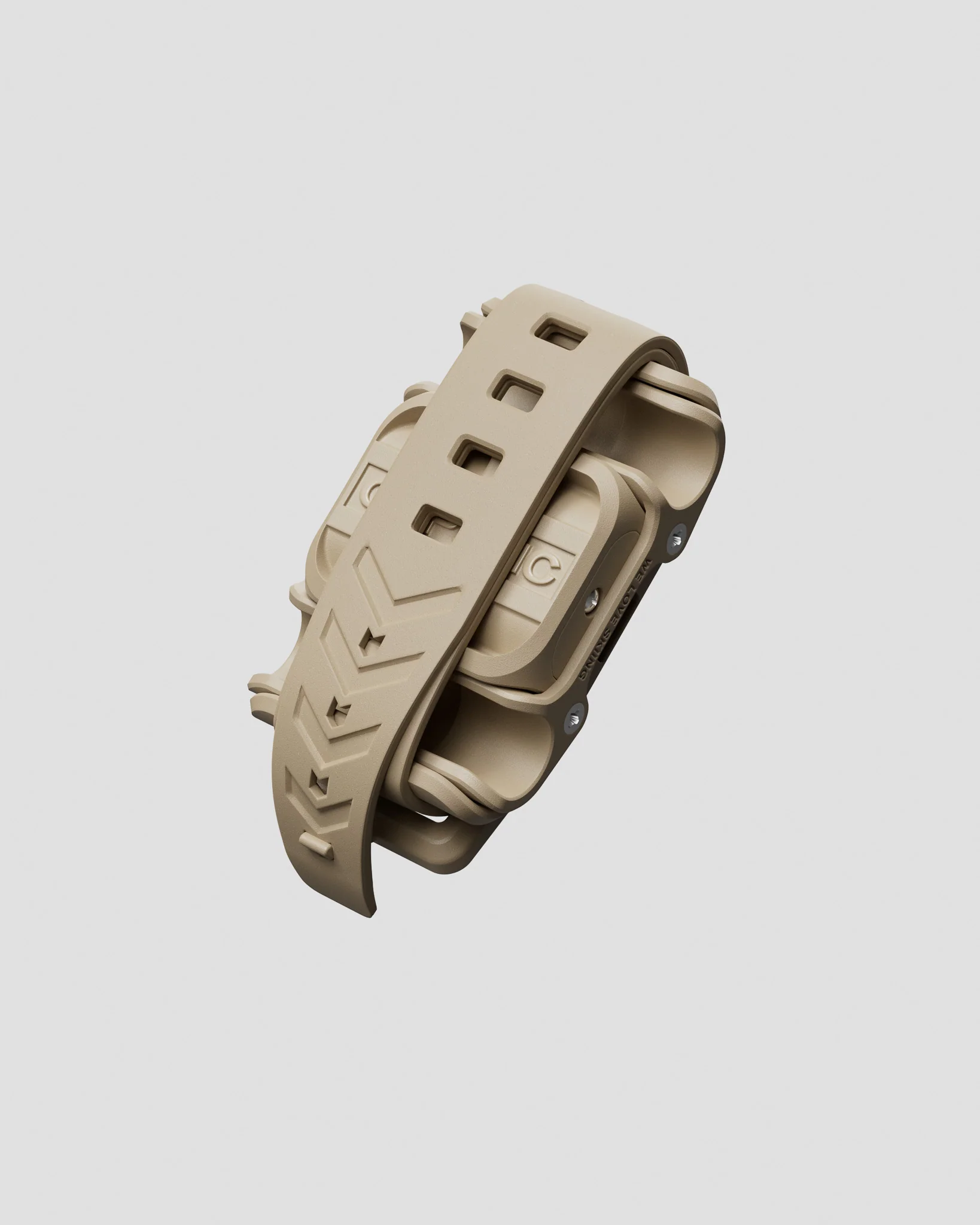
Missing a hand while carrying ski gear?
A friend of mine created Clipstic, the easy way to attach your poles to your skis! Using this link you get 10% off as well as support for Pick-a-ski!
Check it out!Not sure the Jeffrey 112 is your ski?
Answer a few quick questions and the ski selector matches you with the right skis from 800+ models — free, no sign-up.