Spitfire ti fdt review
In-depth review of the Spitfire TI FDT: a titanal on-piste carving ski with full camber and Race Plate. Ideal for advanced carvers seeking stability, precision and high-speed control.
Quick Summary
The Spitfire TI FDT is a focused on-piste carving ski aimed at experienced skiers who value precision, stability and direct feedback. Built to excel on groomers, it delivers crisp edge-to-edge transitions and confidence at speed thanks to a stiff, responsive platform. This is not a playful freeride tool — its talents are best expressed on hardpack and corduroy where quick turn initiation and unwavering edge hold matter most. If you prioritize carving performance and predictable behavior when leaning hard on the edges, this model will reward you.
Build and Plate
The ski’s Energy TI construction combines a performance wood core with a single titanal layer and robust sidewalls, producing a damped yet lively flex pattern. The FDT Race Plate improves power transmission from boot to ski and creates a smoother, more consistent flex underfoot, while tool-free length adjustment makes demoing simple. Together these elements give the ski weighty stability at speed and precise response during transition, appealing to skiers who want race-inspired control without a full race-only stiffness.
On‑Piste Character
On snow the full-camber profile and oversized SL-style tip translate into excellent edge grip and quick turn initiation. The multi-radius sidecut — short-radius SL tips blended with a GS-leaning midsection — lets you snap into short turns effortlessly while preserving stability for longer, faster arcs. The stiff character means superb performance on icy groomers and when charging, but it demands solid technique: skiers with inconsistent pressure control may find it less forgiving than softer carving skis.
Key Specs Explained
A quick rundown of the specs and what they mean: tip widths (116–121 mm) aid swift turn initiation and confidence at the entry; waist (70–71 mm) balances quick edge-to-edge action with carved stability; tail widths (96–101 mm) help hold and release the turn cleanly. Radius varies by length (11.3–16 m), so shorter skis favor quick, tight turns while longer lengths track better at speed. Full camber ensures maximum edge hold; Energy TI and added weight offer dampening and high-speed steadiness.
Who Should Buy / Alternatives
Who should consider this ski? Strong intermediates to advanced racers and carving specialists who want a stable, direct, and high-performance piste weapon should look closely. Recreational skiers seeking playful versatility or very light, forgiving skis will likely prefer alternative all-mountain or softer carving models. Comparable skis in spirit include race-influenced carving boards such as the Supershape-style and Redster-style offerings — the Spitfire TI FDT leans a bit more towards damped stability and race-like precision than towards freestyle or soft-snow versatility.
The neighbourhood
its nearest skis on the map, by character — not by brandQuestions & opinions
User reviews
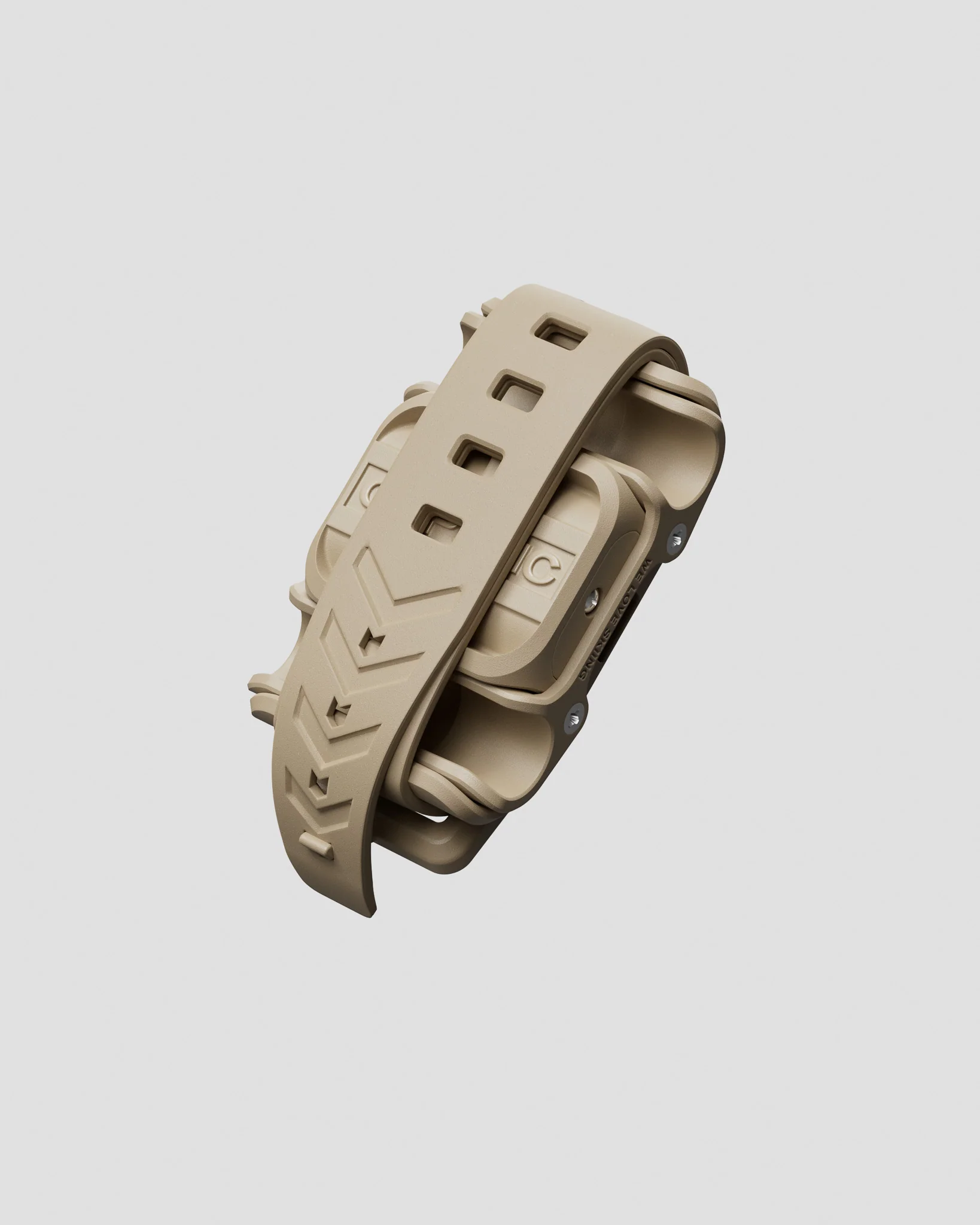
Missing a hand while carrying ski gear?
A friend of mine created Clipstic, the easy way to attach your poles to your skis! Using this link you get 10% off as well as support for Pick-a-ski!
Check it out!Not sure the Spitfire ti fdt is your ski?
Answer a few quick questions and the ski selector matches you with the right skis from 800+ models — free, no sign-up.