Dobermann sl wc plate review
Detailed review of the Dobermann SL WC Plate: FIS‑approved junior slalom ski. Construction, specs, on‑snow feel, pros/cons and sizing advice for racers.
Overview and target rider
The Dobermann SL WC Plate is an FIS‑approved slalom race ski designed for junior U14/U16 racers and anyone focused on short, precision turns on groomed, hard snow. With a full‑race finish and a 10 mm Marker Piston race plate, the ski prioritizes direct power transmission and razor‑sharp response. Factory preparation and a full‑camber profile underline its race intent: you get immediate edge feedback and control suited to aggressive line‑holding and quick rhythm changes. Expect a competition‑grade feel that rewards technique and commitment, not forgiveness.
Construction, plate and what it means
The construction centers on Energy 2 TI Worldcup technology: a performance wood core reinforced with metal layers and full sidewalls for torsional stiffness and reliable edge transmission. The 10 mm Marker Piston plate increases power transfer from boot to ski, producing a more instantaneous reaction. Factory bevels (base ≈0.6°; side ≈86° on some WC Plate listings) and full camber mean the skis come from the factory set up for sharp edge engagement. In short: wood + metal = stability and feedback; sidewalls = precise edges; plate = quicker response; bevels = aggression and bite.
Dimensions, weight and what the numbers do
Specs and dimensions are a mix of manufacturer R&D notes and retailer reports, so numbers vary. Retailers list roughly 129‑69‑109 mm (tip/waist/tail) for the 165 cm WC Plate with about a 13 m turn radius; the 151 cm Race Plate variant is 112.5‑65‑97.5 mm with ≥12 m radius. Weight is approximately 3.30 kg/pair for 156 cm and 3.68 kg/pair for 165 cm. Practically, a narrow waist and short radius help rapid, short turns; heavier skis feel more stable at speed while lighter skis accelerate more quickly.
On‑snow feel and handling
On snow the ski behaves like a short‑turn race tool: extremely direct edge grip on prepared pistes and strong feedback through the plate. The full camber and metal laminates make the ski bite into the turn, offering confidence at race pressures. For junior racers it provides a great learning platform, but it’s less forgiving on mistakes or variable, soft snow. Technique and commitment are required: less experienced skiers will notice how demanding the high responsiveness and stiffness can be over a training day.
Pros, cons and buying advice
Strengths include clear power transfer, race‑ready setup from the factory, and outstanding edge hold; weaknesses are limited versatility and a steep learning curve. Compared to other junior slalom options, this model usually offers more direct feedback than lighter club‑race skis but is heavier than some pure training models. Recommendation: choose this ski if you’re a committed junior racer chasing quick, precise slalom performance on hard snow. If you race infrequently or need more forgiveness, consider a softer or more versatile alternative.
The neighbourhood
its nearest skis on the map, by character — not by brandQuestions & opinions
User reviews
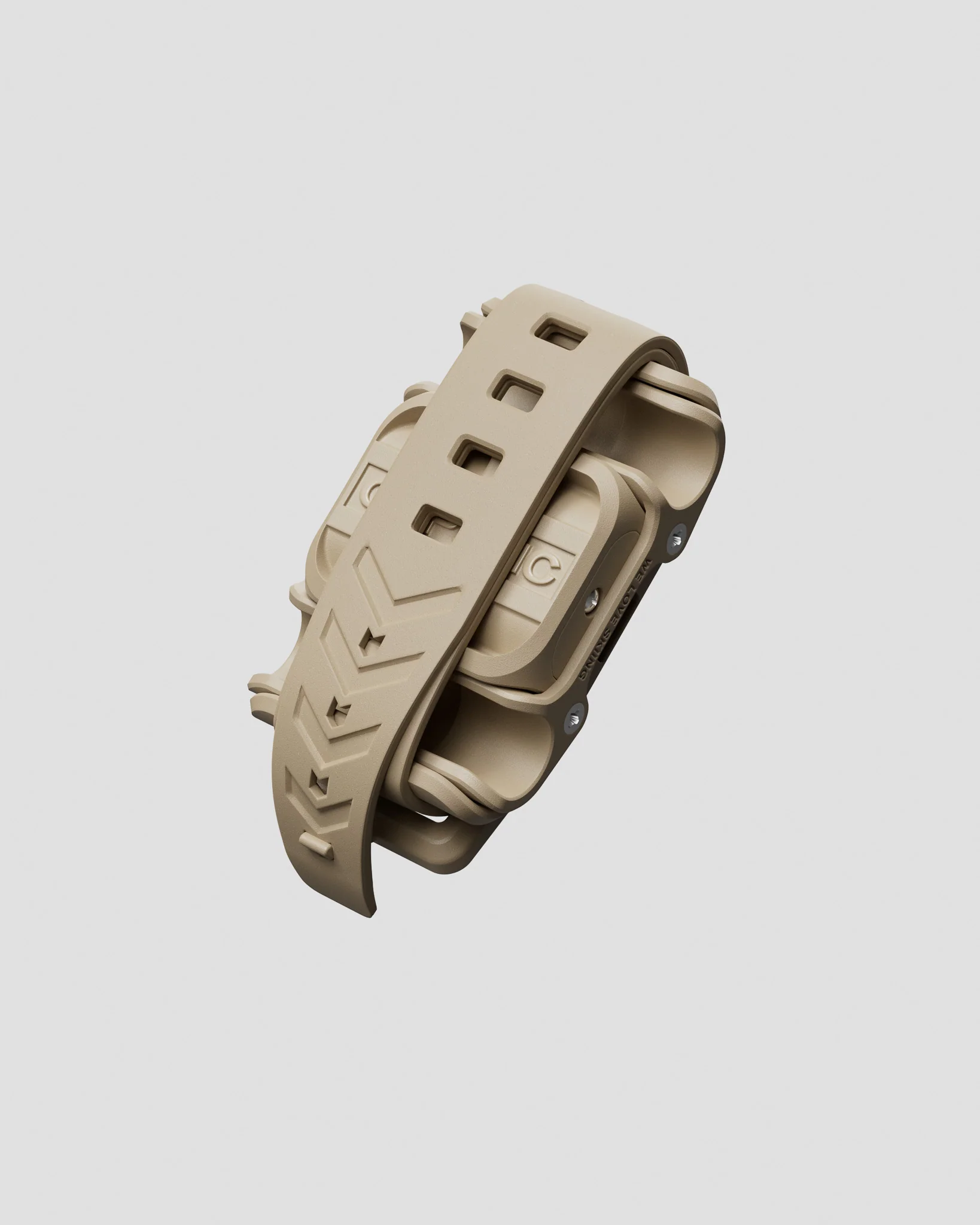
Missing a hand while carrying ski gear?
A friend of mine created Clipstic, the easy way to attach your poles to your skis! Using this link you get 10% off as well as support for Pick-a-ski!
Check it out!Not sure the Dobermann sl wc plate is your ski?
Answer a few quick questions and the ski selector matches you with the right skis from 800+ models — free, no sign-up.