Dobermann slj plate review
Detailed review of the Dobermann SLJ Plate junior slalom ski. Construction, specs, on-snow feel and binding recommendations for developing racers seeking race-ready performance.
Overview
The Dobermann SLJ Plate is a junior slalom race ski built for young racers who spend time on hardpacked, groomed courses. Offered in lengths from 121 to 149 cm and featuring a full-camber profile, it prioritizes precision, immediate edge response and race-ready feel straight out of the factory. This is not a recreational piste ski but a performance tool for technique development and gate training. Coaches and parents will appreciate the purposeful design and how it translates training input into measurable improvements on timed runs.
Construction and Specs Explained
At the heart of the ski sits the Energy 2 TI construction: a performance wood core with full-length titanal sheets and full sidewall construction, delivering torsional rigidity and direct power transmission to the edges. Tip-waist-tail dimensions change by size (for example 112.5–65–89 mm at 149 cm); a narrow waist (63–65 mm) produces quick edge-to-edge changes and snappy turn initiation. Radius increases with length (≥9–11 m), defining expected turn sizes. Weight per ski ranges roughly from 0.90 kg to 1.27 kg, affecting maneuverability and high-speed stability.
On-Snow Behavior
On snow the ski feels precise and communicative: full camber gives consistent pressure distribution and strong edge bite on ice and hardpack. The titanal layers stabilize the ski at speed and reward aggressive edging with confident rebound out of the turn. That said, the ski requires active technique and commitment — younger or less powerful skiers may find it demanding and unforgiving. For developing racers it shines in short to medium slalom turns where quick transitions and direct steering are key to fast lap times.
Who It's For and Sizing
The intended rider is a developing junior racer following structured training and using race-style plates and bindings to maximize power transfer. The smaller lengths employ a two-piece plate to preserve an appropriate flex profile for lighter skiers, which helps maintain proper feel and balance. Length choice should be based on skill and race goals: shorter for faster, more reactive turning, longer for added stability at speed. Always verify binding compatibility and respect the factory bevels when mounting the recommended bindings.
Pros, Cons and Comparisons
Strengths include precise edge hold, race-oriented stability and a metal-reinforced build that supports progression toward higher speeds. Drawbacks are the ski’s demanding flex and relative weight, which make it less forgiving for casual or less technical juniors. Compared to other junior race slalom skis it stands out for full titanal sandwich construction and factory race finish. If your child is committed to racing and technical development this ski is a strong option; for mixed family use or beginner progression, a softer junior model may be more suitable.
The neighbourhood
its nearest skis on the map, by character — not by brandQuestions & opinions
User reviews
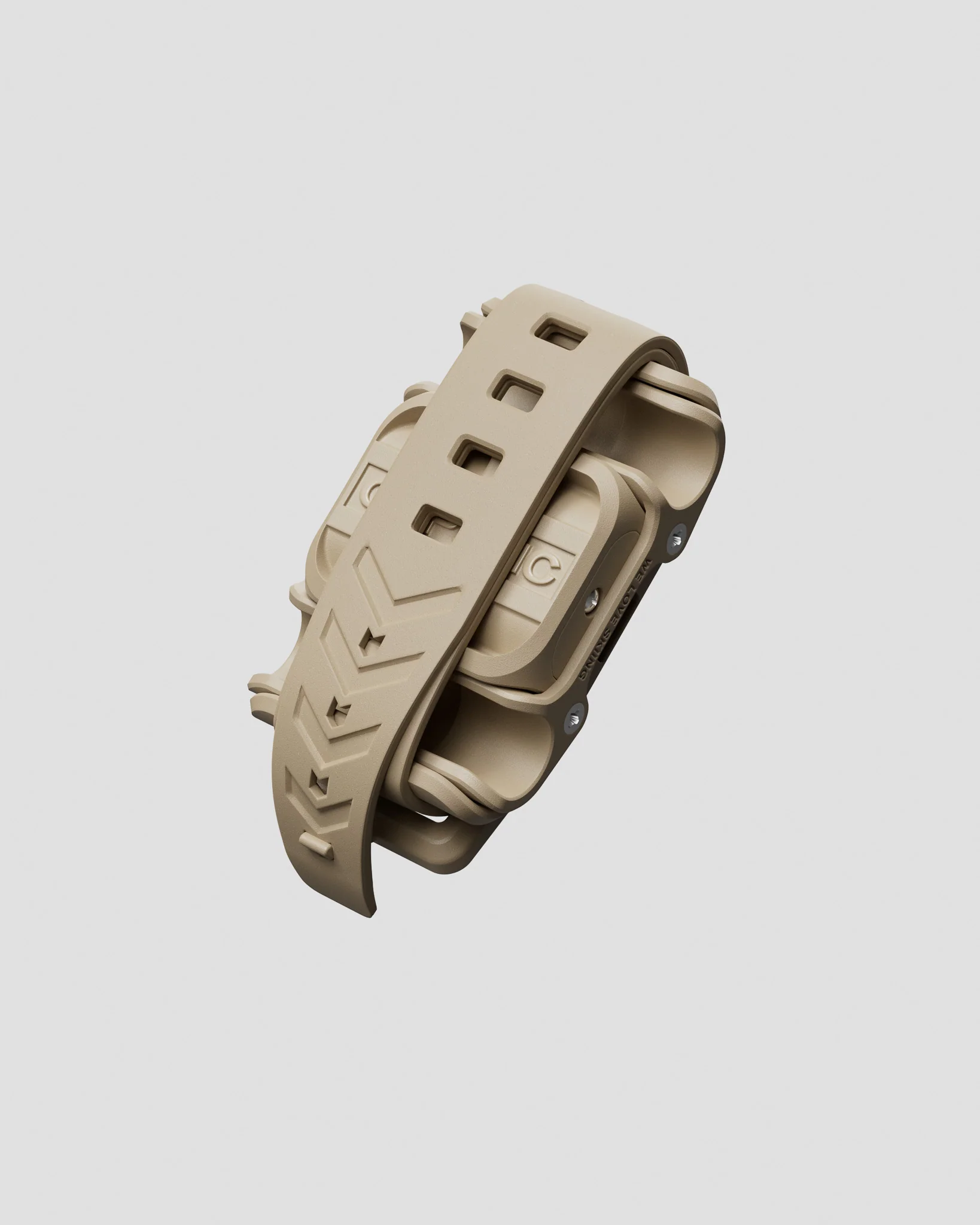
Missing a hand while carrying ski gear?
A friend of mine created Clipstic, the easy way to attach your poles to your skis! Using this link you get 10% off as well as support for Pick-a-ski!
Check it out!Not sure the Dobermann slj plate is your ski?
Answer a few quick questions and the ski selector matches you with the right skis from 800+ models — free, no sign-up.