
By Noah Carter
Nordica Dobermann combi pro s (jr 7.0 fdt)
Overview and target skier
This ski is aimed at young racers who want a single ski that bridges slalom and giant slalom use. It targets U8–U14 athletes looking for predictable handling and confidence at higher speeds. The design emphasizes a progressive, size‑appropriate flex so shorter lengths are easy to pivot while longer lengths offer more stability. For parents and coaches this model provides a clear development path: from technique drills to club racing without immediately needing multiple specialized skis. It’s a focused tool for juniors who are committed to improving.
Construction and on-snow feel
The build uses a World Cup‑style sandwich construction with a Lite Performance wood core and sidewall, delivering solid edge hold and direct response. Full camber (no rocker) produces a tight, communicative feel on groomed snow and efficient pressure transfer to the edges. The factory FDT race plate with JR 7.0 bindings gives a direct connection between boot and ski, improving power transmission. Overall it offers a mature, stable platform without unnecessary mass, which helps juniors push harder with confidence during gates and faster groomer runs.
Specs explained
Key specs to know are tip, waist and tail widths, turn radius and weight. The 69–71 mm waist means quick edge‑to‑edge transitions and a piste‑focused personality, favoring short, precise turns over flotation. Radius ranges from 7 m (100 cm) to 14.5 m (162 cm): smaller lengths deliver snappy short turns while longer lengths generate smoother, faster arcs. Full camber helps with grip and rebound on hardpack. Weight (about 1300 g per pair) affects how easy the ski is to handle and maneuver for smaller skiers.
Sizing, turn radius and handling
Lengths are progressive so you can size to skier ability: shorter for learning and agility, longer for speed and stability. The sidewall sandwich construction stabilizes the ski on edge and reduces chatter at speed on firm snow. The FDT junior plates (various lengths) refine leverage and edge control. When choosing length consider skier height, weight and ambition—pick shorter if the focus is skills and fun, go longer if competing in gates where stability and longer turn radii are advantages.
Strengths, drawbacks and comparison
Strengths include edge grip, stability and race‑oriented construction that builds confidence in training and competition. Potential drawbacks are limited versatility in soft snow due to the narrow waist and full camber; kids who want playful off‑piste days may find it restrictive. Compared with other junior race skis it feels more grown‑up than beginner junior models, but there are more forgiving all‑mountain junior skis for recreational use. For club racers and committed juniors this is a very strong single‑ski quiver.
Loading images...
Community Opinions
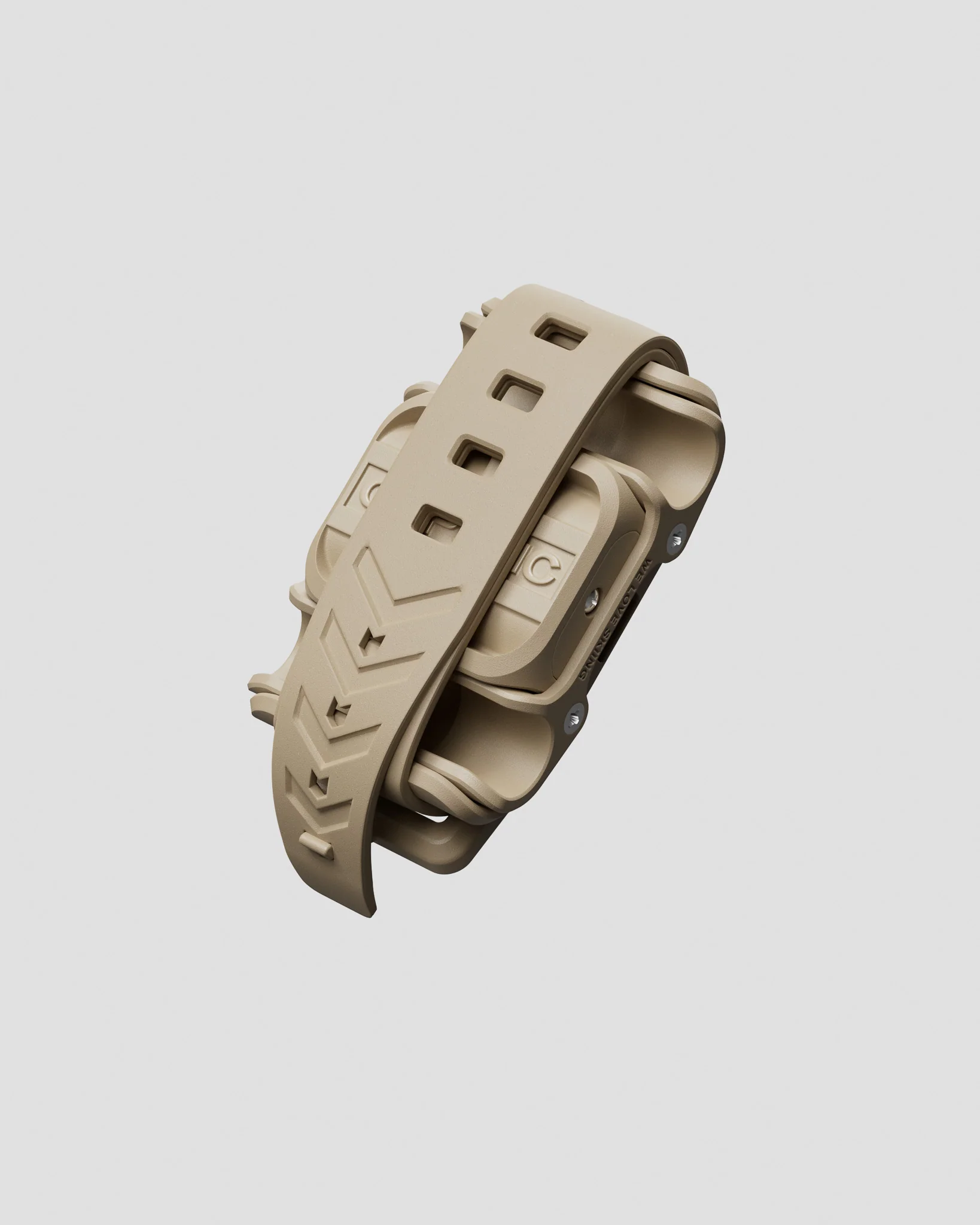
Missing a hand while carrying ski gear?
A friend of mine created Clipstic, the easy way to attach your poles to your skis! Using this link you get 10% off as well as support for Pick-a-ski!
Check it out!