Jester 16 review
In‑depth Marker Jester 16 review: DIN 6–16, magnesium build, Sole.ID multi‑norm, brake sizes 90–120 mm. Pros/cons, tips, and comparisons to Griffon.
Chassis
alpineThe Marker Jester 16 is a high‑performance alpine binding from the Royal Family built for aggressive freeride and freestyle skiing. With a 6–16 DIN range, magnesium hardware, and Sole.ID multi‑norm compatibility, it delivers confidence at speed, security on big hits, and predictable release in variable snow.
Who is it for?
- Advanced to expert skiers charging hard, jumping, or skiing steep lines.
- Riders who need or want headroom above DIN 12.
- Skis ~76 mm and wider; brake options from 90–120 mm.
On‑snow performance
The Triple Pivot Elite 3 toe and Inter Pivot 3 heel feel powerful and planted. Retention is stout without being harsh, and step‑in is positive even in cold, choppy conditions. Marker doesn’t publish exact elastic travel in mm, but the Jester 16 absorbs impacts well and resists pre‑release while still letting go when it should—key for confidence on big terrain and heavy park sessions.
Features and tech
- Triple Pivot Elite 3 toe: high clamping power and improved energy absorption.
- Inter Pivot 3 freeride heel: consistent retention for landings and high‑speed chatter.
- Sole.ID / Multinorm AFD: height‑adjustable gliding plate for Alpine (ISO 5355), GripWalk (ISO 23223), and many AT (ISO 9523) soles.
- Anti‑Ice Rail: scrape ice/snow from boot soles.
- Low stand height (~24 mm) and Power Width base for direct edge control.
Specs explained
- Type of binding — Alpine (Freeride/Freestyle): designed for downhill performance; not for uphill touring.
- DIN 6–16: broad adjustment for stronger/heavier skiers or aggressive styles. Always have DIN set by a certified tech.
- Elastic travel — not specified: described as “long”; helps absorb shocks and reduce unwanted release, but no public mm figures.
- Brake widths — 90/100/110/120 mm: match your ski waist or go up to ~15 mm wider.
- Weight — ~1070 g per binding: not ultralight, but appropriate for the binding’s power and durability.
- Compatibility — ISO 5355, ISO 9523, ISO 23223 (GripWalk): multi‑norm via adjustable AFD; ensure proper setup.
- Materials — magnesium, stainless‑steel AFD, composite: high stiffness and longevity with reasonable mass.
Comparisons
- Marker Griffon 13 ID: lighter and cheaper with 4–13 DIN; ideal for lighter or less aggressive skiers. The Jester 16 adds headroom and a stiffer, more metallic feel.
- Look Pivot 15 GW: excellent elasticity and low stack; more compact heel feel. Jester is easier to step into and offers multi‑norm Sole.ID.
- Salomon STH2 16: similar target and DIN; renowned toe elasticity. Jester stands out for adjustable AFD and magnesium components.
- Tyrolia Attack 17 GW: slightly lighter and very low stack. Jester feels the most “bomber” with wide parts availability.
Potential drawbacks
- Heavier than Griffon/Attack alternatives; not for weight weenies.
- DIN 16 is overkill for many skiers; incorrect high settings are unsafe—always professional setup.
- No published mm numbers for elastic travel; data‑driven buyers may want figures.
- Not for touring: no walk mode or pin interface.
Key takeaways
- Power transmission: magnesium/metal parts give precise, direct edge control.
- Broad compatibility: Sole.ID covers Alpine, GripWalk, and many AT soles.
- Built to take hits: stays composed on hard landings and at speed.
Frequently asked questions
Q: What brake width should I choose?
A: Match your ski waist or go up to ~15 mm wider. Example: 102 mm waist → 110 mm brake.
Q: Jester 16 vs Griffon 13?
A: If you’re lighter, ski mellower, or set DIN ≤ ~10–11, the Griffon is lighter and better value. Choose the Jester 16 for aggressive skiing, higher DIN, or extra margin.
Q: Is it compatible with GripWalk and AT soles?
A: Yes. The Sole.ID AFD adjusts for Alpine, GripWalk, and many AT soles. Have a tech verify compatibility and AFD height.
Q: When should I pick a Jester 18?
A: Only if you truly need DIN above ~14 or ski extremely hard. The 18 is heavier/stiffer; the 16 suits most experts.
Questions & opinions
User reviews
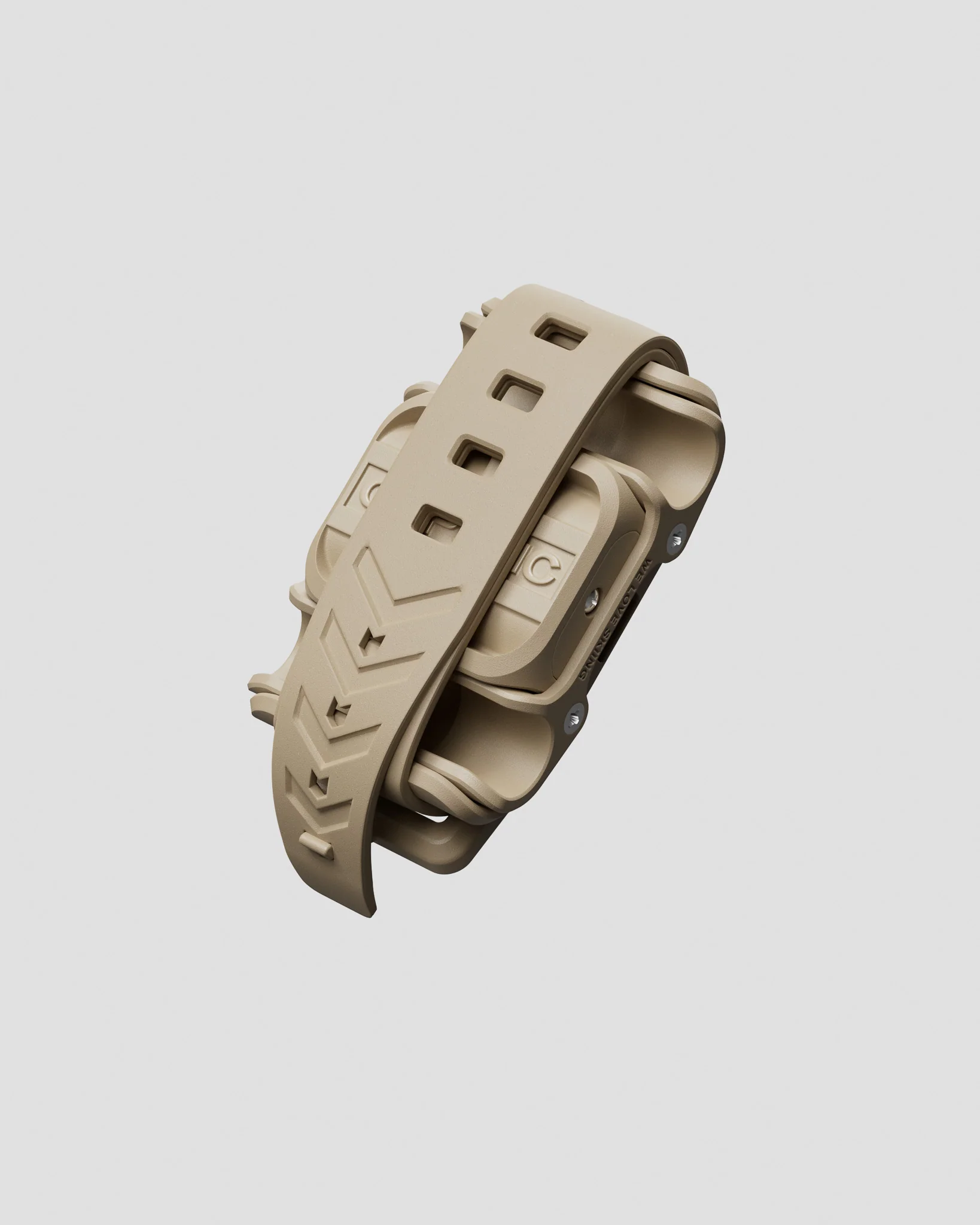
Missing a hand while carrying ski gear?
A friend of mine created Clipstic, the easy way to attach your poles to your skis! Using this link you get 10% off as well as support for Pick-a-ski!
Check it out!