Griffon 13 review
Marker Griffon 13 review: performance, durability, DIN 4–13, elastic travel, SOLE.ID boot compatibility, key pros and cons, plus top alternatives to consider.
Chassis
alpineA long‑time benchmark for resort all‑mountain/freeride skiers, the Marker Griffon 13 blends reliable retention, smooth release, and multi‑norm boot compatibility. With SOLE.ID, a stout Inter Pivot 3 heel, and a high‑energy‑absorbing Triple Pivot Elite toe, it delivers confident power transfer from groomers to chop and park laps.
On‑snow performance
The Griffon 13 feels precise and planted. Generous toe elasticity and a stable heel reduce unwanted pre‑release when you’re charging through variable snow, landing drops, or carving hard. Centralized swing weight keeps spins and quick edge changes lively, while the magnesium‑reinforced heel bracket supports strong skiing at speed.
Features and build quality
- SOLE.ID height‑adjustable gliding plate: quick setup across Alpine/GripWalk/AT soles.
- Stainless‑steel, movable AFD: consistent, low‑friction release with modern boot soles.
- Anti‑Ice Rail: scrape off packed snow for easier step‑in.
- Reinforced screws and durable chassis: built for seasons of freeride abuse.
How it compares
- Look Pivot 14: more elastic travel and legendary heel retention, but heavier and trickier step‑in; the Griffon is more user‑friendly and versatile.
- Salomon STH2 13: similar target skier; STH2 feels plush and damp, Griffon is a touch more direct with broad multi‑norm compatibility.
- Tyrolia Attack 14: lighter with super easy step‑in; Griffon feels slightly stiffer torsionally and more hard‑charging.
- Marker Squire 11/Jester 16: Squire is lighter with lower DIN (lighter/intermediate skiers); Jester is heavier with higher DIN (aggressive experts). Griffon sits squarely in the middle.
Potential drawbacks
- DIN tops at 13: powerful chargers needing higher settings should look to Jester or Pivot 15/18.
- Not a touring binding: accepts AT soles for convenience, but no pin/tech uphill capability.
- Step‑in in deep snow is good, though some find the Attack 14 a bit easier.
- Not ultralight for big human‑powered days.
Key takeaways
- Trustworthy all‑mountain workhorse with predictable release and strong power transfer.
- Wide boot compatibility (Alpine, GripWalk, ISO 9523) via SOLE.ID.
- Durable materials (magnesium, stainless AFD) handle hard use.
- Not ideal for DIN >13 skiers or dedicated tourers.
Specs explained
- Type of binding: Alpine. Resort/all‑mountain performance; not a pin touring system.
- DIN / release value: 4–13. Suits many intermediate‑to‑expert skiers; correct DIN balances retention and safe release.
- Elastic travel: Toe 52 mm / Heel 16 mm. Extra elasticity absorbs shocks and helps prevent pre‑release on rough terrain.
- Brake width: 90 / 100 / 110 / 120 mm. Match brake to ski waist (or up to ~15 mm wider) for proper fit.
- Weight: ~1030 g per pair. Respectably light for the category, keeping swing weight reasonable.
- Compatibility: ISO 5355, ISO 23223 (GripWalk), ISO 9523. Multi‑norm means you can swap boot soles without changing bindings.
- Materials: magnesium heel bracket, stainless‑steel AFD, robust composite chassis for durability and power.
Frequently asked questions
Q: Which brake width should I choose?
A: Aim for a brake close to your ski waist or up to ~15 mm wider. For a 98 mm ski, 100 mm is perfect; 110 mm works but sticks out further.
Q: Does the Griffon 13 work with GripWalk?
A: Yes. SOLE.ID and the movable stainless AFD ensure proper height and friction for Alpine and GripWalk soles, maintaining consistent release.
Q: Is it good for park/freestyle?
A: Definitely. Centralized swing weight, solid build, and predictable release make it a favorite for park laps and all‑mountain freestyle.
Q: Who shouldn’t buy it?
A: Very aggressive skiers who need DIN settings above 13 or anyone seeking real uphill efficiency. Consider a Marker Jester/Look Pivot 15/18 or a pin/tech binding.
Questions & opinions
User reviews
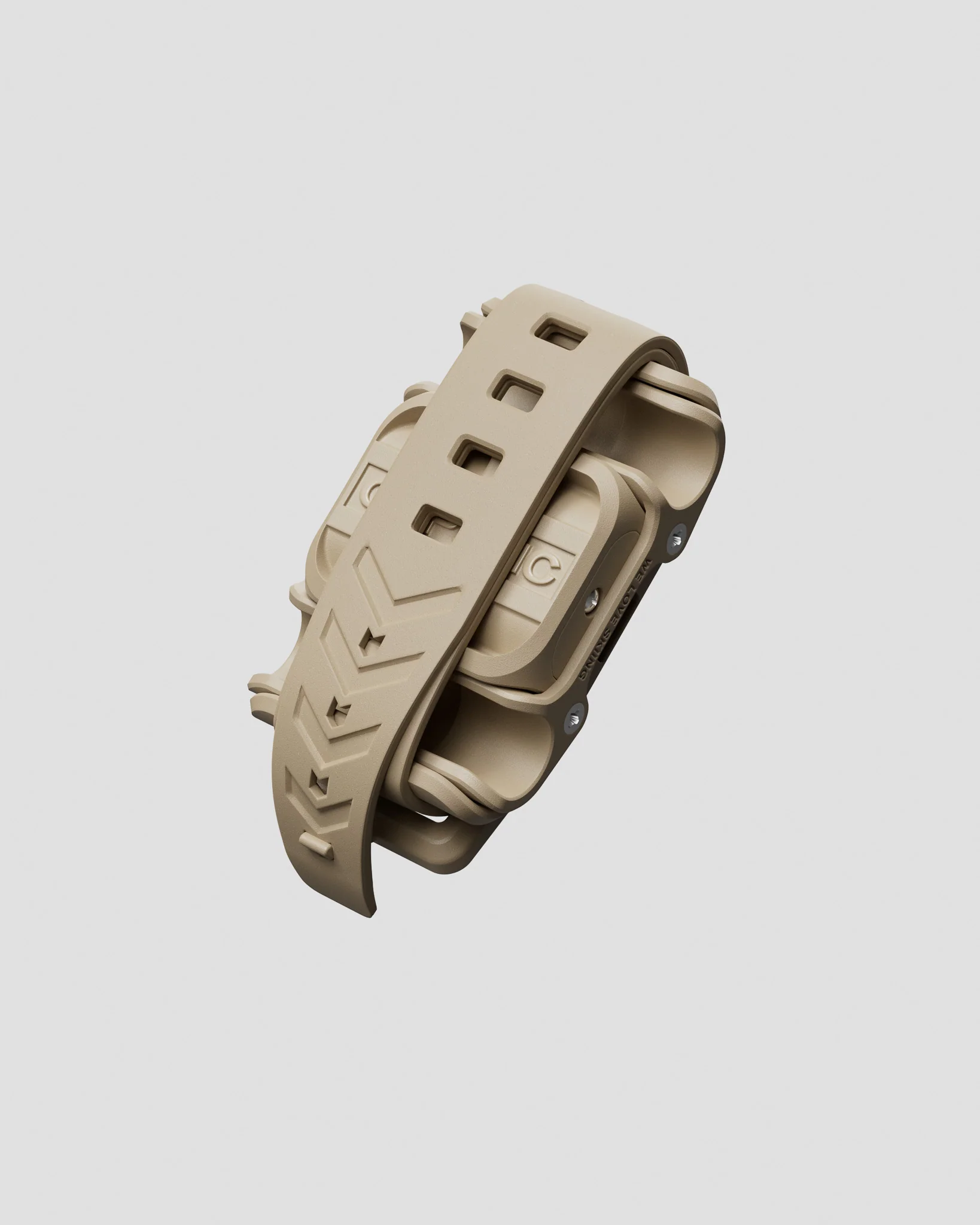
Missing a hand while carrying ski gear?
A friend of mine created Clipstic, the easy way to attach your poles to your skis! Using this link you get 10% off as well as support for Pick-a-ski!
Check it out!