F10 tour review
Objective review of the Marker F10 Tour frame touring binding: who it suits, uphill/downhill performance, DIN 3–10, weight, brake widths, pros and cons.
Chassis
frame · alpine touringOverview
The Marker F10 Tour is a lightweight frame touring binding built for easy use, multi-norm boot compatibility (Sole.ID), and an alpine-like feel on the descent. With a 3–10 DIN range and climbing aids at 0°, 7°, and 13°, it targets newer tourers, lighter skiers, and anyone who wants touring capability without jumping to a full tech/pin setup.
Who is it for?
- Lighter to medium-weight skiers who fall within DIN 3–10.
- Riders doing sidecountry laps, fitness tours, or shorter day tours who still want confident downhill performance.
- Skiers who value broad boot compatibility (Alpine/GripWalk/Touring) in one binding.
It’s not the best choice for heavy, highly aggressive skiers or those who demand a higher DIN and maximum elasticity; consider the Marker F12 Tour (higher DIN), Baron, or hybrid options like Shift for that use case.
Uphill performance
As a frame binding, the F10 lifts your boot and binding together each step—less efficient than pure tech, but intuitive and stable. The 0°/7°/13° risers engage easily and make steeper skin tracks more comfortable. At roughly 1.94 kg per pair, it’s light for a frame design, but still heavier than pin-tech; for short to medium tours the trade-off is reasonable.
Downhill and release
Marker’s Triple Pivot Light toe and Hollow Linkage heel deliver a predictable, alpine-like ride with solid power transfer on mid-width skis. The 3–10 DIN suits recreational to sporty skiers; heavier or harder chargers may prefer the F12 Tour (4–12) or burlier alternatives. Marker doesn’t publish toe/heel elastic travel in mm, but real-world damping and retention are adequate when correctly set up.
Features and usability
- Sole.ID height-adjustable AFD accepts Alpine (ISO 5355), GripWalk (ISO 23223), and Touring (ISO 9523) soles.
- Multiple brake widths (commonly 85/90, 100, 110, up to 132 mm depending on market).
- Heel adjustment range of ~60 mm allows boot swaps and easier mounting tolerances.
- Transitions are straightforward; step-in feels like an alpine binding and is reliable in cold, snowy conditions.
Durability and materials
A gas-injected, fiber-reinforced hollow base with aluminum in the heel keeps weight in check while preserving torsional stiffness. For regular touring and moderate descents, durability is solid; repeated big drops and resort hammering are better served by a stiffer, higher-DIN platform.
Comparisons
- Marker F12 Tour (EPF): slightly heavier, higher DIN (4–12), and EPF variants offer a wider mounting platform for very wide skis.
- Tyrolia Adrenalin 11/13: heavier but burlier with higher DIN—great for resort use plus occasional tours.
- Salomon/Atomic Shift: hybrid; skis very alpine, lighter than many frames, requires tech inserts, pricier.
- Pure tech (Dynafit Radical, Marker Alpinist): far lighter and more efficient on the up, less alpine step-in/feel.
Specs explained
- Type of binding: Frame Touring (Alpine Touring) – alpine feel and easy step-in; heavier than tech.
- DIN/release: 3–10 – the release range; best for lighter to medium-weight skiers.
- Elastic travel: Not specified – Marker doesn’t list mm; damping comes from toe/heel designs.
- Brake width: 85–132 mm options – pick ~10–15 mm wider than your ski’s waist.
- Weight: 1938 g (S) / 1998 g (L) per pair – impacts climbing efficiency and agility.
- Compatibility: ISO 5355/9523/23223 – works with Alpine, Touring, and GripWalk soles (Sole.ID).
- Materials: Aluminum, fiber-reinforced plastic – balances stiffness and weight.
Key takeaways
- One of the lighter frame touring options with a true alpine ride.
- Excellent boot compatibility and practical risers for real-world touring.
- Ideal for first tours, sidecountry, and lighter skiers.
- Not built for hard-charging, high-DIN needs.
Frequently asked questions
Q: What brake width should I choose? A: As a rule, go 10–15 mm wider than your ski’s waist. For a 95 mm ski, a 100–110 mm brake is ideal; 85–90 mm would be too narrow.
Q: Will it work with GripWalk boots? A: Yes. Sole.ID accepts Alpine (ISO 5355), GripWalk (ISO 23223), and Touring (ISO 9523) soles with its height-adjustable AFD.
Q: F10 or F12 Tour? A: If you’re heavier/aggressive or want more headroom, pick the F12 (DIN 4–12, slightly heavier). For lighter riders or weight savings, the F10 is spot on.
Q: Is elastic travel published? A: No. Marker doesn’t publish mm elastic travel for the F10 Tour. The binding’s toe/heel designs provide functional elasticity; get a professional DIN setup.
Questions & opinions
User reviews
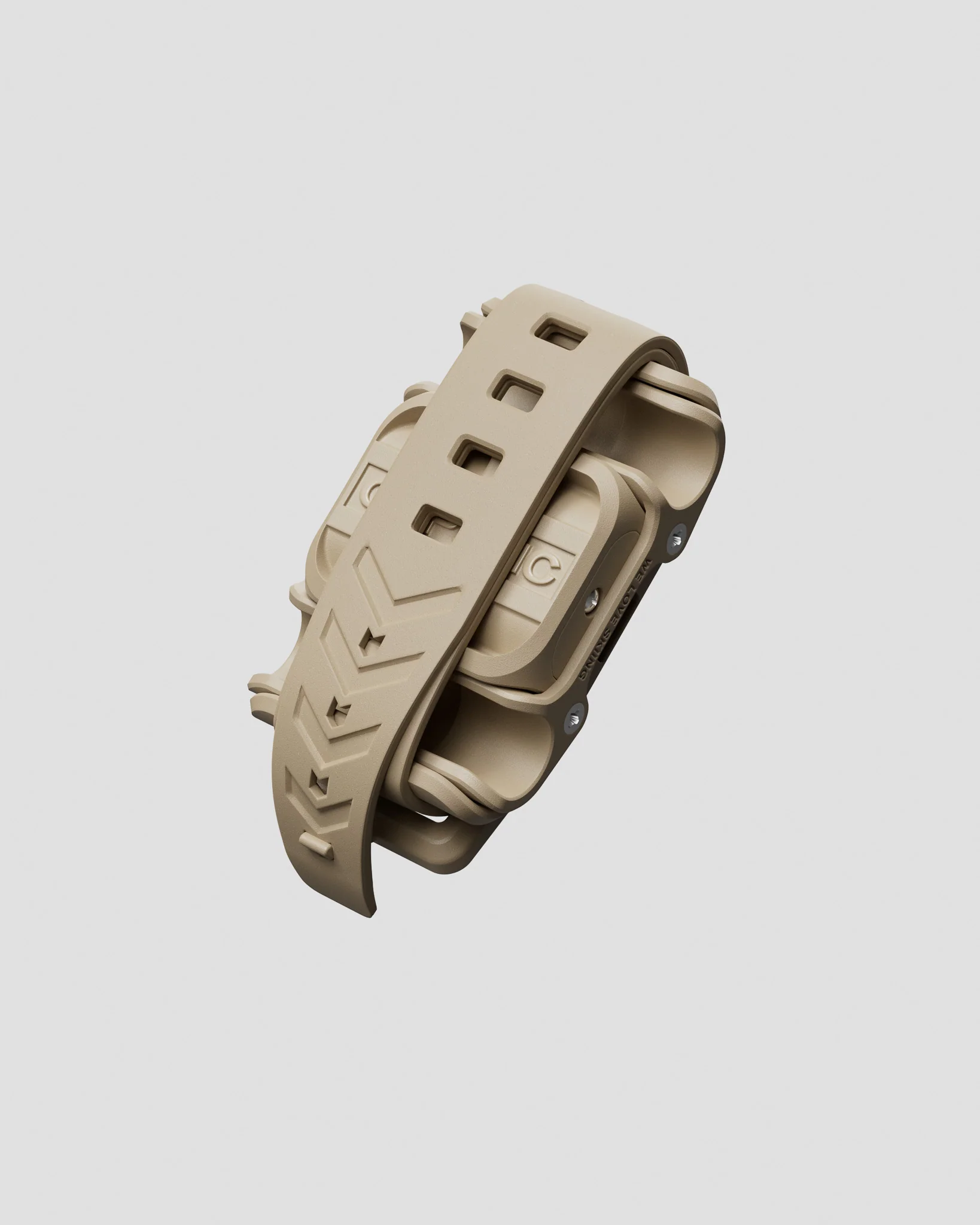
Missing a hand while carrying ski gear?
A friend of mine created Clipstic, the easy way to attach your poles to your skis! Using this link you get 10% off as well as support for Pick-a-ski!
Check it out!