Pivot 18 review
In-depth Look Pivot 18 review: DIN 8–18, huge elastic travel, turntable heel, GripWalk, weight and brake widths, clear pros/cons, plus rivals like Jester 18 Pro.
Chassis
alpineThe Look Pivot 18 remains a benchmark for hard‑charging alpine skiers who prioritize retention, shock absorption, and precise ski feel. Its iconic turntable heel and exceptionally long elastic travel keep you centered through impacts and variable snow, delivering that unmistakable “locked‑in” confidence—at the cost of some weight and a fussier step‑in.
Key takeaways
- Best‑in‑class elasticity: long toe/heel travel reduces unwanted pre‑releases.
- Turntable heel: standout shock absorption and natural ski flex.
- GripWalk‑compatible: works with ISO 23223 (GripWalk) and ISO 5355 alpine soles.
- Heavy and not the easiest step‑in: maximum performance with some practicality trade‑offs.
On‑snow performance
- Damping and retention: With ~45 mm of lateral toe elasticity and ~28 mm of vertical heel travel, the Pivot soaks up hits and stays engaged on rough snow and big landings.
- Power transfer: The short mounting zone and seven points of contact (“Rolling Control”) give direct response and preserve the ski’s natural flex.
- Stability: The metal build and higher mass add calmness at speed and on hardpack, though you’ll notice the heft on bootpacks.
Comparisons
- Marker Jester Pro 18: slightly lighter and often easier to step into, but with less elastic travel and no turntable heel. For ultimate hold and shock absorption, the Pivot has the edge.
- Tyrolia Attack 17/18: lighter feel and friendly step‑in; strong overall, yet the Pivot still leads in elasticity and impact control.
- Salomon/Atomic Strive 16: modern low profile and low weight, but tops out at DIN 16—heavy or ultra‑aggressive skiers get more range with the Pivot 18.
Drawbacks
- Weight: about 2.48–2.49 kg per pair; not ideal for long carries or bootpacks.
- Step‑in/step‑out: the turntable heel can be finicky, especially with snow/ice underfoot.
- Overkill for many: if you run DIN well under 15, consider a Pivot 15 or lighter binding.
Specs explained
- Type of binding – Alpine: built for lift‑served all‑mountain/freeride; no tech toe for touring.
- DIN/release value – 8–18: wide range for experts; use only if your calculated DIN is high (have a shop set and test release).
- Elastic travel – Toe ~45 mm / Heel ~28 mm: absorbs impacts and recenters the boot, limiting pre‑release.
- Brake width – 75/95/105/115/130 mm: choose equal to or up to ~15 mm wider than ski waist.
- Weight – ~1240–1245 g per binding: adds stability and damping but is heavier to carry.
- Compatibility – ISO 5355 (Alpine) & ISO 23223 (GripWalk): works with adult alpine and GripWalk soles.
- Materials – Aluminum, stainless steel, POM: durable, stiff construction with metal core parts.
Frequently asked questions
Q: Who should choose the Look Pivot 18?
A: Advanced to expert skiers who ski fast, land hard, and demand maximum retention. If your DIN is below ~12, a lighter option or the Pivot 15 usually makes more sense.
Q: What brake width should I buy?
A: As a rule, match your ski waist or go up to ~15 mm wider. For a 106 mm waist, a 115 mm brake is typically ideal.
Q: Is it GripWalk‑compatible?
A: Yes, the Pivot 18 works with ISO 5355 (alpine) and ISO 23223 (GripWalk) adult soles. Always have a certified shop do the setup and release check.
Questions & opinions
User reviews
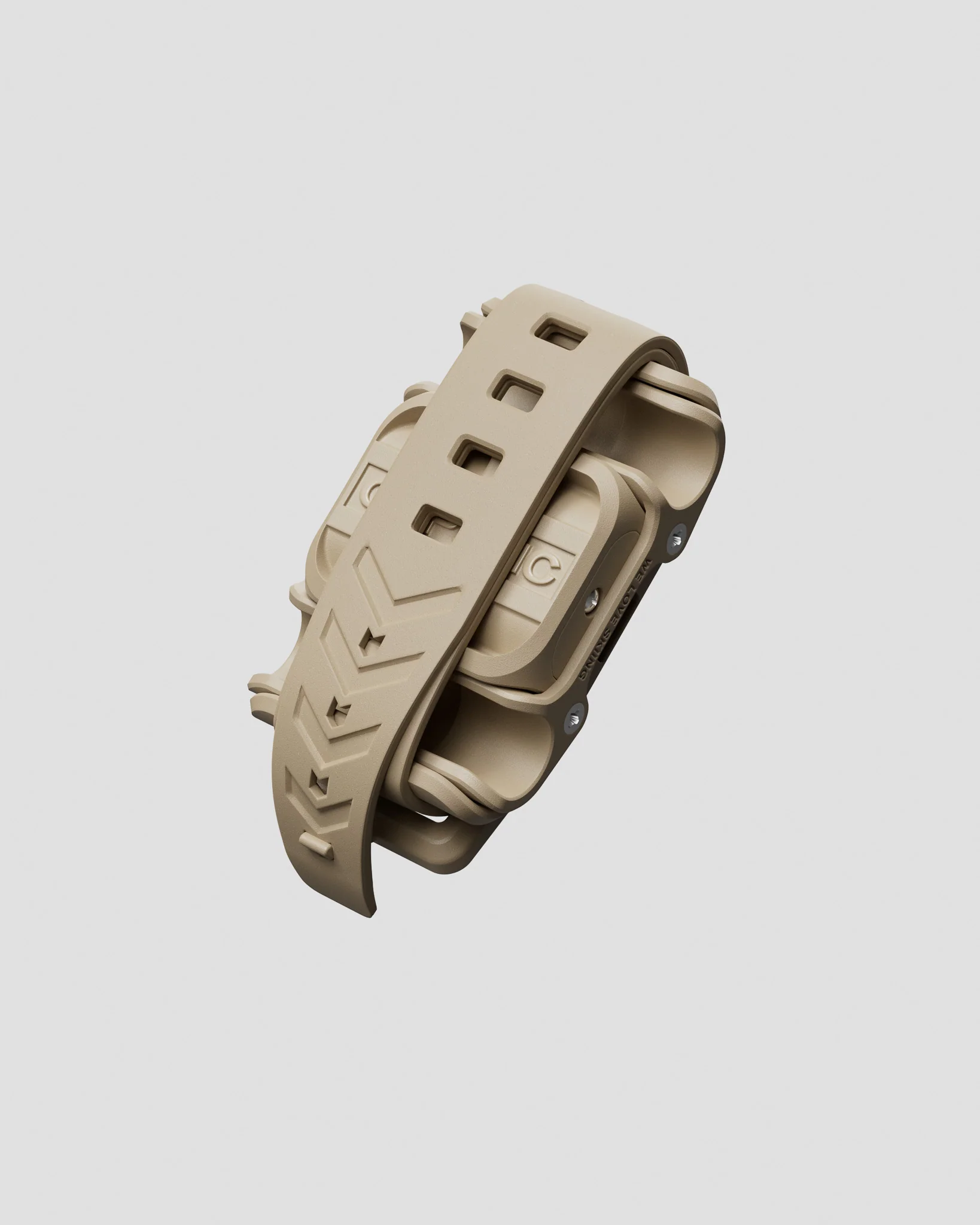
Missing a hand while carrying ski gear?
A friend of mine created Clipstic, the easy way to attach your poles to your skis! Using this link you get 10% off as well as support for Pick-a-ski!
Check it out!