Overview
The Line Optic 96 is a modern all‑mountain/freeride tool that blends easy turn initiation with real edge hold and damping. Early Rise in the tip and tail, traditional camber underfoot, a hybrid Capwall build, an Aspen core, and Line’s targeted Gas Pedal Metal (Titanal) give it a composed yet agile personality. If you want one ski to carve groomers in the morning and thread bumps and trees in the afternoon, the Optic 96 hits a sweet spot.
On‑snow performance
- Groomers & carving: The 5‑CUT multi‑radius sidecut lets you mix short, medium, and longer turns naturally. Focused Titanal underfoot provides bite and calm feedback on firmer snow. The stated 16 m radius at 177 cm feels versatile—easy to roll across the fall line without locking you into one shape.
- Crud & variable: At roughly 1880–1900 g per ski (about 3760 g/pair @ 177), the Optic 96 has enough mass and metal to smooth chatter without feeling sluggish. It tracks confidently through chop and refrozen piles.
- Bumps & trees: Early Rise plus a moderate swing weight make for quick pivots and line changes. The tail is supportive and directional; if you’re frequently back‑seat in tight moguls, it can feel a touch “locked in.”
- Powder: At 96 mm underfoot, float is solid up to around boot‑deep. For true storm days, wider or more surf‑biased skis plane easier, but the Optic 96 remains composed and intuitive in soft snow.
- Stability & speed: Very stable for its class, though not the bulldozer a Nordica Enforcer 94 or Völkl M6 Mantra can be at GS speeds. It’s a confidence‑builder for everyday fast laps, not a pure charger.
Who it’s for
- Intermediate‑plus to expert all‑mountain skiers seeking one ski for groomers, soft snow, and daily resort use.
- Riders who value edge hold and damping but still want an agile, non‑demanding feel.
- Skiers who enjoy varied turn shapes and mixing short and medium arcs.
Comparisons
- Nordica Enforcer 94: Heavier/damper and more powerful on boilerplate; Optic 96 is quicker and more playful in bumps and trees.
- Salomon QST 98: Lighter and surfier off‑piste; Optic 96 offers stronger edge grip and precision on firm snow.
- Völkl M6 Mantra: More precise and demanding; Optic 96 is friendlier for all‑day, mixed‑condition laps.
- K2 Mindbender 96C/Ti: 96C is looser/lighter; 96Ti charges harder. Optic 96 sits between on damping vs. playfulness.
Mounting & setup
- Bindings: Marker Griffon 13, Tyrolia Attack 14, Salomon STH2 13/16 are well‑matched.
- Mount point: Start on the recommended line. Move +0.5 to +1 cm for a more playful feel; stay on the line for maximum stability.
Specs explained
- Rocker/camber: Early Rise tip & tail with camber underfoot = easier turn initiation and soft‑snow float, with rebound and grip on edge.
- Dimensions (129‑96‑119 mm): 96 mm balances carving bite with all‑mountain versatility and enough platform for off‑piste.
- Radius (16 m @ 177): A do‑everything sidecut that supports multiple turn shapes without nervousness.
- Weight (~3760 g/pair @ 177): Enough mass for damping and stability; not so heavy that it feels sluggish in tight spaces.
- Construction: Capwall + Aspen core + focused Titanal (Gas Pedal Metal) add torsional stiffness, grip, and durability (Fatty Base & Edges).
Sizing tips
- General: aim around chin‑to‑top‑of‑head. Many all‑mountain skiers land in 170–177 cm (up to 184 cm for aggressive or open‑terrain riders).
- Size down for moguls/trees or if your technique is still developing; size up for speed and stability.
Frequently asked questions
Q: How does the Line Optic 96 handle icy groomers?
A: The focused Titanal and torsional stiffness deliver strong edge hold for a 96‑mm ski. On true boilerplate, a dedicated carver still wins, but the Optic 96 is impressively secure.
Q: Is the Optic 96 a good one‑ski quiver?
A: Yes. It balances groomer performance, crud stability, and adequate soft‑snow float—ideal for resort skiers who want one setup that does most days well.
Q: What size should I choose?
A: Use chin‑to‑head height as a starting point. If you ski fast and like open terrain, go longer; for trees, moguls, or a playful feel, consider the shorter option.
Q: How does it compare to lighter all‑mountain skis?
A: Lighter skis pivot more easily but can feel chattery. The Optic 96 trades a little quickness for notably better damping and edge hold.
Key takeaways
- Balanced all‑mountain performance: grip and damping on‑piste, nimble off‑piste.
- 5‑CUT sidecut enables intuitive short‑to‑medium turns.
- Targeted Titanal = stability and edge hold without punishing weight.
- Trade‑offs: less surfy in deep snow; directional tail can feel firm in tight bumps.
The neighbourhood
its nearest skis on the map, by character — not by brandQuestions & opinions
User reviews
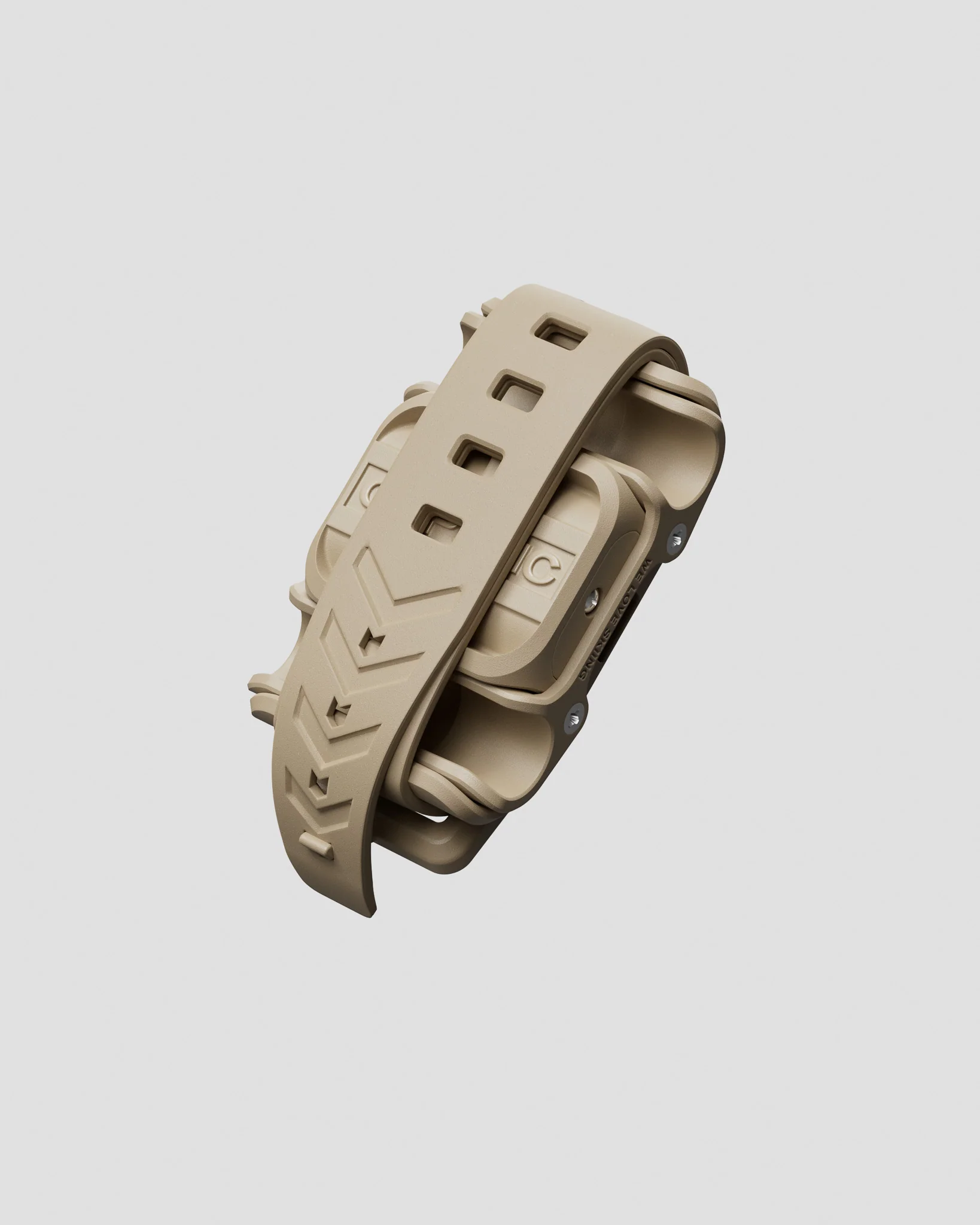
Missing a hand while carrying ski gear?
A friend of mine created Clipstic, the easy way to attach your poles to your skis! Using this link you get 10% off as well as support for Pick-a-ski!
Check it out!Not sure the Optic 96 is your ski?
Answer a few quick questions and the ski selector matches you with the right skis from 800+ models — free, no sign-up.