Summary
The Masterblaster is a versatile all-mountain freeride ski aimed at skiers who want to charge hard while keeping things playful. Its 99 mm waist makes it narrow enough to be quick edge-to-edge on groomers but still wide enough to handle chopped snow and reasonable powder. The ski balances stability and liveliness: you feel energy and rebound without the ski becoming sluggish. It’s a fine option for someone who wants one do-it-all ski that spends most of its time on piste but occasionally ventures into trees and deeper snow.
Construction & Tech
Construction is a considered mix of multiple maple laminates with lighter aspen laminates in the tip, narrow Titanal strips running down the centerline, and a quasi-isotropic four-direction fiberglass layup. Full-height UHMW sidewalls, extra-thick edges and a thick sintered base add durability and long tune life. The narrow metal strips end before the tips to reduce swing weight and keep the ski lively while preserving dampening where it matters. The result is a responsive, energetic flex with targeted stability rather than a heavy, dead feel.
On-Snow Performance
On snow the Masterblaster delivers stability at speed and a surprising sense of agility in variable conditions. The 4 mm camber underfoot maintains edge bite and rebound for carving, while the long tip rocker (about 300 mm) helps the ski initiate and float in softer snow. It handles crud and chopped groomers confidently and remains maneuverable in trees. In boot-deep powder it planes well for a sub-100 mm waist but won’t replace a wide dedicated powder design for very deep days. For mixed all-mountain days it’s a trusted performer.
Specs Explained
Quick spec explanations and what they mean: tip/waist/tail (133/99/118 mm) affect turn initiation, float and release — wider tips and tails aid flotation, a narrow waist quickens edge-to-edge transition. Rocker/camber (tip ~300 mm, tail ~240 mm, 4 mm camber underfoot) mixes float and pop with mid-stance grip. Sidecut radii (approx. 15.8–19.1 m depending on length) predict turn shape: shorter skis favor shorter radius turns, longer skis favor stability. Weight and effective edge affect swing weight and high-speed edge hold — heavier skis feel more stable but slower to flick.
Who It's For & Comparisons
Who should buy it and how does it compare? The Masterblaster suits aggressive intermediate-advanced skiers who spend most time on groomers but want the freedom to explore trees, crud and occasional powder without switching skis. Compared to wider freeride models, it’s quicker and more versatile on firm snow; compared with narrow frontside race skis, it offers more forgiveness and off-piste capability. Drawbacks include that powder specialists will miss wider float and racers may prefer continuous metal layups for maximum dampening. It’s a compelling choice as an everyday big-mountain ski.
The neighbourhood
its nearest skis on the map, by character — not by brandQuestions & opinions
User reviews
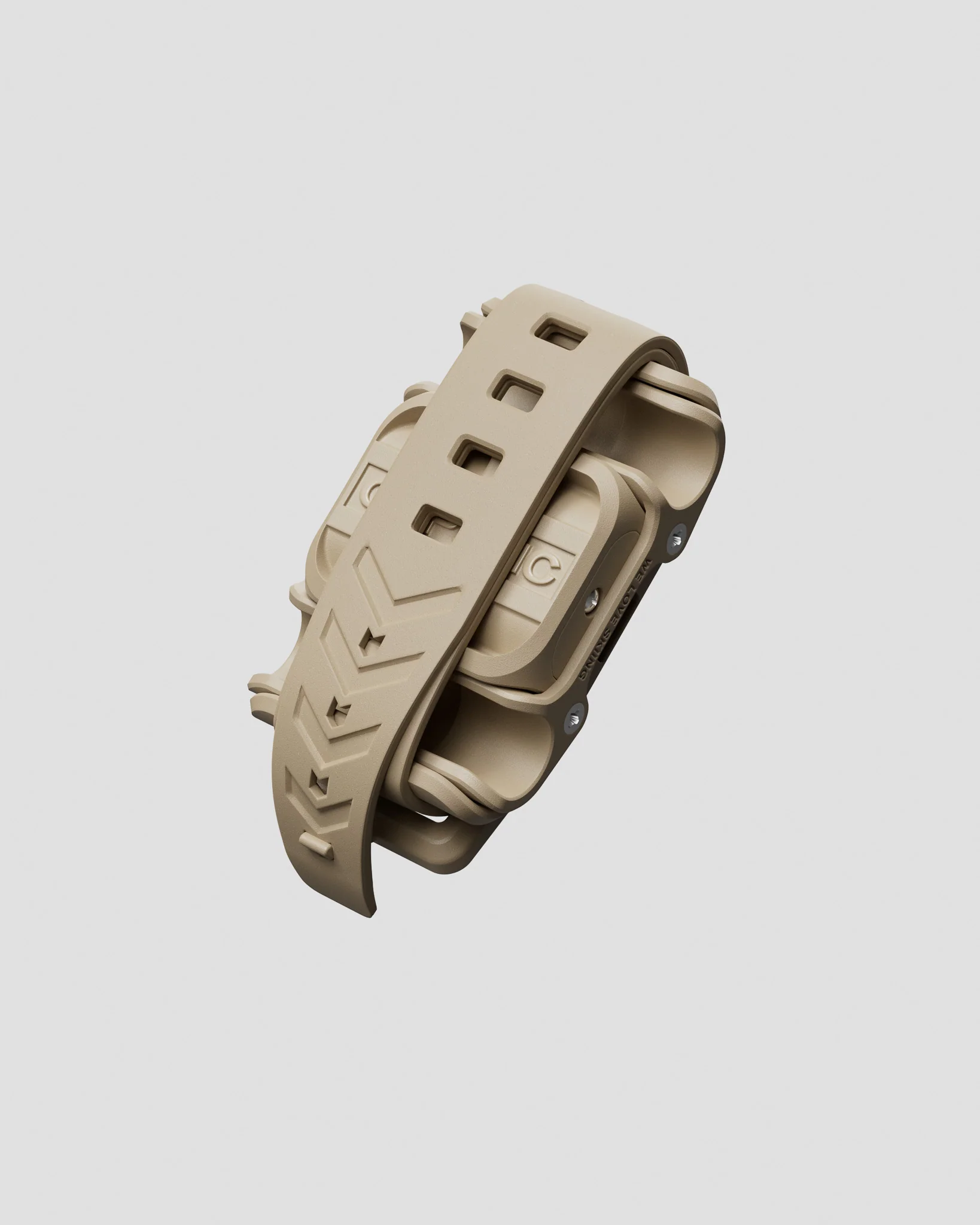
Missing a hand while carrying ski gear?
A friend of mine created Clipstic, the easy way to attach your poles to your skis! Using this link you get 10% off as well as support for Pick-a-ski!
Check it out!Not sure the Masterblaster is your ski?
Answer a few quick questions and the ski selector matches you with the right skis from 800+ models — free, no sign-up.