Icelantic Riveter 104 Review
The Icelantic Riveter 104 is a serious women’s all‑mountain tool that blends stability, dampness, and everyday versatility. With a 104 mm waist, substantial tip and tail rocker, and a directional, lower tail, it inspires confidence at speed, floats respectably on storm days, and stays composed when conditions get cut up—without metal, relying instead on smart rubber damping. Built in Colorado and backed by a 3‑year warranty.
Groomers and hardpack
- When tipped on edge, the Riveter 104 feels surprisingly precise and calm. The 14.5–16 m stated radius (by length) prefers medium-radius arcs, delivering consistent grip as long as you stay engaged.
- It isn’t the quickest edge‑to‑edge compared with narrower carvers or ultra‑light freeride skis, but it’s impressively stable and quiet, especially at higher speeds.
Soft snow and powder
- The 104 mm waist and 31 cm tip rocker provide reliable float up to about boot‑deep powder. It skis directionally with a predictable, non‑diving tip and a tail that drives you out of the turn when you commit.
- In trees and playful terrain, it’s plenty maneuverable, though less “surfy” than very light, center‑mounted skis.
Chop, crud, and variable
- This is where the Poplar Power Core with rubber layers shines. The ski remains notably composed, cutting through refrozen or wind‑affected snow where lighter, looser designs get deflected.
- The lower, directional tail supports you if you get a bit backseat, but it can feel strong if you habitually sit back.
Playfulness vs. stability
- Playful enough for natural features and small airs; not a jib ski. The emphasis is confidence, stability, and all‑mountain capability.
- Advanced and aggressive skiers will get the most out of it. True beginners may prefer a softer, lighter, more forgiving option.
Who is it for?
- Great for advanced to expert women who want one ski to do it all: carve on piste, handle powder days, and crush variable snow. You appreciate a directional feel and a calm, damp ride.
- Less ideal if you want ultralight, super‑surfy, or park‑oriented behavior, or if your home hill is bulletproof hardpack most of the time.
Comparisons
- Nordica Santa Ana 104 Free: more metal‑driven edge hold and power on ice, heavier overall; Riveter 104 feels nimbler and a bit less fatiguing.
- Blizzard Sheeva 10 (102 mm): lighter and looser/playful; Riveter is more damp and composed in crud and at speed.
- Line Pandora 104: surfier in trees and low‑angle powder; Riveter offers better precision and stability when you open it up.
- Black Crows Atris Birdie (105): more freeride/surf with a longer feel; Riveter is quicker to engage and more carve‑friendly on groomers.
Specs and what they mean
- Rocker/Camber/Rocker — tip rocker 31 cm, camber 5 mm, tail rocker 21 cm: long tip rocker improves float and easy turn initiation; camber underfoot adds grip and energy; tail rocker keeps the finish looser and more maneuverable.
- Dimensions: 139/104/126 mm: wider tip helps with float; 104 mm waist balances stability and versatility; slightly narrower tail enhances directional drive and clean release.
- Stated radius: 13 m (162), 14.5 m (169), 16 m (177): shorter radii feel quicker and more nimble; longer radii add stability for faster, longer turns.
- Weight (per pair, approx.): 3,350 g (162), 3,480 g (169), 3,592 g (177): mid‑to‑slightly‑hefty for the class—contributes to damping and confidence without feeling sluggish.
- Construction: Poplar Power Core + three rubber layers: poplar keeps it lively; rubber laminates soak up chatter as a metal alternative, yielding a durable, damp ride.
- Shape: directional, lower tail / partial twin: drives the turn and supports landings, but not primarily intended for switch/park use.
- Lengths: 162 / 169 / 177 cm: choose based on height, weight, speed, and terrain preferences.
Key takeaways
- True all‑mountain versatility: calm at speed, capable in crud, and enough float for most in‑bounds powder days.
- Directional and stable: rewards good technique; not the softest or most forgiving option for novices.
- Damped without metal: rubber layers deliver impressive smoothness and durability.
- Compelling alternative to heavier metal‑laminate skis with a touch more agility.
Frequently asked questions
Q: What length should I choose for the Icelantic Riveter 104?
A: As a rule of thumb, aim between nose height and full height depending on skill and terrain. If you’re advanced/aggressive or ski more off‑piste, go closer to full height (or a touch longer). For tighter trees or slower speeds, drop down a size. Share your height/weight/style and I’ll give a one‑line recommendation.
Q: How does the Icelantic Riveter 104 handle icy conditions?
A: For a 104 mm ski, edge hold is solid thanks to camber and torsional support. On true ice, a metal‑laminate ski like the Santa Ana 104 Free will bite harder; the Riveter 104 counters with better maneuverability and less fatigue.
Q: Is the Icelantic Riveter 104 beginner‑friendly?
A: It’s best for intermediates moving to advanced and beyond. The directional tail and stable platform reward active input; brand‑new skiers may prefer something lighter and softer.
Q: What bindings pair well with the Icelantic Riveter 104?
A: A stout all‑mountain alpine binding (Marker Griffon, Look Pivot 12, Salomon Strive) matches the ski’s intent. If you want the option to tour, consider a hybrid binding with moderate weight.
The neighbourhood
its nearest skis on the map, by character — not by brandQuestions & opinions
User reviews
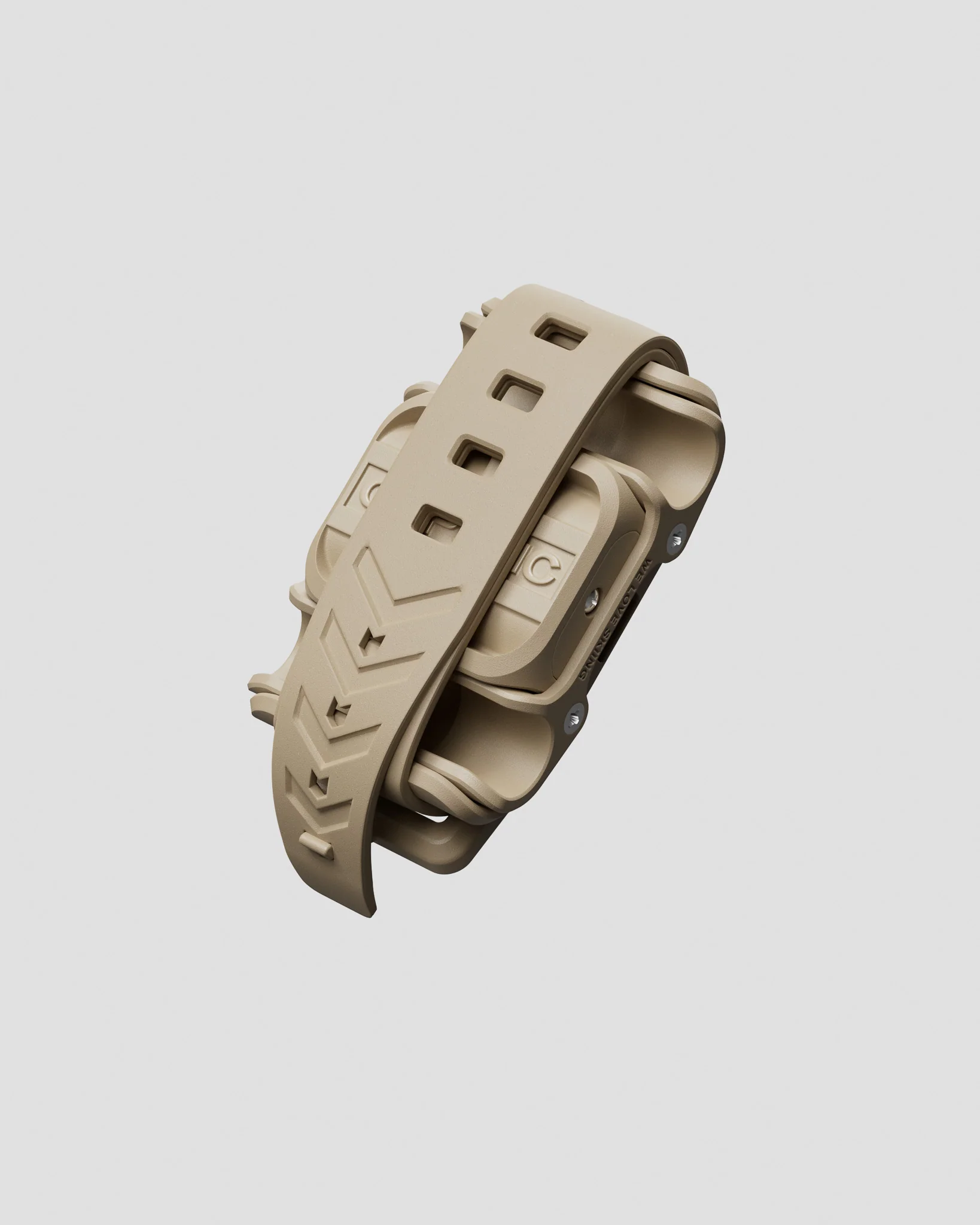
Missing a hand while carrying ski gear?
A friend of mine created Clipstic, the easy way to attach your poles to your skis! Using this link you get 10% off as well as support for Pick-a-ski!
Check it out!Not sure the Riveter 104 is your ski?
Answer a few quick questions and the ski selector matches you with the right skis from 800+ models — free, no sign-up.