Icelantic’s Nomad 112 blends surfy playfulness with real stability, making it a compelling freeride choice for powder, chop, and all‑day resort laps in soft conditions. It planes up easily, pivots on demand, and has enough backbone to keep the ride composed when the snow turns rough.
Key takeaways
- Surfy float: broad tip and rocker profile provide easy planing and smear‑y turns.
- Playful yet planted: poplar + vertical carbon add pop without deadening feel.
- Versatile for 112 mm: respectable carving for its width; not an ice specialist.
- Forgiving tail: partial twin with tail rocker helps quick releases and switch skiing.
- Sweet spot: shines in soft snow and chop; overkill on firm, truly icy days.
On‑snow performance
- Powder: The 36 cm tip rocker and 147‑112‑139 shape float quickly with a centered stance. It loves slashes and slarves and stays predictable at speed.
- Chop/crud: Poplar core, triax glass, and vertical carbon stringers give good damping for the weight. Not as bulldozer‑calm as a metal‑laminate charger (e.g., Blizzard Rustler 11), but stable enough to ski fast with confidence.
- Groomers: The added 4 mm camber improves edge hold and energy. With a 19 m radius at 182 cm, it’s happy laying medium arcs; edge grip is limited on boilerplate.
- Trees/bumps: Low swing weight from the FLY‑Cap tips/tails and the rockered tail make it easy to pivot. Still, at 112 mm it’s no zipper‑line bump ski, though surprisingly nimble.
Build & specs (what they mean)
- Rocker profile: Tip 36 cm / Camber 4 mm / Tail 31 cm (rocker‑camber‑rocker) – generous float and slarvy turns, with camber for stability and rebound.
- Dimensions: Tip 147 mm / Waist 112 mm / Tail 139 mm – wide, floaty front, stable platform in variable snow, playful tail release.
- Turning radius (by length): 16 m @171; 17.5 m @176; 19 m @182; 20 m @188; 21.5 m @194 – shorter is turnier; longer tracks steadier at speed.
- Weight: approx. 3.85–3.92 kg/pair (182 cm) – middle of the class; balances maneuverability and composure.
- Construction: Poplar core, triaxial fiberglass, vertical carbon stringers (energy/pop), full sidewalls (edge hold/durability), FLY‑Cap tip/tail (reduced swing weight), ISOSPEED sintered base (fast glide), 2.2 mm steel edges. Handmade in the USA.
- Tail type: Partial twin – playful and switch‑friendly while remaining supportive.
Sizing & mounting
- Pick length by terrain and speed: trees/feel‑good freestyle favor shorter; open bowls, higher speeds, or heavier riders favor longer.
- For 50/50 resort‑touring, a hybrid binding (e.g., Shift) works well. The recommended mount point keeps the Nomad 112 balanced and predictable.
Comparisons
- Nomad 106: quicker edge‑to‑edge and more all‑mountain friendly, but with less float and chop stability than the 112.
- Nomad 115: more surf and float in deep storms; the 112 is the more versatile freeride daily driver in snowy regions.
- Blizzard Rustler 11: more damping and edge bite in rough/firm snow; the Nomad 112 feels lighter, looser, and more playful.
Potential drawbacks
- Not a carver or ice tool; expect average hold on truly firm snow.
- Doesn’t bulldoze refrozen crud like heavier metal skis.
- Width can be tiring on long hard‑snow days.
Frequently asked questions
Q: Who is the Icelantic Nomad 112 for?
A: Freeriders who want a playful, surfy ski with enough stability for chop and speed. It’s ideal as a daily driver in snowy resorts; if you ski lots of ice, look narrower.
Q: What length should I choose?
A: If you favor trees, freestyle, or are lighter, consider the shorter option. For open terrain, heavier skiers, or higher speeds, size up (e.g., 188/194) for more stability.
Q: How does it compare to the Nomad 106 and 115?
A: The 106 is more versatile on groomers and mixed days; the 115 is the deep‑day specialist. The 112 balances both—our pick for freeride versatility.
Q: What bindings pair well?
A: Solid alpine freeride bindings for resort use, or hybrids (Shift, Duke PT) for 50/50. Mount near the recommended line for a neutral, balanced feel.
The neighbourhood
its nearest skis on the map, by character — not by brandQuestions & opinions
User reviews
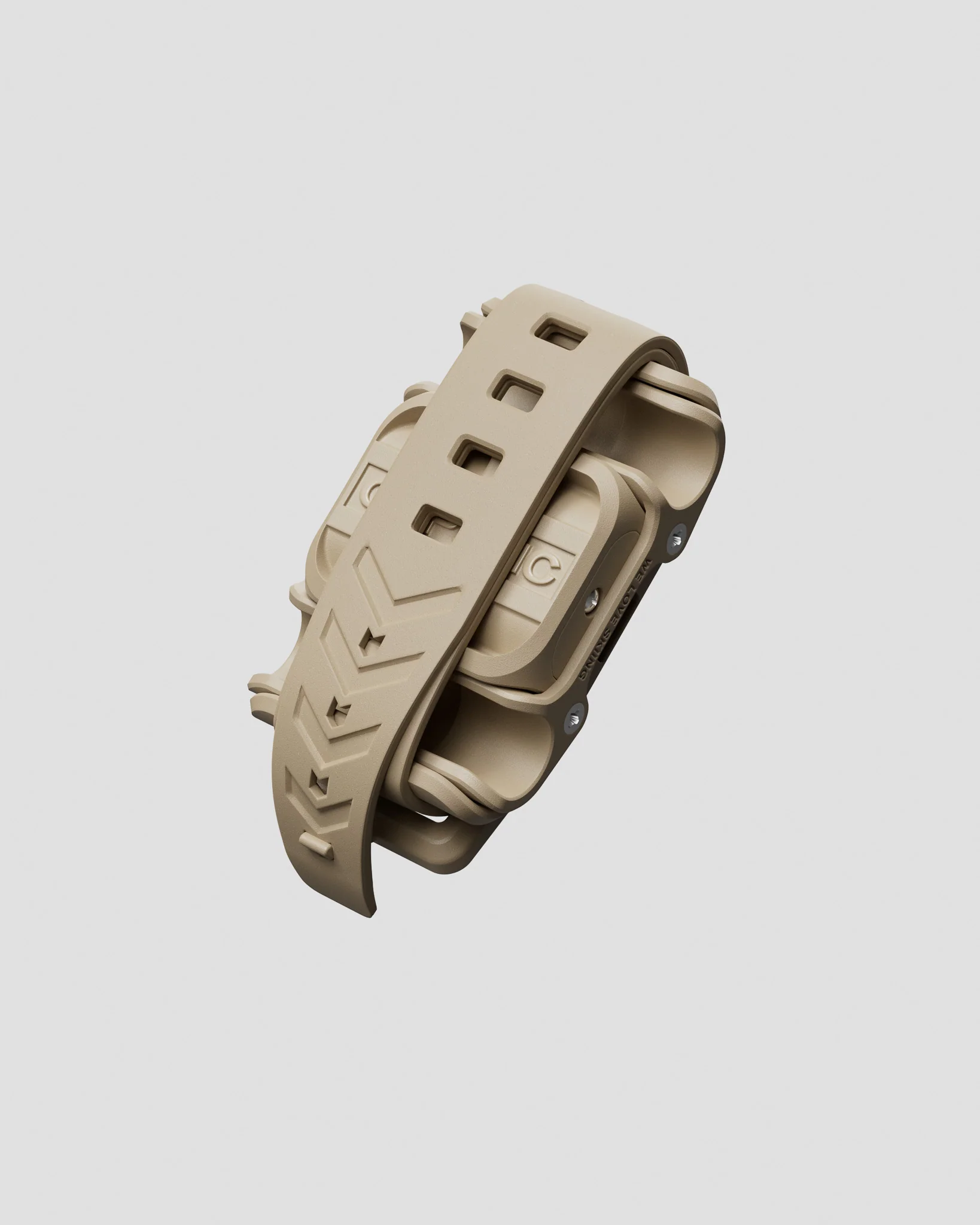
Missing a hand while carrying ski gear?
A friend of mine created Clipstic, the easy way to attach your poles to your skis! Using this link you get 10% off as well as support for Pick-a-ski!
Check it out!Not sure the Nomad 112 is your ski?
Answer a few quick questions and the ski selector matches you with the right skis from 800+ models — free, no sign-up.