The Icelantic Natural 101 is a lightweight backcountry touring ski that blends skin‑track efficiency with a fun, confidence‑inspiring ride on the descent. At 101 mm underfoot with substantial tip rocker and a mildly rockered tail, it pivots easily in trees and soft snow yet retains enough backbone for variable alpine conditions.
Key takeaways
- Playful, still composed: Quick to pivot and smear, with respectable edge hold and damping for its weight.
- Efficient uphill: Light on the feet for long days without feeling twitchy on the way down.
- Versatile 101‑mm waist: Adequate float for soft days while remaining manageable on firm.
- Predictable sidecut: 19–23 m radii keep things calm at speed and smooth entering/exiting turns.
- Specs caveat: Small rocker/camber inconsistency and weight units vary by source—confirm if critical.
On‑snow performance
- Powder & trees: The 31 cm tip rocker planes easily and lets you swivel cleanly in tight spaces. The 101‑mm platform provides useful float without feeling cumbersome in technical terrain.
- Tracked pow & chop: The full sidewalls and fiberglass layup add more composure than you’d expect for this mass. It won’t bulldoze heavy refrozen crud like a heavier freeride ski; stay neutral and centered and it remains predictable.
- Firm snow & steeps: Modest camber with a lightly rockered tail gives reliable bite for touring lines. Not a hard‑snow carver, but suitably secure for mixed mountain conditions.
Uphill efficiency & weight
The Natural 101 climbs efficiently and feels balanced on long approaches. Published weights from Icelantic and retailers are likely per pair; an independent test measured roughly 1,578 g per ski (178 cm). That puts it in the “light but not ultra‑light” class—friendlier and less nervous than many featherweight options while still easy to move uphill.
Mounting, skins & setup notes
- Bindings: Pair with tech touring bindings (e.g., ATK, Marker Alpinist, Dynafit). For more downhill support, a slightly burlier tech binding works well.
- Mount point: The recommended line yields a neutral, confidence‑inspiring stance. Only consider +1 cm if you strongly prefer a centered, playful feel.
- Tail & skins: The mildly rockered, partial twin‑style tail accepts skin clips well; just check clip fit with the tapered tail.
Build quality & durability
Full ABS sidewalls, 2.2 mm edges, and a sintered base deliver durability you can trust. For a touring ski, damping is above average thanks to the triax glass layup and overall construction. The Carbonium topsheet resists scuffs decently.
Comparisons
- Blizzard Zero G 105: Lighter and stiffer with more edge hold and top‑end speed tolerance, but less playful and forgiving. The Natural 101 is more fun in trees and in soft, mixed snow.
- Black Crows Navis Freebird: More directional with strong grip; the Natural 101 feels looser and more maneuverable off‑piste.
- Atomic Backland 100: Lighter and looser, but less damp in rough snow. The Natural 101 offers more composure.
- DPS Pagoda Tour 100 RP: Super light and very surfy; excellent in soft snow, but the Natural 101 is steadier when it firms up or gets chopped.
Who it’s for / who should pass
- Buy if: You want a touring ski that climbs easily, feels lively and forgiving, and still provides real stability for variable backcountry snow.
- Skip if: You primarily rail on ice or demand maximum high‑speed stability—look to a stiffer, heavier touring or freeride platform.
Specs explained
- Rocker profile: ~31 cm tip rocker with camber underfoot and a slightly rockered tail. More tip rocker aids float/pivot; camber adds grip and rebound. Note: Icelantic lists 2–5 mm camber and 19 cm tail rocker (internal inconsistency).
- Sidecut (132‑101‑117): Tip/waist/tail widths shape float, edge hold, and maneuverability. 101 mm hits a touring sweet spot for mixed conditions.
- Radius (171: 19 m; 178: 21 m; 185: 23 m): Longer radii feel calmer at speed; shorter radii initiate more quickly.
- Weight: Expect ~1.55–1.60 kg per ski in 178 cm (independent ~1,578 g). Manufacturer/retailer figures often list per pair—lighter climbs better, heavier damps more.
- Lengths (171/178/185): Choose shorter for tight terrain/slower speeds; longer for stability, float, and open lines.
Frequently asked questions
Q: Is the Icelantic Natural 101 good for resort laps?
A: It’s fine for fitness laps and spring groomers, with respectable edge hold. As a daily resort ski, it’s too light to truly smooth out icy or high‑traffic conditions.
Q: What length should I choose?
A: Around your height works for most. Go 171 cm if you’re lighter or ski mainly in trees; 178 cm for all‑round use; 185 cm if you’re heavier, faster, or value float and stability in open terrain.
Q: Can you confirm the exact camber/tail rocker and weight units?
A: The product page shows minor inconsistencies and sources vary on per‑ski vs per‑pair weights. Would you like me to (A) pull the latest tech sheet or (B) convert weights to per‑ski and per‑pair for each length?
Verdict
A thoughtfully executed blend of uphill efficiency, playfulness, and real‑world stability. If you want a lively touring ski that doesn’t fall apart when conditions get rough, the Icelantic Natural 101 should be high on your list.
The neighbourhood
its nearest skis on the map, by character — not by brandQuestions & opinions
User reviews
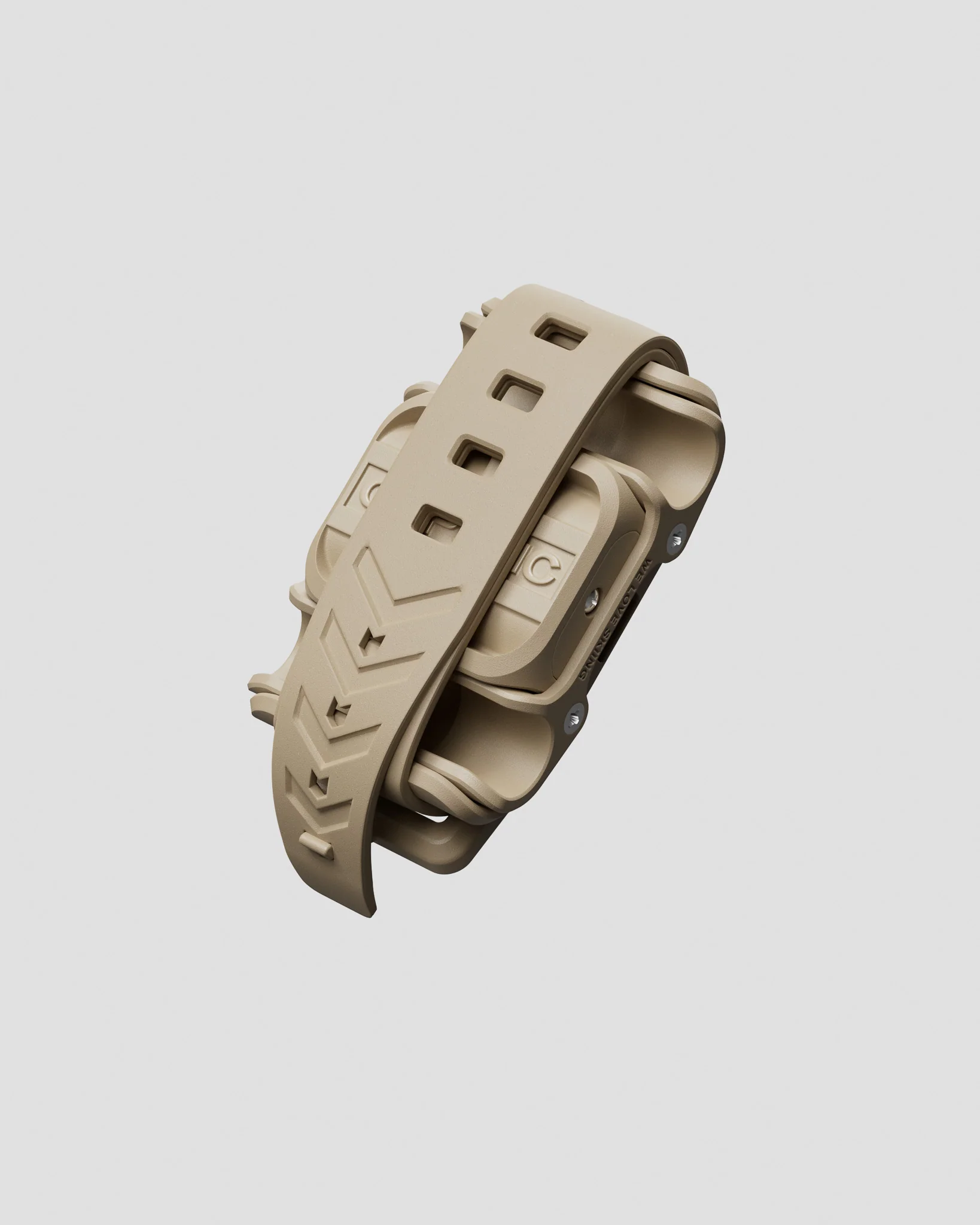
Missing a hand while carrying ski gear?
A friend of mine created Clipstic, the easy way to attach your poles to your skis! Using this link you get 10% off as well as support for Pick-a-ski!
Check it out!Not sure the Natural 101 is your ski?
Answer a few quick questions and the ski selector matches you with the right skis from 800+ models — free, no sign-up.