Ion 10 review
Objective G3 Ion 10 review: 4–10 DIN, 579 g, easy step‑in, heel AFD and flex compensation, 85–135 mm brakes. Pros, cons, who it’s for, and key rivals compared.
Chassis
tech · alpine touringThe G3 Ion 10 is a tech/alpine-touring binding built around trust: easy step-in, consistent release, and a stout feel for its class. With a 4–10 DIN and 579 g per binding, it targets tourers who want reliability and user-friendliness over gram-counting minimalism or hybrid-alpine performance.
Who is it for?
- Intermediate to advanced tourers within the 4–10 release range who value predictable downhill behavior and simple transitions.
- 50/50 riders who take occasional resort laps but don’t need a full MNC/multi-norm binding.
- Not ideal for heavy, hard-charging skiers who need DIN above 10 or a hybrid/alpine feel (consider G3 Ion 12, Dynafit ST Rotation 14, or Salomon/Atomic Shift).
On-snow performance
- Downhill feel: the fixed tech toe delivers a direct, precise connection. The heel’s flex compensation maintains ski flex and helps curb forward pre-releases.
- Step-in and handling: Step-In Guidance makes entry among the easiest in class, even in ruts or with moderate snow buildup. QuickFlick heel risers are positive and pole-friendly.
- Release consistency: the heel AFD promotes even, predictable lateral release. There’s no dedicated toe elasticity, but when set up correctly the retention is impressively consistent.
Features that matter
- Step-In Guidance: funnels your inserts into the pins for fast, frustration-free entry.
- Heel AFD: aids consistent lateral release across tech-boot sole variations.
- Flex compensation/forward pressure: preserves ski flex and reduces pre-release as the ski bends.
- Snow-clearing channel: helps purge ice/snow from the toe piece.
- Single-tool Pozi #3: straightforward mounting and adjustments.
- Crampon compatible: easy to add traction for firm ascents.
Specs and what they mean
- Type of binding: Tech / Alpine Touring – efficient uphill with solid downhill stability compared to ultralight race gear.
- DIN / release value: 4–10 – broad enough for many skiers who don’t require very high settings.
- Elastic travel: not published (heel flex compensation; direct-feel toe) – smooths ski flex via the heel while keeping a precise toe connection.
- Brake width: 85 mm, 100 mm, 115 mm, 135 mm – select near your waist width; fits most skis up to ~5 mm over stated brake size.
- Weight: 579 g per binding – heavier than minimalist pins, but adds durability and a planted ride.
- Compatibility: Tech-compatible AT boots (ISO 9523 with pin inserts); not ISO 5355 alpine soles; crampon-ready – ensure your boots have tech inserts.
- Materials: Aluminum, steel, reinforced plastics – a durable mix for stiffness, longevity, and corrosion resistance.
Comparisons
- Marker Alpinist 10: much lighter, but lacks heel AFD and robust forward pressure; the Ion 10 feels sturdier with easier step-in and a more “alpine-like” retention.
- Salomon/Atomic MTN/Backland: lighter and simpler; Ion 10 wins on step-in ease, brake range, and perceived durability.
- Dynafit ST Rotation 10: adds toe rotation (elasticity) and damping on rough snow, but is heavier and more complex. Ion 10 is simpler, more direct, and easier to use.
- Fritschi Xenic 10: very light and affordable, with more plastic; Ion 10 feels more confidence-inspiring at speed.
- ATK Raider 10: lighter with advanced heel elasticity options and freeride spacers; Ion 10 is easier to step into and generally more forgiving day-to-day.
Potential drawbacks
- Max DIN 10 limits suitability for very aggressive or heavy skiers.
- Heavier than pure fast-and-light pin bindings.
- No dedicated toe elasticity; some skiers prefer elastic toe designs in variable snow.
- Not MNC: won’t work with alpine soles lacking tech inserts.
Key takeaways
- Reliable downhill confidence: direct toe, heel AFD, and forward pressure inspire trust.
- Exceptionally easy step-in: a real advantage in deep or refrozen snow.
- Versatile brake sizes: covers modern waist widths well.
- Not for DIN >10 chargers: consider Ion 12 or hybrid options.
Frequently asked questions
Q: What brake width should I choose?
A: Aim for equal to your ski waist or up to ~15 mm wider; the G3 Ion 10 generally accommodates up to ~5 mm over the listed brake width.
Q: Is the G3 Ion 10 good for regular resort use?
A: It’s fine for occasional resort days. For frequent hardpack laps, big air, or very high speeds, a hybrid (Shift/Kingpin) or higher-DIN option is better.
Q: Which boots are compatible?
A: Tech-compatible AT boots with pin inserts (ISO 9523). Traditional alpine soles without tech inserts (ISO 5355) are not compatible.
Questions & opinions
User reviews
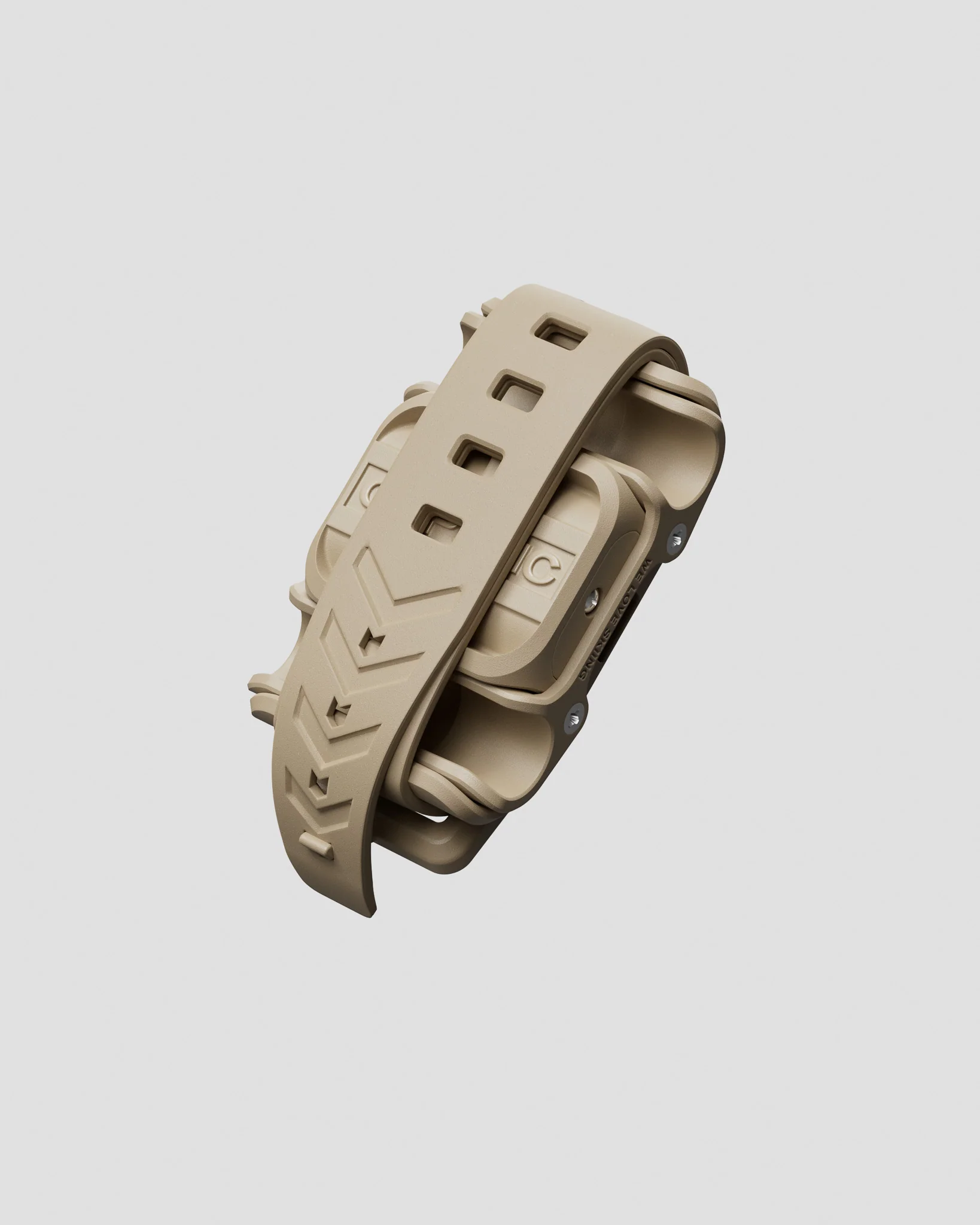
Missing a hand while carrying ski gear?
A friend of mine created Clipstic, the easy way to attach your poles to your skis! Using this link you get 10% off as well as support for Pick-a-ski!
Check it out!