Vipec evo 12 review
In-depth Vipec Evo 12 review: power, safety, weight, uphill ease. Specs explained, pros and cons, and comparisons to Rotation, Alpinist, and Tecton bindings.
Chassis
tech · alpine touringThe Vipec Evo 12 is a tech/pin touring binding with a fixed (non-rotating) heel and a lateral toe release designed to balance uphill efficiency with confident downhill performance. Its dynamic toe elasticity, emergency release while skinning, and independent toe/heel DIN tuning create a uniquely composed ride for a tech binding.
Key takeaways
- Fixed heel, lateral toe release: direct power transfer and an alpine-like feel on descents.
- Dynamic elasticity: ~13 mm of lateral toe travel smooths chatter and reduces unwanted pre-release.
- Adjustable DIN 4–12 at toe and heel: fine-tune retention and release for your weight, style, and terrain.
- Touring usability: two riser heights (~7° and ~11°), reliable brakes, crampon-ready, quick transitions.
- Weight class: not ultralight, but solid and confidence-inspiring for all-round touring/freeride.
On-snow performance
The fixed heel gives the Vipec a precise, planted feel—noticeably more supportive than many featherweight pin bindings. The lateral toe release with ~13 mm of dynamic travel absorbs side loads, keeping skis calm in chop and variable snow. Compared with a Dynafit Rotation 12 (rotating toe), the Vipec feels more direct with similar release predictability.
Touring and ease of use
At roughly 500 g per binding without brakes (≈597 g with 100 mm brakes), it remains efficient for full days and multi-lap tours. Two climbing aids cover common gradients, and the 10 mm length compensation maintains consistent release as the ski flexes. Step-in is secure for a tech binding; the optional step‑in clip helps when using GripWalk/alpine soles. Transitions are quick, brakes deploy reliably, and crampons slot in cleanly.
Safety and release
Fritschi’s 360° Safety System allows emergency release even while ascending—reassuring on steep traverses. Independent toe and heel DIN adjustment (4–12) lets you tailor settings—e.g., slightly lower at the toe for injury mitigation and firmer at the heel for aggressive descents.
Durability and materials
A mix of steel, aluminum, and high-grade (carbon-reinforced) plastics yields a robust yet weight-conscious build. Swiss assembly and replaceable parts (e.g., brake frame) add longevity and serviceability.
Comparisons
- Dynafit Rotation 12: lighter feel with a rotating toe for release consistency; Vipec is more direct and offers uphill emergency release.
- Marker Alpinist 12: much lighter and simpler; Vipec is heavier but more stable with greater elasticity and adjustability.
- Fritschi Tecton 13: best downhill power thanks to its alpine-like heel, but heavier; Vipec is the lighter all-rounder.
- Salomon/Atomic Shift: class-leading resort/downhill performance and boot versatility, yet far heavier; Vipec tours more efficiently.
Specs and what they mean
- Type of binding: Tech (Alpine Touring), fixed heel. Efficient climbing with direct downhill power transfer.
- DIN / release value: 4–12, independently adjustable toe/heel. Precise tuning for retention and release.
- Elastic travel: ~13 mm lateral toe; 10 mm length compensation. Adds damping and consistent release under ski flex.
- Brake width: 80/90/100/110/120 mm. Choose a brake ~0–15 mm wider than your ski waist.
- Weight: ≈500 g per binding (no brake); ≈597 g with 100 mm brake. Balanced durability and touring efficiency.
- Compatibility: Tech boots standard; optional clip for GripWalk/ISO 5355. Ideal on skis ~75–110 mm waist.
- Materials: Aluminum, steel, high‑grade plastic. Stiff, durable, and weight-efficient construction.
Who is it for?
Ski tourers and freeriders who want a tech binding with superior stability and safety features, without jumping to the much heavier hybrid category.
Potential drawbacks
- Heavier than minimalist pin options (Alpinist/Zed/Xenic).
- Fixed-heel feel is less “playful” than some rotating designs.
- Accessory required for GripWalk/alpine sole use.
Frequently asked questions
Q: How do I choose the right brake width?
A: Pick a brake that is 0–15 mm wider than your ski’s waist. For a 98 mm ski, a 100 or 110 mm brake works, with 100 mm providing a neater fit.
Q: Is the Vipec Evo 12 suitable for aggressive skiing?
A: Yes within its DIN range and with proper settings, the fixed heel offers strong support. For maximum downhill power, the Fritschi Tecton or Shift hybrids are still more alpine-like.
Q: Can I use GripWalk or alpine soles?
A: By default it’s for tech boots. With the optional step‑in clip, you can use GripWalk and ISO 5355 (alpine) soles—handy for resort-based touring.
Q: How much toe elasticity does it have?
A: Around 13 mm laterally, which helps resist pre-release in rough snow and makes release behavior more consistent through turns and compressions.
Also compared
1 pairsQuestions & opinions
User reviews
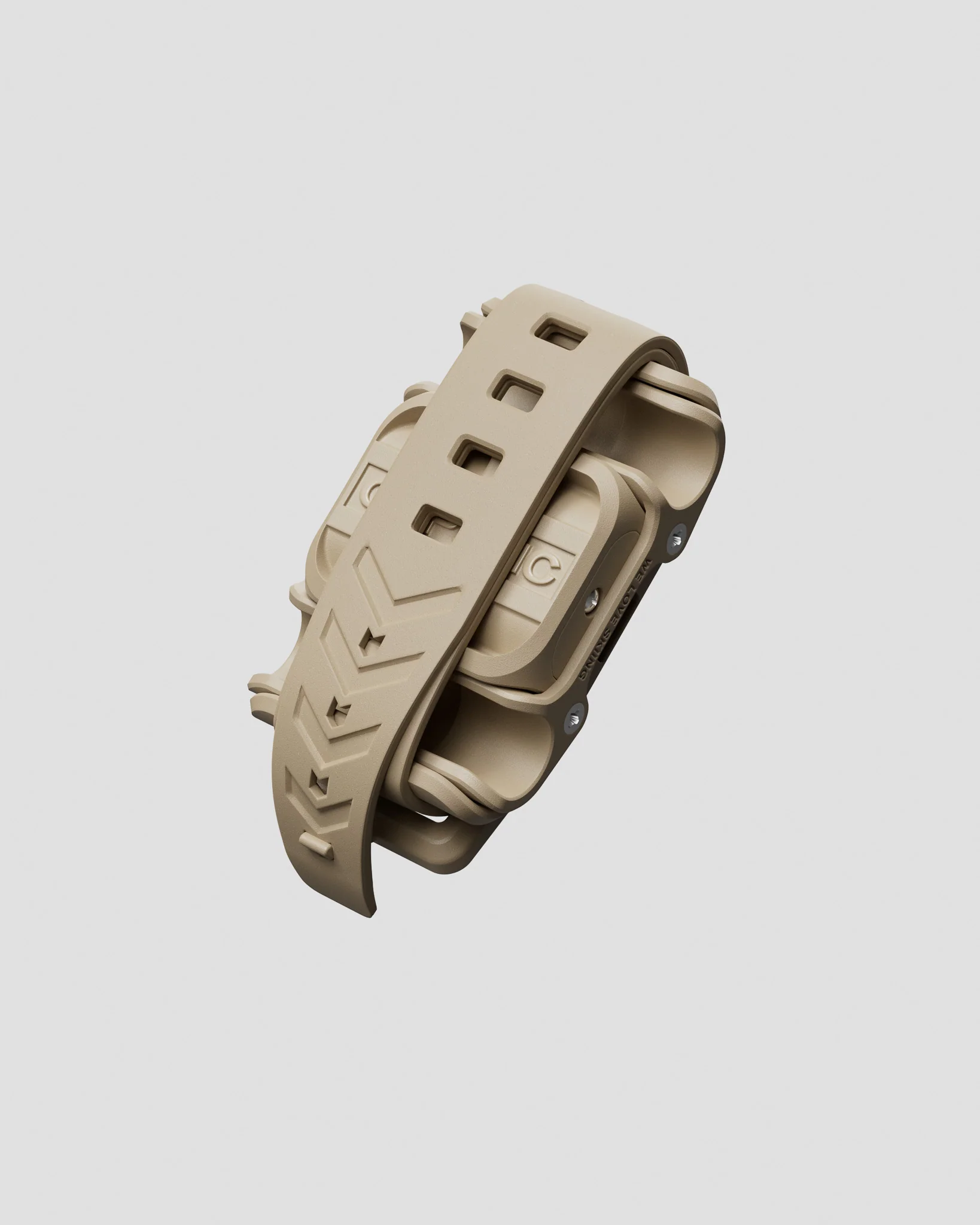
Missing a hand while carrying ski gear?
A friend of mine created Clipstic, the easy way to attach your poles to your skis! Using this link you get 10% off as well as support for Pick-a-ski!
Check it out!