Rc4 worldcup noize gs women review
Full review of the Fischer RC4 Worldcup Noize GS Women (M‑Plate): stability, edge hold, Noize Control damping, who it’s for, drawbacks, and setup tips.
Overview
The RC4 Worldcup Noize GS Women is a full‑blooded FIS giant‑slalom race ski built for speed, precision, and unflappable stability on hard snow. With a 30 m radius, classic full camber, and the M‑Plate, it’s a purpose‑built tool for expert racers—not a recreational carver.
On‑snow performance
- Edge hold: Outstanding on hardpack and ice; it engages early and stays locked through the arc.
- Turn shape: Long, GS arcs with pressure spread tip‑to‑tail. It needs speed and a forward, powerful stance; short‑turning or braking isn’t its game.
- Stability & damping: Exceptionally calm at very high speed. Noize Control noticeably filters chatter, keeping edge contact consistent.
- Energy & forgiveness: Classic race feel with solid rebound, but little forgiveness—back‑seat skiing or sloppy timing is punished.
- Snow range: Best on firm to icy surfaces. In softer, rutted courses it remains composed, but still demands strength and precision.
Construction & tech
- Full camber: Maximizes effective edge for grip and pressure control.
- Race sandwich/sidewall: Direct power transfer and durable, easy‑to‑tune race sidewalls.
- Solid wood core: Classic race core for predictable damping and torsional stiffness.
- M‑Plate: Race plate that preserves consistent flex and sharpens power delivery.
- Noize Control: Vibration damping for speed stability and more constant snow contact.
Who it’s for (and who it isn’t)
- Ideal for: FIS GS racers, Masters, and powerful technical skiers who live in long, high‑speed arcs.
- Not ideal for: Recreational piste carving, tight slopes, or low speeds—the 30 m radius needs space and pace.
Comparisons
- Head Worldcup Rebels e‑GS RD W: Even smoother thanks to EMC; the Fischer feels a touch more precise and neutral.
- Atomic Redster G9 RS FIS: Servotec adds light tip guidance; the Fischer is more classical, asks for more commitment, but stays supremely calm at speed.
- Rossignol Hero FIS GS W: With LCT it’s very “locked‑in”; the Fischer feels slightly more adaptable as conditions change.
- Blizzard Firebird GS FIS: Stiffer tail sensation; the Fischer’s flex is a bit more progressive, easing the exit.
Sizing & setup
- Length: 188 cm is the standard FIS women’s GS length; 183 cm can suit Masters, lighter skiers, or shorter venues.
- Binding/plate: M‑Plate pairs with race bindings that allow free ski flex (Freeflex‑style).
- Tuning: Many teams run ~0.5° base / 3° side. For a milder feel, start at 1°/3° and minimally detune the tips. Keep the base flat and consistent.
Specs and what they mean
- Rocker profile (full camber): More effective edge and pressure—maximum grip and precision.
- Tip/waist/tail: 183 cm 97.2/65.2/82.0 mm; 188 cm 98.9/65.1/83.2 mm. A narrow waist quickens edge‑to‑edge and bites on ice; balanced tip/tail keep arcs stable.
- Radius: 30 m. Built for long GS turns at speed; requires skill and course space.
- Weight (pair, w/o bindings): 183 cm 4.70 kg; 188 cm 4.90 kg. A touch more mass adds damping and stability.
- Available lengths: 183, 188 cm. Focused, FIS‑oriented options.
Key takeaways
- FIS GS focus: 30 m radius needs speed, space, and precision.
- Rock‑solid stability: Noize Control + M‑Plate keep it calm at top speed.
- Classic race feel: Full camber feedback with low forgiveness.
- Competitive benchmark: Stacks up confidently against Head, Atomic, and Rossignol.
Frequently asked questions
Q: Is the Fischer RC4 Worldcup Noize GS Women FIS‑legal?
A: Yes. It’s RACE CODE and built to FIS GS specs with a 30 m radius and race‑specific lengths, making it suitable for sanctioned events (always verify current FIS rules for your category).
Q: What length should I choose?
A: 188 cm is the go‑to for women’s FIS GS. Lighter or Masters skiers may consider 183 cm depending on course length, speed, and strength.
Q: How does it compare to retail GS skis?
A: It’s significantly stiffer and more stable, with a much longer radius. At low speeds it feels more demanding than consumer GS skis in the ~17–21 m range.
Q: What does Noize Control do on snow?
A: It reduces micro‑vibrations so the ski runs quieter, maintains edge contact more consistently, and helps you hold a precise line at speed.
The neighbourhood
its nearest skis on the map, by character — not by brandQuestions & opinions
User reviews
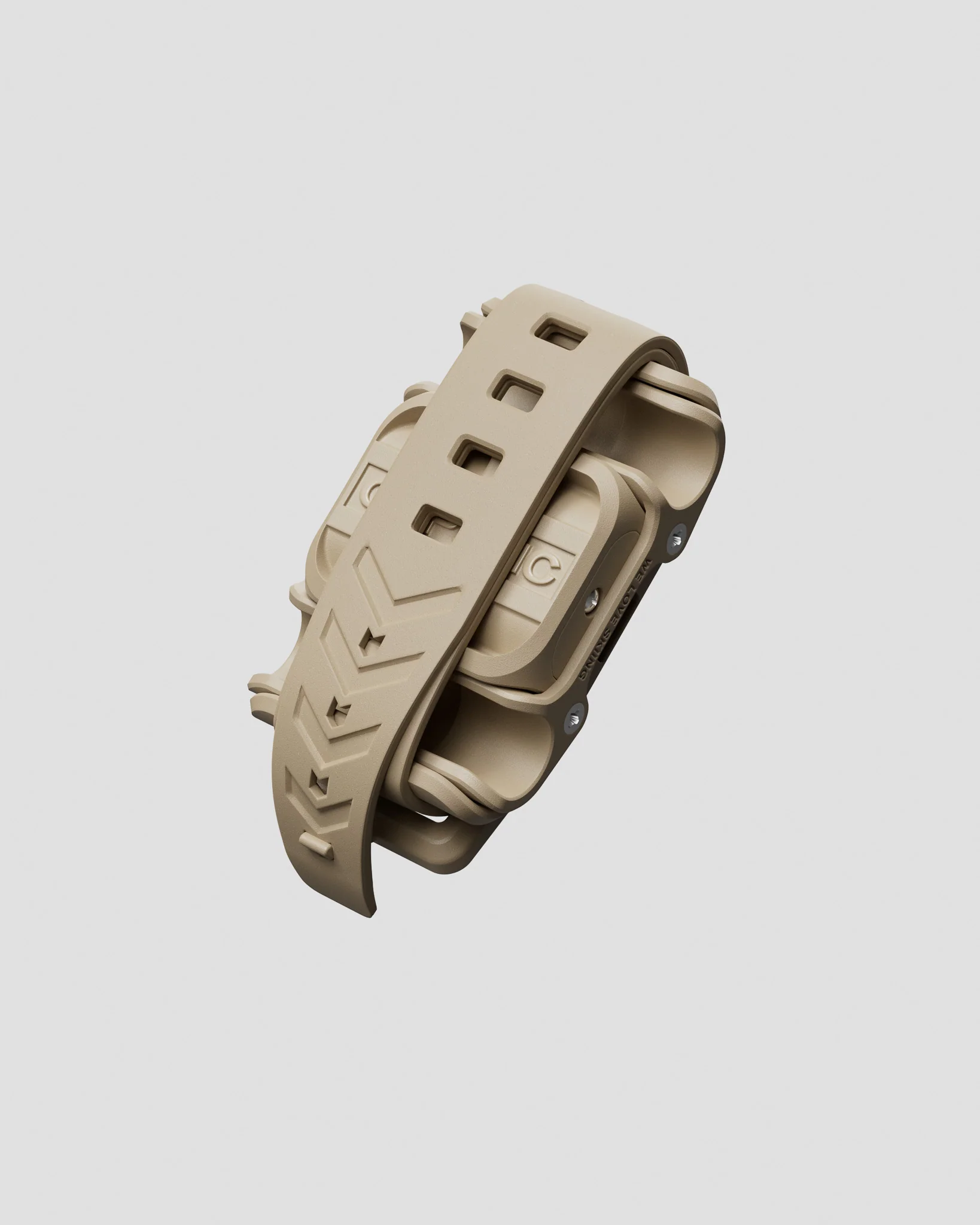
Missing a hand while carrying ski gear?
A friend of mine created Clipstic, the easy way to attach your poles to your skis! Using this link you get 10% off as well as support for Pick-a-ski!
Check it out!Not sure the Rc4 worldcup noize gs women is your ski?
Answer a few quick questions and the ski selector matches you with the right skis from 800+ models — free, no sign-up.