
By Sophia Reynolds
Fischer RC4 NOIZE GS JR — In‑Depth Review
Overview
The Fischer RC4 NOIZE GS JR is a purpose‑built junior giant‑slalom race ski. It feels like a scaled‑down World Cup tool: precise, calm at speed, and eager to lock into a clean GS arc. Fischer’s Noize Control damping, Shaped Ti reinforcement, a true sandwich sidewall, and a junior race plate (M‑Plate) deliver standout edge hold and stability on hard and injected surfaces.
- Intended rider: advanced to expert junior racers (club/academy, U12–U16 and beyond) who want dependable speed through gates.
- Terrain: on‑piste only; excels on firm to icy snow. Not an all‑mountain ski.
- On‑snow feel: classic race camber with immediate edge engagement, predictable rebound, and strong high‑speed composure.
On‑snow performance
- Edge hold and stability: Excellent. The ~64–65 mm waist and Shaped Ti keep the ski biting and torsionally rigid on boilerplate. It sets a GS line and stays there.
- Damping: Noize Control filters high‑frequency chatter, making it notably quieter over ruts and ripples than many peers.
- Turn shape and energy: Prefers medium‑to‑long GS arcs with elastic, controlled rebound—easy to time through panels.
- Speed window: Feels planky below GS pace; feed it pressure and speed and it comes alive.
Who is it for?
- Ideal for ambitious junior racers with solid fundamentals who need a serious GS tool to chase times.
- Not suitable for beginners or recreational skiers; it’s narrow, torsionally stiff, and rewards precise input.
Construction & tech (how it rides)
- Beech/Poplar wood core: lively yet strong; maintains edge hold through the fall line.
- Shaped Ti (titanal): adds stability and vibration control without turning the ski into a tank.
- Sandwich Sidewall + Race Sidewall: crisp power transfer and consistent tuning along the edges.
- Noize Control™: noticeably calms the ski at speed; less vibration in icy, chattery sections.
- Sintered race base with World Cup finish: fast out of the box; responds well to diligent wax and edge work.
- M‑Plate (junior): increases leverage and edge pressure; pairs with Marker/Freeflex race bindings.
Sizing & setup
- Available lengths: 123–153 cm, 158–168 cm, 173–178 cm (each step with length‑specific radius; see specs below).
- Tuning: Many teams run ~0.5° base / 3° side for maximum bite on ice (adjust to program preferences). Keep it waxed to unlock top speed.
- Regulations: FIS/national rules for junior GS change by age and federation. Choose length to hit your target radius and confirm with your coach or race director.
Comparisons
- Atomic Redster G9 RS JR: similar top‑end stability; Atomic’s tail often feels firmer and more demanding. Fischer is a touch more forgiving in transition.
- Head Worldcup Rebels e.GS RD Team: both are very damp; Head feels the most glued‑to‑snow, Fischer a bit livelier off the gate and in the exit.
- Rossignol Hero GS (JR/Pro): friendlier flex for lighter athletes, but not as quiet at high speed as the Fischer.
- Völkl Racetiger GS JR: energetic and precise; Fischer wins on rough‑ice composure.
Potential drawbacks
- Hard‑snow specialist: very little versatility off piste or in soft, pushed‑around snow.
- Needs speed and skill: below race pace it can feel stubborn—this is a race tool, not a cruiser.
- Radius is length‑dependent: match age‑group requirements; pick the right length.
Key takeaways
- Ice‑grip & calmness : Outstanding hold and stability from Shaped Ti, sidewalls, and Noize Control.
- True GS character : Loves medium‑to‑long arcs with predictable, elastic rebound.
- For serious juniors : Rewards good fundamentals; not a beginner or free‑ski option.
Specs explained (by length group)
- Rocker profile: Traditional full camber behavior (Fischer does not explicitly list rocker; this rides like classic cambered race skis). Maximizes edge contact and grip on ice.
- Sidecut (tip/waist/tail): approx. 101.6–103 / 64.2–65 / 85.5–86.3 mm. Narrow waist = faster edge‑to‑edge and better bite on hardpack.
- Radius: 123–153 cm: 10.9–16.9 m (incremental by 5 cm); 158–168 cm: 18.2/19.6/20.9 m; 173–178 cm: reference ~22.3 m. Bigger radius = longer, more stable GS turns.
- Weight (pair, w/o bindings): ~2.5 kg (123) to ~3.4 kg (153); ~3.5–4.0 kg (158–168); longer 173–178 around ~4 kg+. More mass adds composure at speed.
- Plate: M‑Plate (junior). Boosts leverage and edge pressure; fit with appropriate Marker/Freeflex race bindings.
- Base & tuning: Sintered race base with World Cup finish. Fast when well waxed and sharpened; uniform from tip to tail.
Frequently asked questions
Q: Is the Fischer RC4 NOIZE GS JR FIS legal?
A: Requirements vary by age and federation. The RC4 NOIZE GS JR is built for junior GS racing, but you must choose a length/radius that matches your category—confirm with your coach/TD.
Q: What length should I choose?
A: Base it on weight, skill, course set, and required radius. Lighter/younger racers often go 123–153 cm; U14/U16 frequently move into 158–168 cm. Always align with your program.
Q: What does Noize Control do on snow?
A: It damps high‑frequency chatter, keeping the ski calmer over ruts and ice. That stability improves confidence, especially mid‑turn and through the exit.
Q: Are bindings included?
A: Typically you get the ski with a plate, but bindings are sold separately. Pair with compatible race bindings per your team setup.
Loading images...
Community Opinions
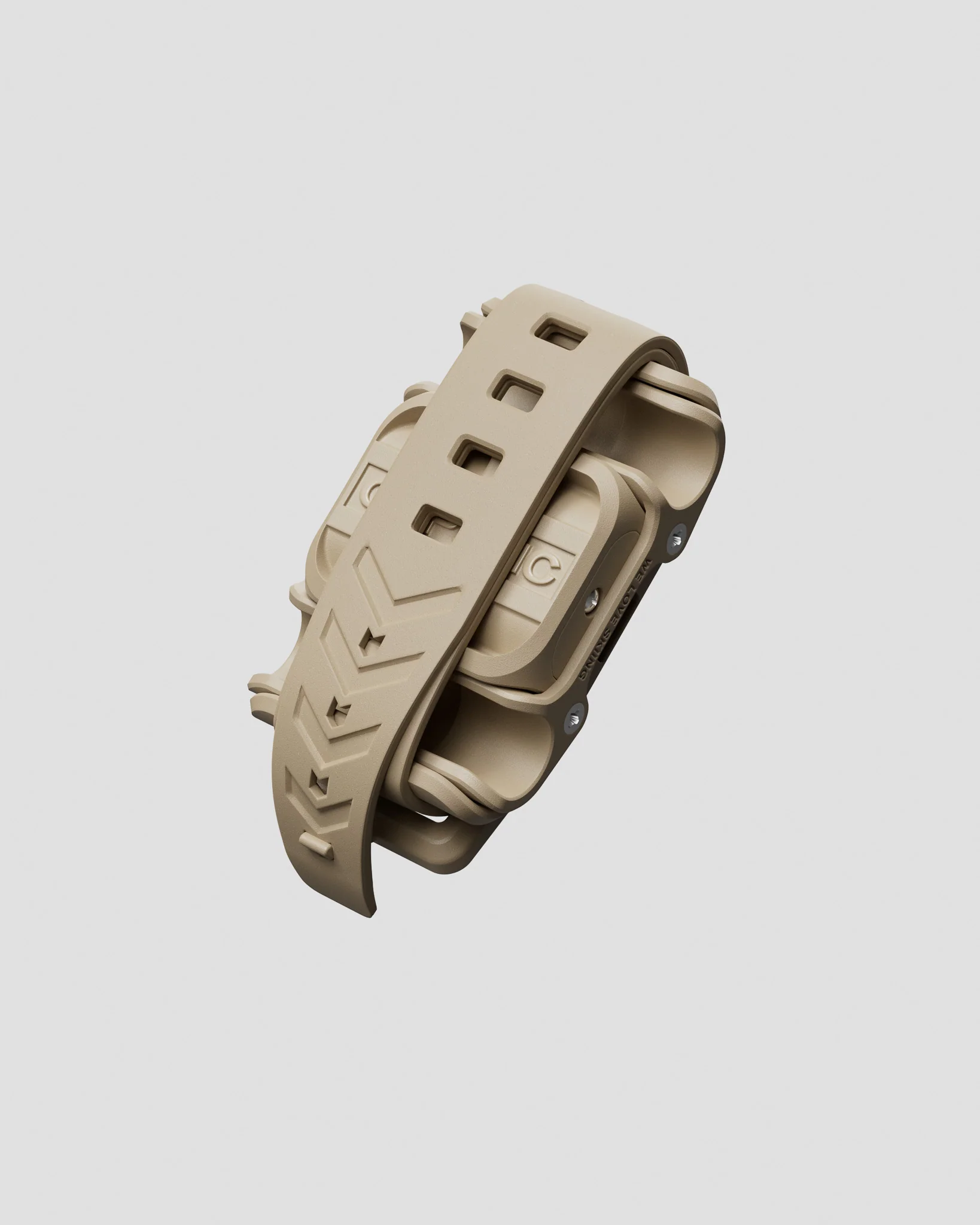
Missing a hand while carrying ski gear?
A friend of mine created Clipstic, the easy way to attach your poles to your skis! Using this link you get 10% off as well as support for Pick-a-ski!
Check it out!