Rc4 noize gs review
In‑depth Fischer RC4 Noize GS review: on‑piste stability, edge grip, Noize Control damping, M‑Plate power, and who should choose this race‑tuned GS.
Fischer’s RC4 NOIZE GS family is built for one thing: fast, precise giant‑slalom turns on firm snow. Across FIS Junior, Worldcup Women, and Junior variants you get a true race construction with wood core, titanal laminates, Race Sidewall, an M‑Plate for power transfer, and Noize Control damping that keeps chatter in check when you’re laying it over.
What stands out
- Race‑room feel: Sandwich sidewall, wood core, and titanal deliver instant edge hold and torsional rigidity.
- M‑Plate: A stiff, elevated interface that sharpens edge engagement and accelerates transitions.
- Noize Control: Noticeably calms the ski on rough, icy surfaces for smoother arcs.
- Traditional camber: No pronounced rocker; maximum effective edge and strong rebound for carved GS lines.
On‑snow performance
- Edge grip and stability: Excellent bite on boilerplate with a very “locked‑in” feel. The ski remains composed at race speeds.
- Turn shape and energy: Long‑radius bias rewards pressure and commitment. Stay centered and it returns powerful, elastic energy through the finish.
- Damping: Noize Control keeps vibrations low, so you can track confidently through ruts and ripples.
- Speed window: Comes alive as speed increases; at slow speeds it feels demanding and planky.
- Terrain/conditions: Best on groomers and injected or hard snow. Not meant for bumps or off‑piste.
Who is it for (and who not)?
- Best for: aspiring racers, masters, and strong technical skiers who want stable, fast GS arcs on hard snow.
- Not for: casual cruising, short‑turn skidding, or riders seeking playful, all‑mountain versatility.
Specs and what they mean
- Rocker/Camber: Traditional camber (race camber). Maximizes effective edge and rebound; demands good technique and pressure on the shovel.
- Sidecut (tip‑waist‑tail): Examples include 103‑64.9‑85.2 mm (FIS Junior 183–188) and 98.9‑65.1‑83.2 mm (Worldcup Women 183–188). Narrow waists and modest tails favor edge grip and directional stability in longer turns.
- Radius: About 25.3–30 m depending on variant. Long radius = built for GS speeds and clean, long arcs; not ideal for quick slalom‑style turns.
- Plate: M‑Plate race interface. Adds leverage and torsional stiffness; higher stand height quickens edge‑to‑edge.
- Construction: Wood core + titanal, Race Sidewall. High torsional rigidity for ice‑hold and precise feedback.
- Weight: Approx. 2420 g per ski at 178 cm (reseller data; may include plate/binding depending on listing). More mass aids calmness and stability at speed.
- Available lengths: 123–188 cm across junior/FIS variants; common FIS sizes are 183 and 188.
Note: Exact sidecut/radius vary by length and product number. Verify your specific PN/length for precise figures.
Comparisons
- Atomic Redster G9 RS: similarly race‑focused; Atomic initiates a touch more abruptly, Fischer feels calmer mid‑arc.
- Head Worldcup Rebels e‑GS RD: brutally strong and direct; Fischer offers comparable edge hold with a quieter ride.
- Rossignol Hero Athlete GS: a bit more “lively” in the transition; Fischer is more locked‑in on edge.
- Want friendlier GS feel? Consider Fischer RC4 The Curv or consumer GS alternatives (Redster G9, Firebird WRC, etc.).
Setup tips
- Mounting: Use the prescribed M‑Plate position; minor fore/aft tweaks can fine‑tune tip pressure.
- Tuning: Race bevels and a sharp side edge extract the ski’s best—have a race shop set it up.
- Length: Go longer for stability and FIS compliance; slightly shorter for quicker initiation within your ruleset.
Frequently asked questions
Q: Is the Fischer RC4 NOIZE GS suitable for recreational skiers?
A: Only if you like high speeds and carved long turns. At moderate pace it feels demanding; a consumer GS model will be more forgiving and versatile.
Q: What length should I choose?
A: Follow your FIS/club regulations if applicable. Otherwise, racers typically choose forehead‑plus for maximum stability; shorter (within rules) gives quicker initiation.
Q: How do Junior, FIS Junior, and Worldcup Women differ?
A: Geometry (radius/sidecut) and stiffness vary by variant and length block. FIS‑conforming skis run bigger radii; junior groups adjust geometry for each size.
Q: What does Noize Control actually do?
A: It’s Fischer’s vibration damping layer/approach that reduces chatter. The payoff is a smoother, more composed edge hold on rough, icy piste.
Key takeaways
- GS specialist for long, fast arcs on hard snow.
- Exceptionally calm and grippy; rewards strong input.
- Not playful or versatile at low speeds; built for racing.
The neighbourhood
its nearest skis on the map, by character — not by brandQuestions & opinions
User reviews
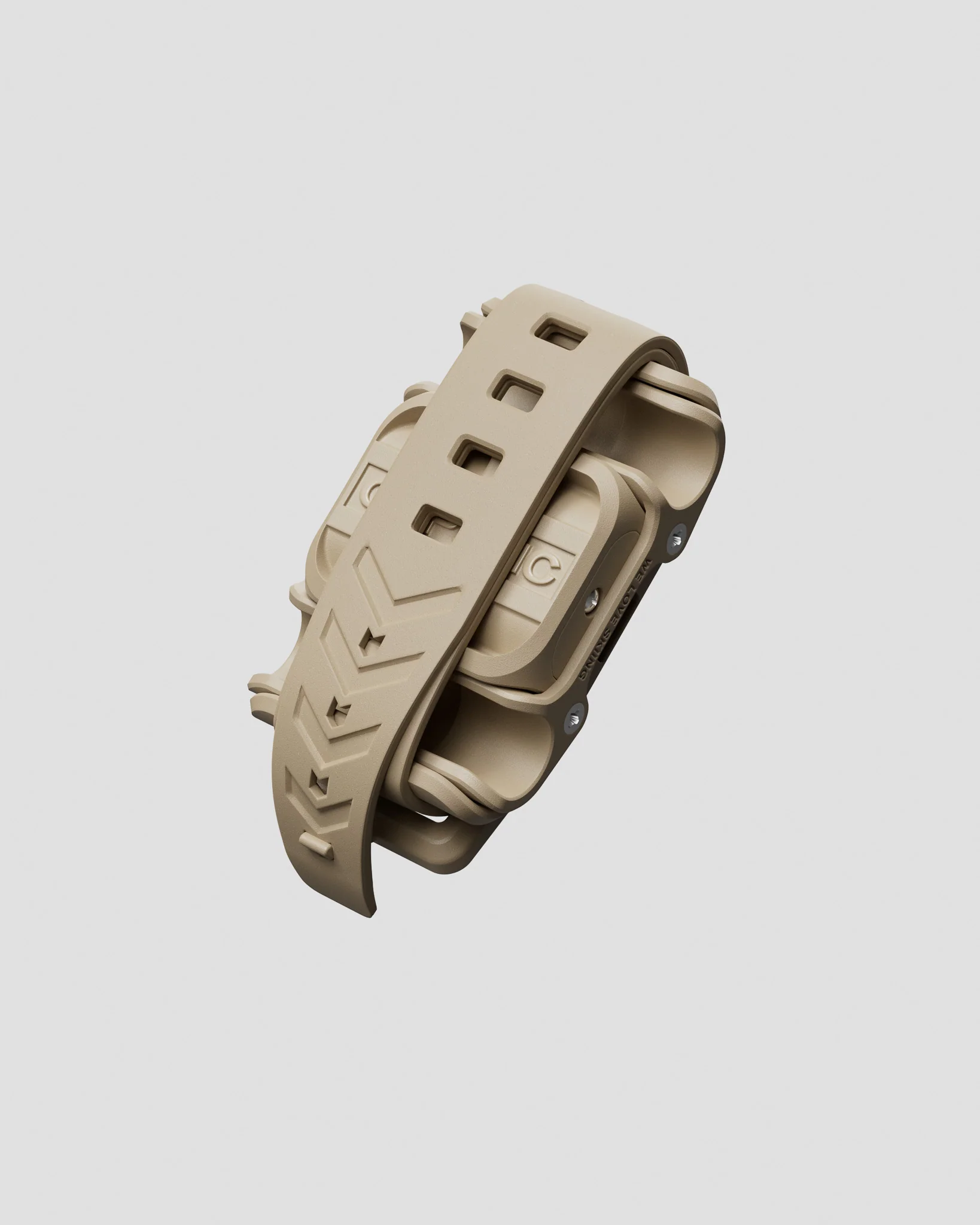
Missing a hand while carrying ski gear?
A friend of mine created Clipstic, the easy way to attach your poles to your skis! Using this link you get 10% off as well as support for Pick-a-ski!
Check it out!Not sure the Rc4 noize gs is your ski?
Answer a few quick questions and the ski selector matches you with the right skis from 800+ models — free, no sign-up.