Fischer’s widest Ranger is built for deep days, big lines, and playful, surfy turns. The Ranger 116 blends excellent float with notably good composure for its width, thanks to a solid wood core and a targeted metal plate underfoot. Advanced and expert freeriders who hunt powder and terrain features will find a confident, easy‑to‑pivot platform here.
Key takeaways
- Powder specialist: long tip/tail rocker and a wide waist deliver effortless float and quick turn initiation.
- Playful yet planted: less metal than narrower Rangers for looseness and pop, still stable enough in chop.
- Nimble for 116 mm: pivots readily in trees and tighter steeps without feeling hooky.
- Resort‑focused freeride: shines in soft and mixed snow; on true ice it’s a get‑you‑home tool.
Who is it for?
- Ideal for: advanced to expert skiers who prioritize deep powder, pillows, and natural features.
- Less ideal for: skiers seeking a daily driver or strong performance on firm groomers; a 100–110 mm ski will be more versatile.
On‑snow performance
Powder and trees
The Freeski Rocker (long tip and tail rocker with shorter contact underfoot) keeps the Ranger 116 effortlessly on top. It smears and slashes with ease, and its moderate sidecut feels predictable when threading trees or navigating tight entrances.
Chop and crud
The beech/poplar core plus Shaped Ti 0.5 underfoot yield calm, controlled feedback as the snow gets denser. It doesn’t bulldoze like a full‑metal charger, but for a 116 the stability and damping are impressive.
Steeps and drops
There’s solid support underfoot for takeoffs and landings. The partial twin‑tip encourages a playful approach to features without turning the tail into a noodle.
Groomers and hardpack
For its size, it will carve back to the lift respectably. Full sidewalls aid edge hold, and the factory tune (around 3° side/1.2° base) feels predictable. On true hard ice, you’ll remember it’s a wide freeride plank.
Construction and tech (explained)
- Beech/Poplar wood core: blends strength and vibration damping with a lively rebound.
- Shaped Ti 0.5: a targeted metal layer underfoot for stability and edge hold, with less metal in tip/tail to keep things playful.
- Sandwich sidewall: direct power transfer and durable edge support.
- Sintered base: better wax absorption and glide, especially in cold, dry snow.
- Partial twin‑tip tail: easier switch moves/landings and a playful feel.
Specs and what they mean
- Rocker profile: Freeski Rocker — long tip/tail rocker with shorter contact length. Boosts float, pivotability, and easy initiation in deep snow.
- Tip/Waist/Tail: 145–148 / 115–117 / 135–138 mm (147/116/137 mm @187). Width brings float; slightly narrower tail helps finish turns predictably.
- Radius: 19–21 m (20 m @187). Balanced blend of high‑speed stability and maneuverability in trees.
- Weight: ~2,020–2,280 g per ski (≈2,150 g @187). Enough mass for damping without killing playfulness.
- Lengths: 180 / 187 / 193 cm. Size up for speed/open terrain; size down for tight trees/quick pivots.
Note: published weights vary by length and production year. If you want exact numbers for your size/year, I can pull the official Fischer sheet or retailer tech pages.
Sizing recommendations
- 180 cm: lighter riders or tree‑hoppers prioritizing agility.
- 187 cm: sweet spot for most advanced skiers in mixed freeride terrain.
- 193 cm: heavier/very aggressive skiers, or those charging fast in open bowls.
Comparisons
- Atomic Bent 120: lighter and surfier/playful; less damping and edge hold at speed than the Ranger 116.
- Blizzard Rustler 11 (112 mm): narrower and more all‑mountain friendly on firm; Ranger 116 floats better and stays nearly as composed.
- Salomon QST Blank (≈112): better on groomers and mixed days; Ranger 116 wins on bottomless storm days.
- Armada ARV 116 JJ: ultra‑pivoty and smeary; Ranger 116 is more stable when the snow gets heavy.
- DPS Pagoda 112 RP: much lighter and extremely nimble; Ranger 116 offers superior calm at speed and in chop.
Potential drawbacks
- Too wide as a daily driver outside consistently deep regions.
- Not a full‑metal bulldozer; very good damping for 116 mm, but not a pure charger.
- Weight suits resort freeride; dedicated touring setups will prefer lighter skis.
Frequently asked questions
Q: What skier level is the Fischer Ranger 116 for?
A: It targets advanced to expert riders. Strong fundamentals help you leverage the width and length, especially in steeps and variable snow.
Q: Can the Ranger 116 be a one‑ski quiver?
A: In very snowy regions, maybe. For most skiers a 100–110 mm platform is more practical year‑round; the Ranger 116 is purpose‑built for soft snow.
Q: How does it compare to the Atomic Bent 120?
A: The Bent 120 is lighter and more playful/surfy. The Ranger 116 feels calmer and more confidence‑inspiring as speed increases or conditions get heavier.
Q: Which length should I choose in the Ranger 116?
A: 187 cm is the safe call for most advanced skiers. Go 180 cm for maximum agility or 193 cm for high speed, open terrain, and/or heavier riders.
Verdict
The Fischer Ranger 116 smartly balances playfulness with high‑speed confidence. If you want a powder day specialist that still keeps its cool in chop and rewards creative skiing, it’s a trustworthy, fun‑forward choice.
The neighbourhood
its nearest skis on the map, by character — not by brandQuestions & opinions
User reviews
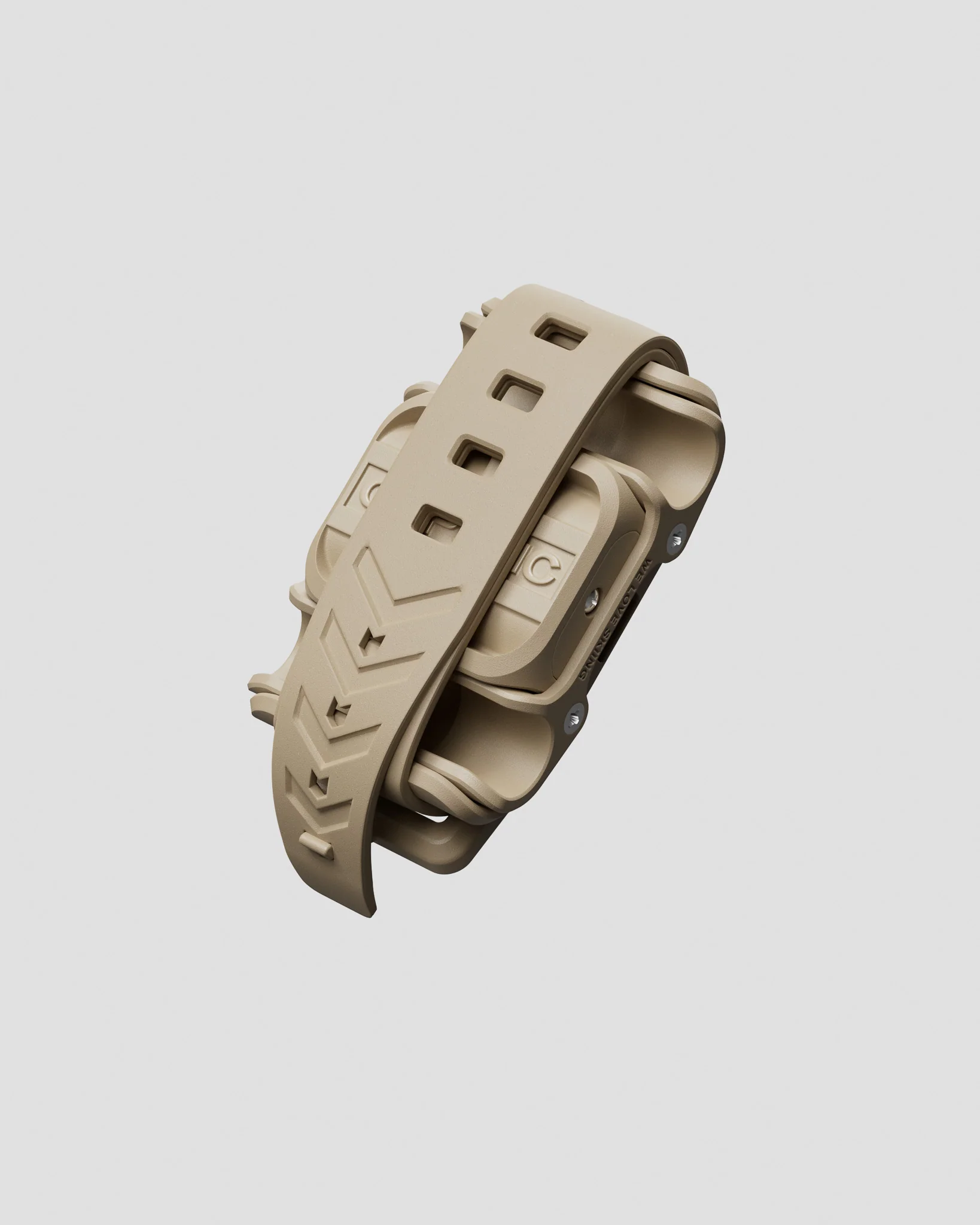
Missing a hand while carrying ski gear?
A friend of mine created Clipstic, the easy way to attach your poles to your skis! Using this link you get 10% off as well as support for Pick-a-ski!
Check it out!Not sure the Ranger 116 is your ski?
Answer a few quick questions and the ski selector matches you with the right skis from 800+ models — free, no sign-up.