Overview
The Fischer Nightstick Jr is a playful, lightweight twin tip built for young skiers who want to learn their first rails, boxes, and jumps without giving up everyday piste versatility. A Freeski Rocker profile (early-rise tip and tail with camber underfoot), durable extruded base, and forgiving flex add up to confidence in the park and easy handling across the mountain. Note that Fischer offers two distinct length groups with different sidecuts and radii, which noticeably changes the feel between shorter and longer sizes.
On-snow performance
Park & switch
- Very low swing weight: spinning and skiing switch feel natural and low effort.
- Forgiving flex: easy to butter and press, great for building trick fundamentals.
- Landings: supportive for small-to-mid jumps; on big features, you’ll feel the junior construction sooner.
Groomers & all-mountain
- Short group (91–121 cm, 70 mm waist, 10 m radius) pivots quickly and feels lively at low-to-moderate speeds.
- Long group (131–161 cm, 78 mm waist, 15.5 m radius) tracks straighter and holds an edge better at speed, but is less hyper-nimble.
- On truly icy surfaces, grip is adequate for a park-oriented junior ski, though not race-like.
Bumps & soft snow
- Rocker and twin-tip shape help in bumps and pushed-around snow. The narrow waist limits true powder float.
- The extruded base is low-maintenance and forgiving on rails, albeit not the fastest for pure speed.
Construction & specs explained
- Freeski Rocker (early-rise tip & tail + camber): blends easy turn initiation and forgiveness with camber pop and edge hold.
- Twin Tip: identical forward/backward performance for switch skiing and park tricks.
- Air Power Construction + Fiber Tech: lightweight and compliant, lowering swing weight for easier spins; less torsional rigidity than burlier builds.
- Extruded base: durable, easy to repair, and low-maintenance; slower than sintered bases for top speed.
- Junior Rail System (JRS) with FS4/FS7 JRS bindings: kid-friendly step-in and adjustability; DIN ranges suit juniors.
Key specs (two length groups)
- Tip/waist/tail: 94/70/78 mm (91–121 cm) • 117/78/104 mm (131–161 cm) What it means: narrower waists = quick edge-to-edge; the longer group’s broader tip/tail adds landing support and stability.
- Radius: 10 m (91–121 cm) • 15.5 m (131–161 cm) What it means: shorter radius = nimble and easy to steer; longer radius = calmer at speed.
- Weight: about 950 g per ski What it means: low swing weight reduces fatigue and makes spins and quick moves easier.
- Lengths: 91, 101, 111, 121, 131, 141, 151, 161 cm What it means: wide size span for growth and skill; remember the two molds feel different.
Who is it for?
- Beginner to advancing junior freestylers building confidence on features and skiing switch.
- Parents/coaches seeking a light, forgiving, durable package with kid-friendly bindings.
- Less ideal for: high-speed carving on ice, very large jumps, or true powder days.
Sizing guidance
- Park focus: around skier height to -5 cm for balance in the air and on landings.
- All-mountain/learning: chin- to nose-height for quicker pivoting and confidence.
- Heavier/more aggressive kids: size up within the group; note the 131–161 cm group feels more stable with a longer turn radius.
Mounting, tune, and setup tips
- Mount: true center to -2 cm for park; -3 to -4 cm if used mainly all-mountain.
- Tune: 1° base / 1–2° side; lightly detune tips/tails for rail work.
- Check JRS DIN: FS4/FS7 covers most juniors; stronger/heavier kids may top out the range sooner.
Comparisons
- Atomic Punx Jr: even more playful and often a touch softer; similar park focus, less high-speed stability.
- K2 Poacher Jr: a bit stiffer and more supportive on landings, typically a little heavier.
- Armada ARV 84 R: wider underfoot for stability outside the park, but not as quick and usually pricier.
- Line Tom Wallisch Shorty: the most forgiving and butter-friendly; offers less bite on firm groomers.
Key takeaways
- Light and forgiving: perfect for first spins, rails, and switch skiing.
- Two distinct molds: shorter sizes are ultra-nimble, longer sizes are calmer and more stable.
- Durable extruded base: great for park abuse and low maintenance, though not the fastest.
Frequently asked questions
Q: Is the Fischer Nightstick Jr good for beginners?
A: Yes. Its forgiving flex, low swing weight, and Freeski Rocker make learning turns, braking, and small jumps approachable. It’s a junior park ski that doubles as a daily driver.
Q: What size should I get?
A: For park, choose around skier height to 5 cm shorter. For all-mountain, go chin- to nose-height. Remember the 131–161 cm group has a longer radius and feels more stable than the 91–121 cm group.
Q: How does it handle ice?
A: Camber underfoot helps, but it’s still a lightweight park-oriented ski. Edge hold is adequate for juniors; on boilerplate, a dedicated carving ski grips better.
Q: Is the extruded base a drawback?
A: Not for park use. It’s robust, easy to fix, and low-maintenance. For pure speed, a sintered base runs faster but is less forgiving on rails.
The neighbourhood
its nearest skis on the map, by character — not by brandQuestions & opinions
User reviews
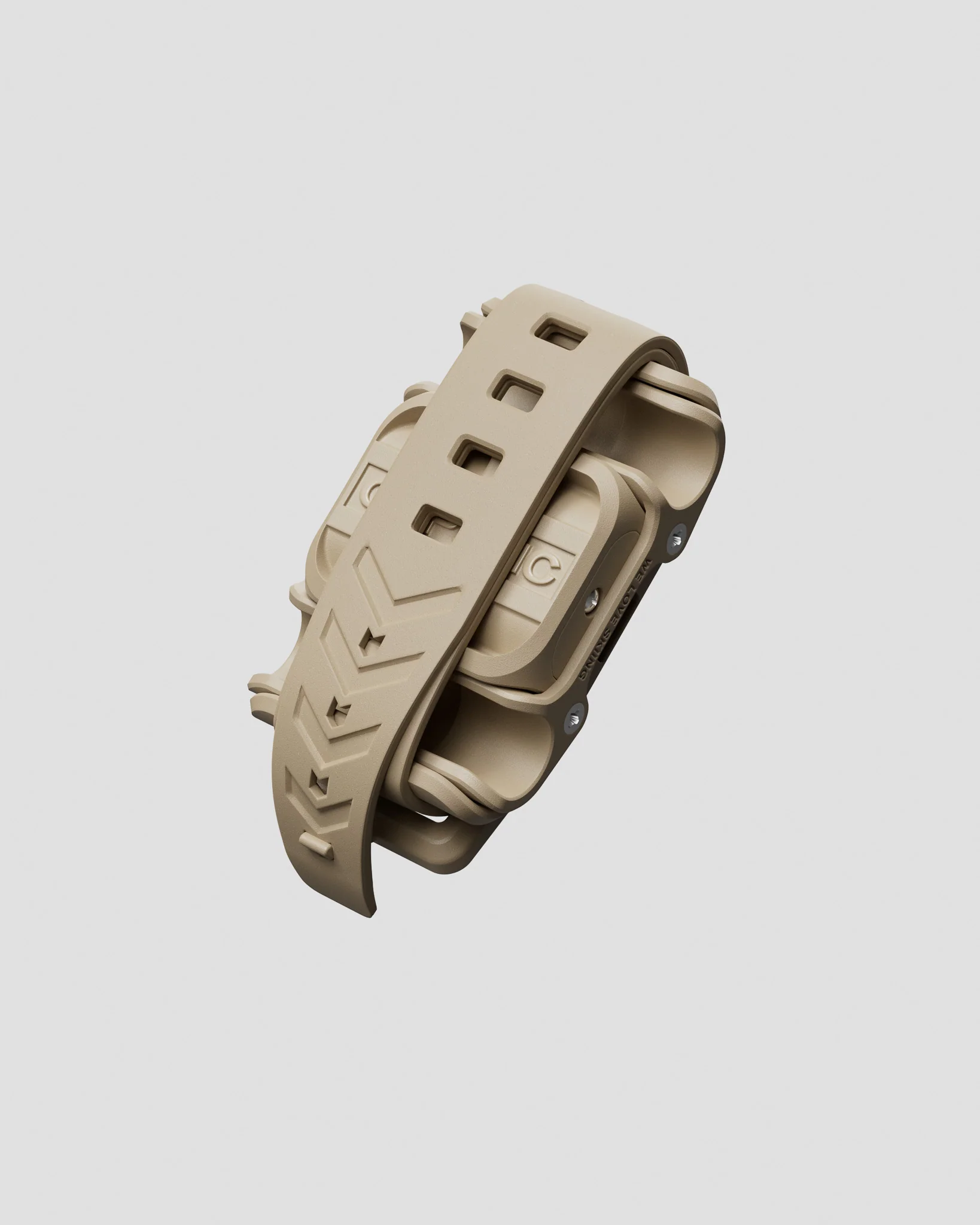
Missing a hand while carrying ski gear?
A friend of mine created Clipstic, the easy way to attach your poles to your skis! Using this link you get 10% off as well as support for Pick-a-ski!
Check it out!Not sure the Nightstick jr is your ski?
Answer a few quick questions and the ski selector matches you with the right skis from 800+ models — free, no sign-up.