First impressions
The Dancer 4 immediately presents itself as a serious freeride tool: wide enough to inspire confidence in deep snow, yet structured enough to hold up at speed without chatter. Its 116 mm waist translates to substantial float and the tip-and-tail rocker helps the ski initiate turns and release from slashes smoothly. The roughly 4 mm of camber underfoot provides rebound and grip when you load the ski, so compressions and firmer sections stay controlled. In varied big-mountain terrain this ski feels like a stable platform for charging lines and stomping landings.
Construction and specs explained
Construction blends a lightweight poplar core with dual-span Titanal, full-strength sidewalls and XL 2.5 mm edges. Poplar keeps lively flex and reduces mass; the dual Titanal layers add damped stability and edge power without turning the ski into an absolute brick. Sidewalls and beefy edges ensure reliable grip on harder snow and during long edge angles. The dimensions (141/116/131 mm) mean pronounced float and a full shovel for chop, while the camber and rocker lengths (e.g., 179 cm: tip 410 / tail 250 mm) balance buoyancy with edge transmission. Overall mass is reasonable for this category.
Powder and big‑mountain performance
In deep snow the ski really shines: the 116 mm waist combined with longish rockers gives confident float and a forgiving ride over chop. The modern freeride tail with a touch of rocker lets you slash and recover easily after airs. The camber underfoot maintains pop through compressions so jumps and ollies remain lively. Dual-span Titanal keeps the platform stable at speed, so you can drop steep lines and carry tempo without the nose diving or the tail getting skittish. It’s built to be charged.
Hardpack, edgehold and turning
On hardpack and groomers the Dancer 4 is not a nimble piste ski, but it performs respectably: the Titanal and sidewall construction translates to good edge hold and predictable behavior at speed. The relatively large turn radii (for example 185 cm ≈ 23 m) means this ski prefers long, committed arcs over quick short turns. Its weight and width make rapid edge-to-edge transitions feel more deliberate. If you spend significant time on icy pistes or want an all-mountain daily-driver, expect some trade-offs in agility and quickness.
Who it's for and verdict
This ski suits riders who demand a stable, damp and buoyant big-mountain tool rather than a lightweight powder specialist or a snappy piste racer. Compared to other 112–118 mm freeride boards it offers an especially balanced mix of float, stability and playful tail behavior for slashes and landings. Sizing guidance: pick a length near your normal downhill size for control, or go a touch longer (+5–10 cm) for extra float. The manufacturer recommends a progressive mount for balanced turn initiation and tail release.
The neighbourhood
its nearest skis on the map, by character — not by brandQuestions & opinions
User reviews
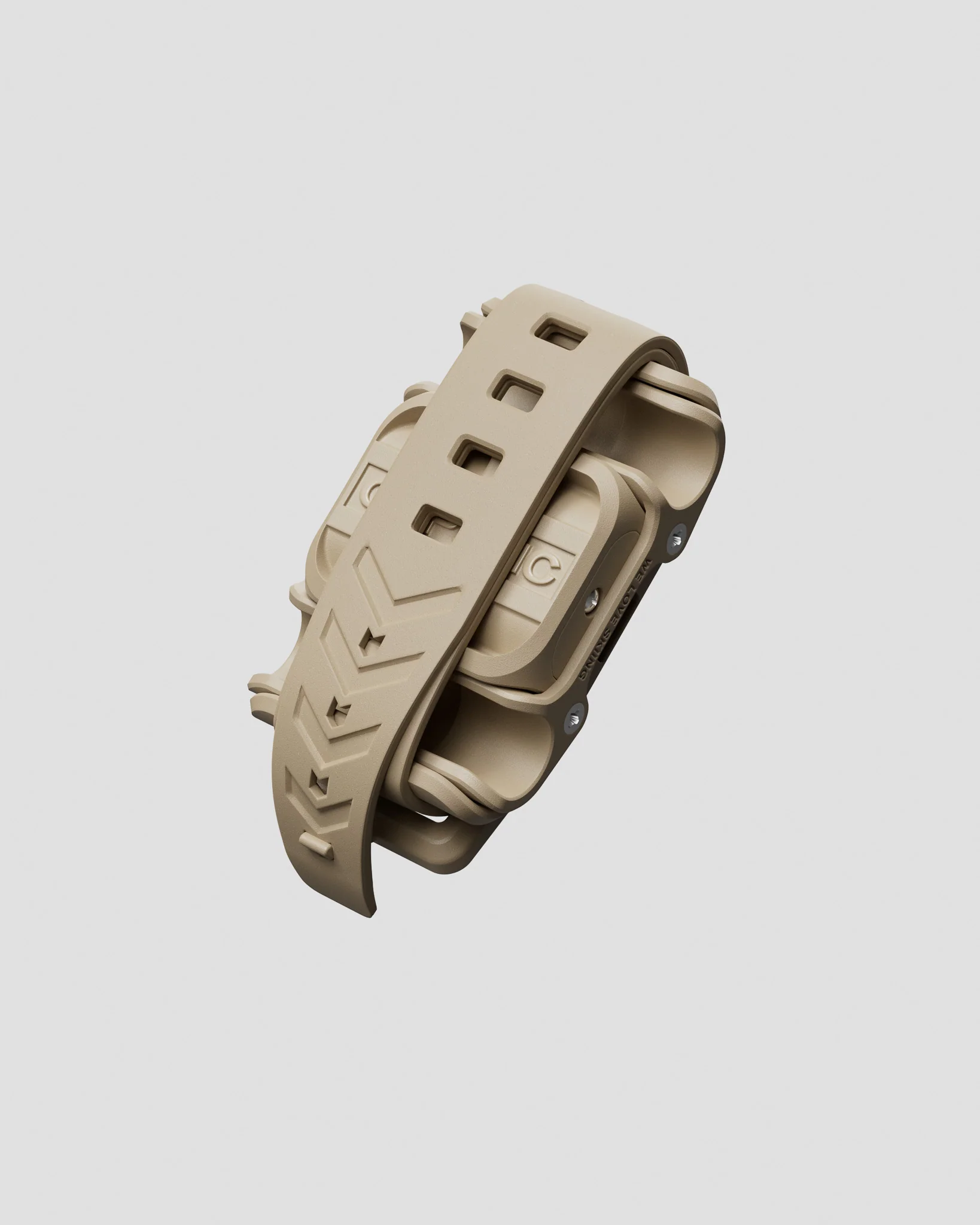
Missing a hand while carrying ski gear?
A friend of mine created Clipstic, the easy way to attach your poles to your skis! Using this link you get 10% off as well as support for Pick-a-ski!
Check it out!Not sure the Dancer 4 is your ski?
Answer a few quick questions and the ski selector matches you with the right skis from 800+ models — free, no sign-up.