Overview
The Ripstick 106 W positions itself as a women‑specific, powder‑oriented all‑mountain ski that blends playfulness with enough stability for bigger lines. With a 106 mm waist it immediately feels at home in soft, unconsolidated snow, yet remains reasonably manageable on tracked runs. The construction and Amphibio profile offer a buttery turn initiation and surprisingly secure edge hold when conditions firm up. This model is aimed at riders who want to explore off‑piste terrain without carrying an overly heavy, demanding ski underfoot.
Construction and key specs
Construction uses Carbon Deck Technology (carbon rods and UD carbon strips), a TubeLite woodcore, a flax fiber damping layer, SST sidewalls and a sintered base. The Amphibio rocker/camber hybrid places more rocker on the outside edge for maneuverability and more camber on the inside edge for effective edge grip. Geometry (nominal example 139/106/119 mm) affects float and turn behavior; turn radii range from about 15.8–18.8 m across lengths. Weight ranges roughly 1520–1725 g per ski depending on size, classifying it as light to medium light.
On‑snow performance
On snow the Ripstick 106 W skis lively and playful: it offers strong float in deep snow thanks to the broad tip and waist, and it links turns smoothly because of the asymmetric Amphibio profile. Carbon elements add snap and stability through compressions while the flax layer soaks up high‑frequency vibrations for a more composed feel. In wind‑blown or tracked powder the ski keeps you afloat; on hardpack it performs adequately for the category, though riders who spend most time on piste at speed may feel its limits sooner than with heavier big‑mountain skis.
Ideal rider and comparisons
The ideal rider is a woman who wants a lightweight, nimble freeride ski that excels in soft snow but still offers reliable edge control for mixed conditions. Compared with similar wide women’s skis—think QST 106 W or the Sheeva family—the Ripstick often feels livelier and lighter with a quicker turn initiation thanks to Amphibio tech. If you prioritize outright stability at very high speed or need maximum edge bite on firm glaciers, heavier camber‑dominant skis remain better choices.
Pros, cons and mounting notes
Pros: excellent powder float, playful and light handling, surprisingly strong edge grip for its width, and effective vibration damping from flax and carbon. Cons: less absolute high‑speed stability and dampness than heavier freeride skis, and sizing matters because tip/tail widths and radius change with length. For mounting, a brake width around 110–120 mm suits the 106 mm waist; the full sidewall construction supports reliable binding mounting and tuning. Would you like the same data as CSV, a full spec for a specific length, or current retailer prices/stock?
The neighbourhood
its nearest skis on the map, by character — not by brandQuestions & opinions
User reviews
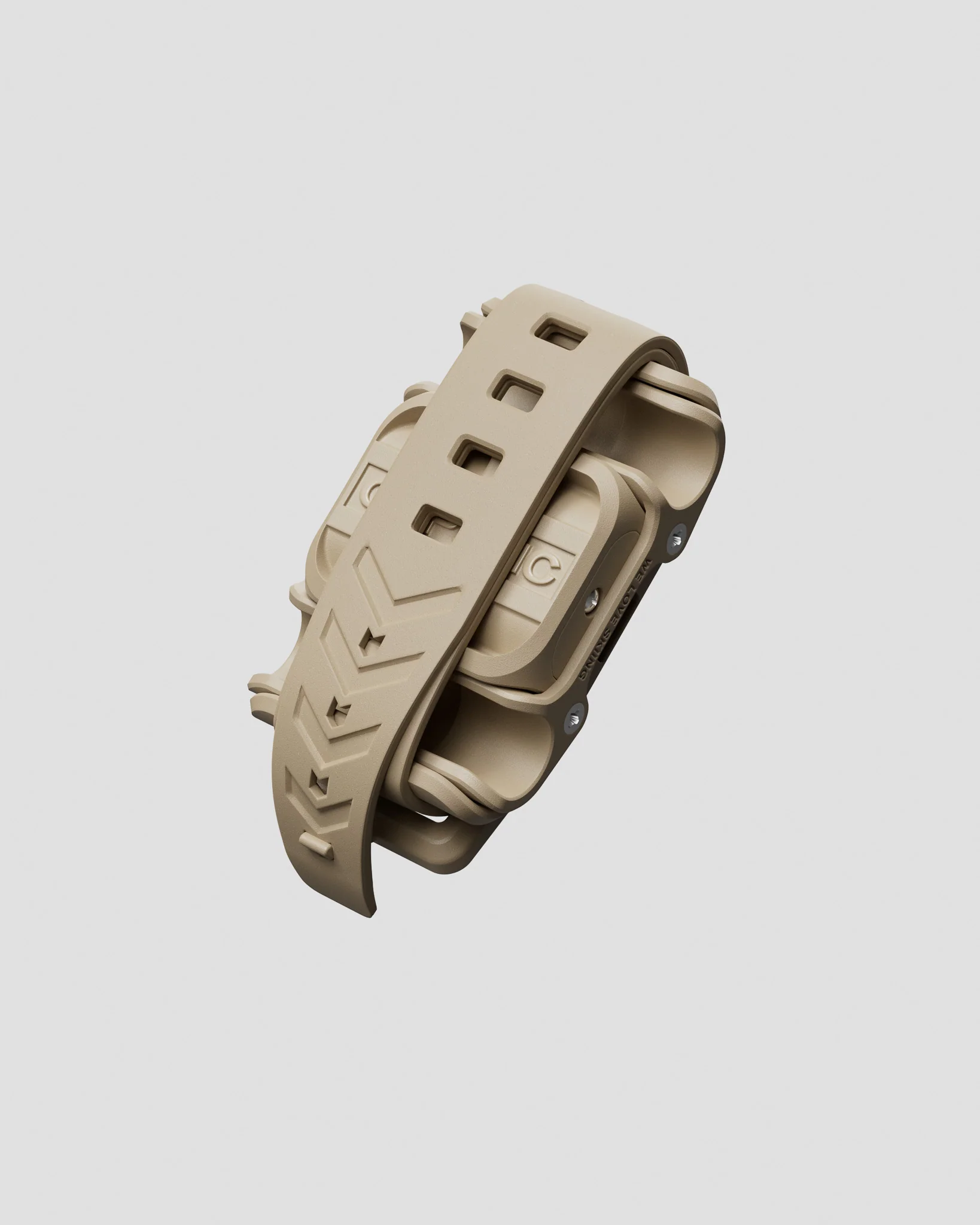
Missing a hand while carrying ski gear?
A friend of mine created Clipstic, the easy way to attach your poles to your skis! Using this link you get 10% off as well as support for Pick-a-ski!
Check it out!Not sure the Ripstick 106 w is your ski?
Answer a few quick questions and the ski selector matches you with the right skis from 800+ models — free, no sign-up.