Overview and intended use
The Lynx 82 is a lightweight touring ski aimed at fitness-oriented skiers who prioritize uphill efficiency while still expecting confident, controlled descents. It’s built for day tours, fitness outings and backcountry laps where low mass and energetic climbing performance matter. With an 82 mm waist and relatively narrow tail, the ski emphasizes quick transitions and economical energy use on long ascents, while still offering predictable behavior on common backcountry terrain rather than extreme powder or high-speed UIAA testing.
Construction, technologies and spec explanations
Construction focuses on saving grams without sacrificing necessary strength: an AirLite Laminated Woodcore combined with carbon reinforcement keeps weight down while preserving rebound and torsional rigidity. The Titanal binding reinforcement plate allows secure mounting of bindings, and the EST Touring sidewall is optimized for reduced mass. A sintered base improves glide on skins and flats. The Early Rise Rocker in the tip makes turn initiation easier, and the 121/82/103 geometry plus radii from 13 to 19.6 meters define the ski’s balance between nimble short turns and stable longer arcs.
Uphill and downhill performance
On the climb the ski performs very efficiently; the low weight and responsive core reduce fatigue and make kick-turns and skinning feel snappy. The rocker tip helps when initiating turns on variable snow and prevents the tip from catching on uneven skin tracks. Descending, the ski is surprisingly composed for its class: it holds an edge well on harder snow and feels predictable in chopped or wind-affected conditions, although at high speed it lacks the heavyweight dampening of metal-laminated touring skis. The 103 mm tail assists with turn release and stability when finishing arcs.
Comparisons and who it's for
Compared to other light fitness touring skis in the 80–85 mm waist range, the Lynx 82 stands out for its balance of low weight and sufficient torsional stiffness. It’s livelier and more efficient uphill than heavier all-mountain touring skis, but more forgiving and stable downhill than ultra-race-focused carbon-only race boards. If your days are mostly about long climbs with playful descents, this ski is a strong middle-ground. If you demand hard-charging at high speeds in very rough conditions, a heavier, metal-reinforced model will feel more secure.
Buying advice, pros and cons
Buying advice: select length according to your weight and preferred turn size — shorter lengths (150–157 cm) deliver tighter turn radii and quicker handling, longer lengths (171–178 cm) add stability at speed. Pair the ski with a light but stiff touring binding that’s compatible with a Titanal mounting plate. Strengths are low weight, good glide and confident all-around downhill feel for a fitness ski; weaknesses include less high-speed damping and limited float in deep powder. Overall, it’s an excellent choice for fit tourers prioritizing uphill efficiency.
The neighbourhood
its nearest skis on the map, by character — not by brandQuestions & opinions
User reviews
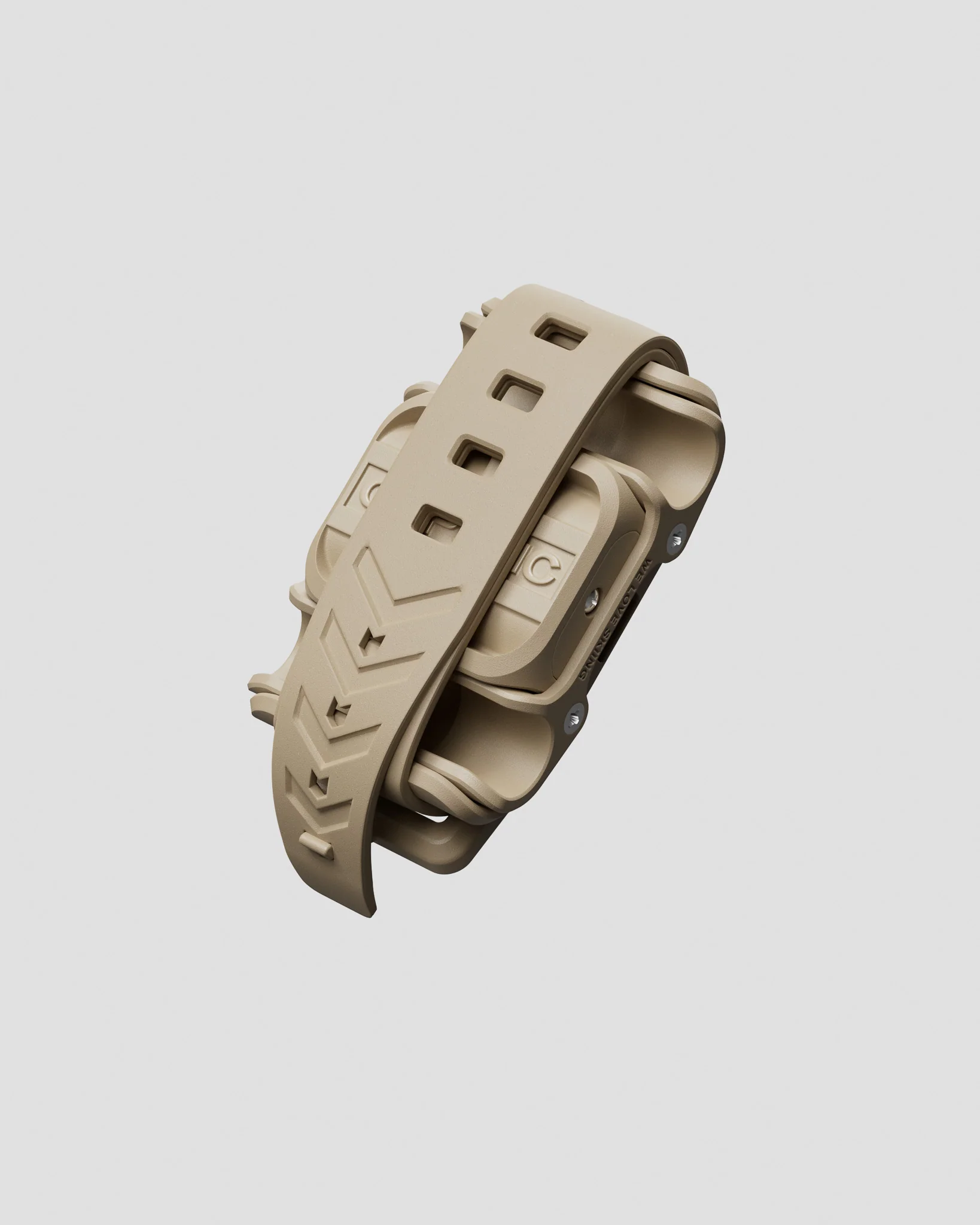
Missing a hand while carrying ski gear?
A friend of mine created Clipstic, the easy way to attach your poles to your skis! Using this link you get 10% off as well as support for Pick-a-ski!
Check it out!Not sure the Lynx 82 is your ski?
Answer a few quick questions and the ski selector matches you with the right skis from 800+ models — free, no sign-up.