Speed 350 review
Detailed review of the Dynastar Speed 350: Hybrid Core 2.0, Omega Fiber, sandwich full sidewall, tip rocker, Xpress 11 GW.
Overview
The Speed 350 is the intermediate step in Dynastar's Speed piste line: above the cap-built Speed 250, below the metal-reinforced Speed 450. It carries over unchanged into 26/27 as a system ski with the Look Xpress 11 GW B83 binding. Dynastar writes that it was "designed for intermediate skiers looking to master carving" and that the shape is inspired by its slalom race skis, with a short radius that encourages confident carving. The geometry: 120-71-105 mm and a 12 m radius at 155 cm, growing to 121-73-106 mm and 16 m at 178 cm. The build is a sandwich full-sidewall construction around the Hybrid Core 2.0 with unidirectional fiberglass and Omega Fiber wrapped around the wood core, but no metal.
On-snow performance
On paper the Speed 350 is a short-turn learning carver. The 71–73 mm waist and 120 mm tip give a 12–14 m radius in the three shorter lengths, so turns should link easily at the moderate speeds where intermediates spend their day. The moderate tip rocker is meant to make flat pivoting easier and keep the ski tolerant at the start of the turn, while camber underfoot lets the full edge work once the ski is tipped. Without metal, the construction suggests a lighter, more playful feel than the Speed 450, and the sandwich sidewall should still give decent grip on firm groomers; the Hybrid Core 2.0 is Dynastar's way of absorbing vibration without adding weight. The flip side is the same for every no-metal carver: on icy, rutted pistes at high speed it will be less calm than the 450, and the narrow waist means it has nothing to offer in soft snow.
Construction & specs explained
- Core: Hybrid Core 2.0 — bi-directional poplar combined with polyurethane for a smooth ride and controlled weight.
- Construction: sandwich with full-length sidewalls; Dynastar's description also mentions ABS sidewalls that channel energy to the edge.
- Reinforcement: unidirectional fiberglass; Omega Fiber wraps the wood core for stability and power at speed. No titanal.
- Sidecut: Adaptativ sidecut for a smoother transition between the waist and the tip/tail shapes.
- Profile: Tip Rocker — moderate rocker in the tip only, camber underfoot.
- Base and durability: sintered HD base, semi-integrated tip protector and reinforced topsheet (Reinforced Durability).
- Binding: Look Xpress 11 GW B83 Black Blue Steel, DIN 3.5–11, 73–83 mm brake, 720 g per binding, tool-free adjustment for 260–385 mm soles, alpine and GripWalk compatible.
- Dimensions and radius: 120-71-105 mm / 12 m (155), 120-72-105 / 13 m (164), 121-72-106 / 14 m (170), 121-73-106 / 16 m (178).
- Weight: 1,400 / 1,500 / 1,600 / 1,700 g per ski (Dynastar's 26/27 catalogue, listed per pair and halved).
Who it's for & comparisons
This is a ski for intermediates who have outgrown rental gear and want to learn proper carved turns on groomers, with an included binding whose DIN range covers most adults. In the line, the Speed 250 is the cheaper cap-construction beginner model and the Speed 450 adds Omega Ti metal inserts for advanced skiers; the Dynastar Speed 550 goes further with a Konect plate. Outside the brand, the Salomon S max 8 is the direct system-ski rival at the same level, the Head Supershape e v5 is a similar intermediate carver with Head's Graphene build, and the Rossignol Forza 30d is the equivalent from Dynastar's sister brand with a 74 mm waist and more tip rocker.
Pros, cons and verdict
Pros
- Slalom-inspired 12–14 m radius in the shorter lengths makes carving easy to learn.
- Sandwich full-sidewall construction is a step up from cap-built beginner skis.
- Hybrid Core 2.0 and Omega Fiber keep weight down without going harsh.
- Xpress 11 binding included, DIN 3.5–11, GripWalk compatible.
Cons
- No metal, so less calm than the Speed 450 on icy pistes at speed.
- Pure piste ski with no soft-snow ability.
- System binding cannot be swapped and stops at DIN 11.
- Confident carvers will outgrow it within a season or two.
Verdict: The Speed 350 is a well-judged learning carver: short radius, a proper sandwich build and a capable binding at a mid-range price. If you already carve clean arcs at speed, spend the extra on the Speed 450's metal; if you are a true beginner, the 250 is enough.
The neighbourhood
its nearest skis on the map, by character — not by brandQuestions & opinions
User reviews
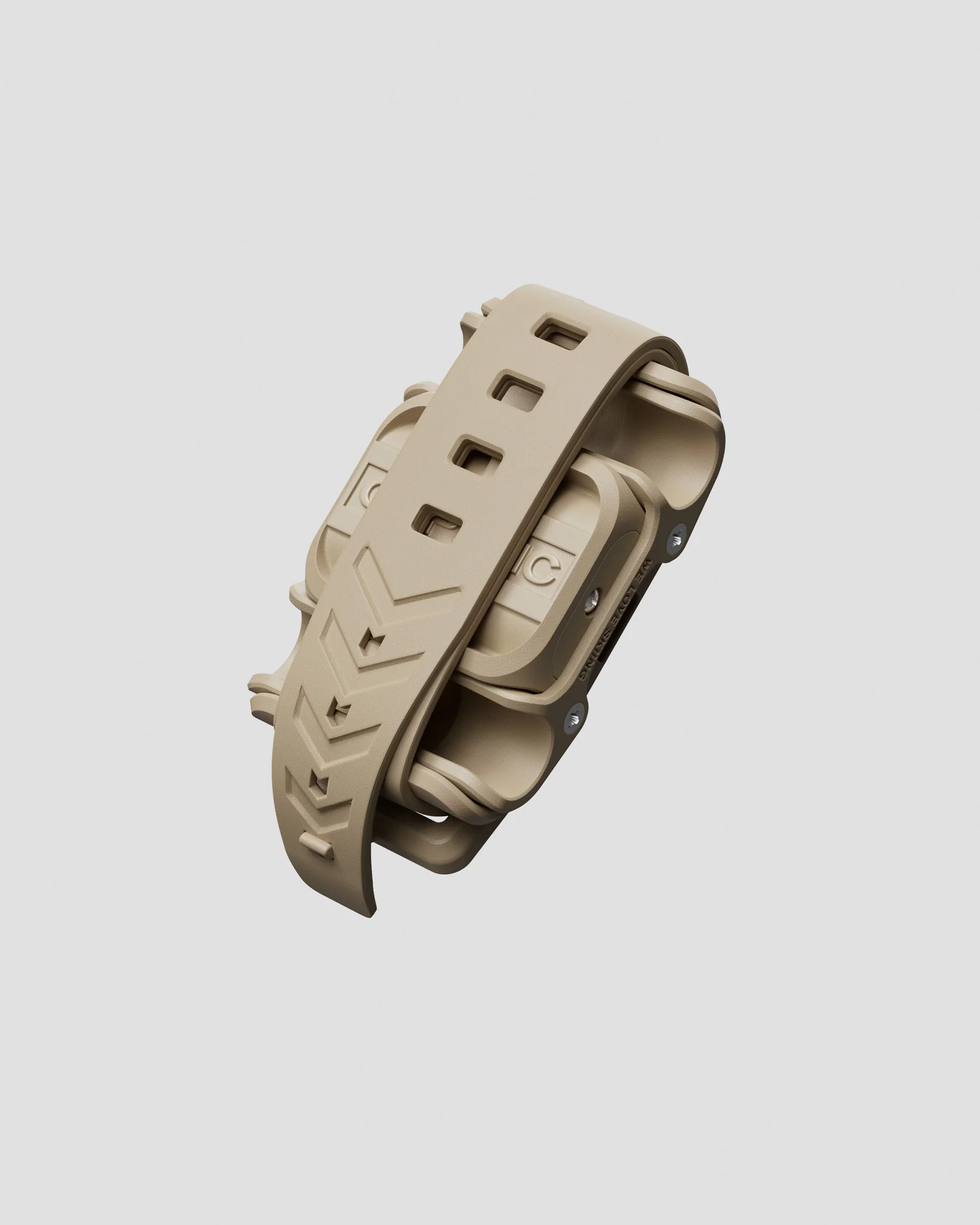
Missing a hand while carrying ski gear?
A friend of mine created Clipstic, the easy way to attach your poles to your skis! Using this link you get 10% off as well as support for Pick-a-ski!
Check it out!Not sure the Speed 350 is your ski?
Answer a few quick questions and the ski selector matches you with the right skis from 800+ models — free, no sign-up.