Dynastar’s M‑Tour 108 (F‑Team) is a free‑touring ski that hits a sweet spot: light enough for big vert, yet substantial enough to enjoy the downhill when conditions get mixed. With a 108 mm waist, progressive rocker, HybridCore 2.0, and basalt reinforcement, it floats easily, pivots predictably, and maintains better composure than many ultralight powder touring skis.
On‑snow performance
- Powder and soft snow: The tapered, rockered shovel planes up quickly and starts turns with little input. Camber underfoot adds rebound and directional feel; the relatively flat tail supports you when finishing turns or landing small airs. It’s directional rather than surfy—best skied forward.
- Chop and windbuff: For a ~1.4–1.5 kg ski, the M‑Tour 108 is impressively calm. Basalt plus full sidewalls help reduce flutter. There’s still a speed limit in refrozen or dense chop versus heavier, metal‑laminate freeride skis.
- Firm snow: Grip is solid for the class thanks to the sandwich construction and medium camber. Fine for skin‑track exits and connecting groomers, but it’s not a hard‑snow carver.
Uphill efficiency
- Weight: About 3.0 kg per pair (179) keeps legs fresher on long days.
- Handling: Moderate tail rocker helps with kick turns; the supportive tail holds skin clips well. At 108 mm, it’s wide on bulletproof skin tracks—consider narrower if you regularly tour on very firm snow.
Mounting and setup
- Directional shape that works best on the recommended line; going ~–1 cm adds tip support in deep snow.
- Binding picks: lightweight free‑tour bindings (ATK FR series, Marker Alpinist, Salomon/Atomic MTN). Pair with a progressive‑flex touring boot for downhill confidence without a big weight penalty.
Who is it for?
- Backcountry skiers prioritizing powder and soft‑snow performance who still want enough precision for mixed conditions.
- Riders who prefer a predictable, directional feel over an ultra‑stiff charger or a playful twin.
- Less ideal as your only ski if you spend lots of time on hardpack or resorts; consider something narrower or heavier.
Comparisons
- Atomic Backland 107: similar weight; looser and surfier, with less edge hold than the Dynastar on firm snow.
- Salomon QST Echo 106: slightly narrower, more all‑around; comparable uphill with a touch more damping on hard snow.
- Blizzard Zero G 105: lighter and stiffer, better on steep/firm, but far less forgiving and harsher in chop.
- Black Crows Corvus Freebird: heavier and more composed at speed; requires stronger input than the M‑Tour 108.
- Dynafit Free 107: even lighter and looser feel, but less backbone and precision in variable snow.
Specs explained
- Rocker profile: Progressive tip/tail rocker with medium camber—easy float and pivoting with dependable edge grip and energy underfoot.
- Sidecut (tip/waist/tail): 134–136 / 106–108 / 124–126 mm by length—a big shovel for flotation and quick initiation; supportive tail for finishing turns.
- Turning radius: 18 m (171) / 20 m (179) / 22 m (187)—medium‑long radii for stability and smooth arcs.
- Weight: About 3.0 kg per pair (179); many tests show ~1,350–1,530 g per ski—efficient on the climb with respectable downhill composure.
- Core & construction: HybridCore 2.0 (light poplar + PU) with basalt and unidirectional fiberglass; full sidewalls; sintered base—aims to damp vibrations better than carbon‑only ultralights without adding much mass.
Sizing
- 171 cm: lighter/smaller skiers or tight trees/couloirs.
- 179 cm: the sweet spot for most average‑size skiers.
- 187 cm: bigger, stronger skiers or those prioritizing stability/float.
Key takeaways
- Light, not flimsy: basalt + sidewalls provide confidence in variable snow.
- Directional, predictable feel: supportive tail, easy initiation, forgiving ride.
- Powder‑forward focus: shines in soft 3D snow; adequate on firm, not a carver.
- Smart ski‑to‑weight balance: efficient on the way up, genuinely fun on the way down.
Frequently asked questions
Q: How does the Dynastar M‑Tour 108 handle firm snow?
A: For a 108 mm touring ski it grips well due to camber and full sidewalls. It’s composed on traverses and exits, but it’s not meant for high‑edge‑angle carving on ice.
Q: What bindings pair best?
A: Lightweight free‑tour models like ATK FR, Marker Alpinist, or Salomon/Atomic MTN keep weight down while offering sufficient downhill security for the M‑Tour 108.
Q: Where should I mount?
A: Start on the recommended line. If you want more tip support and float, consider moving back about 1 cm.
Q: What length should I choose?
A: Choose near your height. Go longer for stability and float, shorter for maneuverability in trees and couloirs.
The neighbourhood
its nearest skis on the map, by character — not by brandQuestions & opinions
User reviews
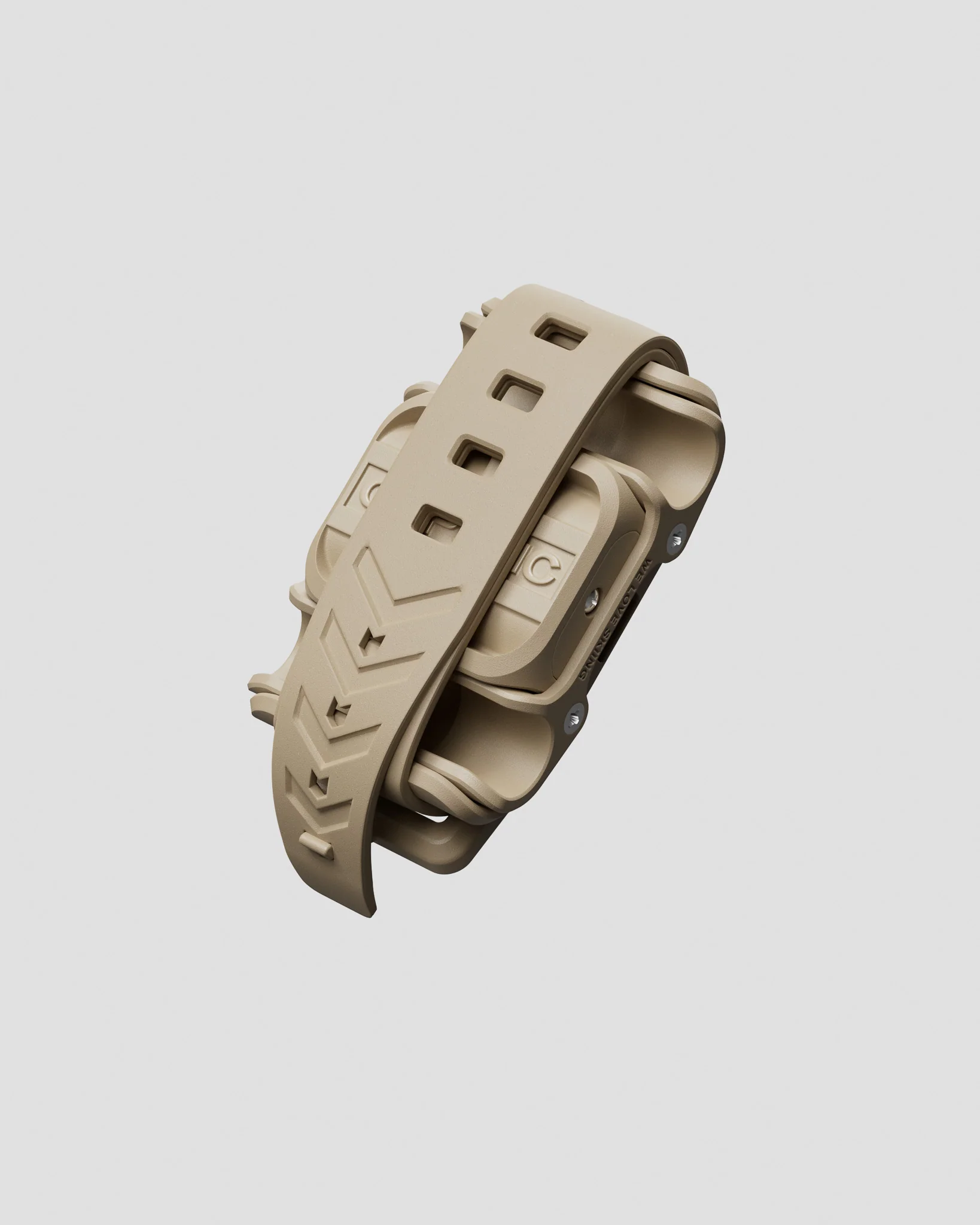
Missing a hand while carrying ski gear?
A friend of mine created Clipstic, the easy way to attach your poles to your skis! Using this link you get 10% off as well as support for Pick-a-ski!
Check it out!Not sure the M tour 108 is your ski?
Answer a few quick questions and the ski selector matches you with the right skis from 800+ models — free, no sign-up.