The Dynastar M‑Tour 100 (F‑Team / Open) is a 100 mm freeride‑touring ski that climbs effortlessly and skis with a playful, confidence‑inspiring feel. A progressive rocker profile, light Hybrid Core 2.0, full sidewalls, and a fast sintered base add up to a ski that floats in soft snow yet still carves a clean line when things get firm. Hand‑made in Sallanches, France.
On‑snow performance
- Powder & soft snow: Long, high tip rocker helps it plane quickly and smear turns without tip dive. The supportive tail finishes turns well without feeling grabby.
- Variable & crud: For its weight, the M‑Tour 100 is impressively composed at touring speeds. In heavy refrozen or deep chop there’s a clear speed ceiling—stay active and centered.
- Steeps & firm: Full sidewalls and underfoot camber give real edge hold and predictability for jump turns. On true ice it’s technique‑dependent (and tune‑dependent)—not an ice carver.
- Skintrack & kick turns: 1.28–1.43 kg per ski keeps the vert efficient. Rounded tip and flat/notched tail make skin attachment simple and secure.
- Playfulness vs precision: Nicely balanced. Easy to pivot and slarve with enough backbone to draw a line. Less directional than a Zero G 105, not as loose as a Line Vision 98.
Construction and specs (and what they mean)
- Rocker profile: Progressive tip and tail rocker with camber underfoot. Enhances float and easy turn initiation while camber retains grip and rebound.
- Sidecut by length (mm): 132/98/122 (162), 133/99/123 (170), 134/100/124 (178/186). Biggish tip aids planing; moderate tail balances support and release.
- Turn radius (m): 15/16/17/18 (162/170/178/186). Agile in tight spaces yet composed for GS‑ish arcs.
- Weight (per ski, approx): 1280/1330/1380/1430 g (162/170/178/186). True touring weight and low swing‑weight; the tradeoff is less damping at mach‑looney.
- Available lengths (cm): 162, 170, 178, 186. Size up for stability/float; size down for tight couloirs and technical trees.
- Core/laminates: Hybrid Core 2.0 (light poplar/paulownia + PU) with unidirectional fiberglass/basalt. Blends liveliness with calmness and reduces glass content.
- Construction: Full sandwich sidewalls for precise edge hold and durability on hard snow.
- Base: Sintered HD for speed and longevity—keep it waxed to maximize glide.
- Skin fix: Rounded tip and flat/notched tail for easy, reliable skin attachment.
Comparisons
- Blizzard Zero G 105: Stiffer, more precise, and better at speed on firm snow, but heavier and harsher. Choose the M‑Tour for a surfier, more forgiving ride; Zero G for technical alpinism.
- Atomic Backland 100: Similar weight but looser/softer feel. Backland pivots faster; M‑Tour feels more planted with stronger edge hold.
- Black Crows Navis Freebird: Heavier and more stable in chop (good 50/50 option). M‑Tour climbs quicker and feels livelier on big‑vert days.
- Salomon QST Echo 106: Wider with extra float for deep days; the M‑Tour is lighter and nimbler for long missions.
Mounting and length advice
- Length: If you’re between sizes, many skiers prefer the longer size due to the generous rocker. 178 works for most up to ~180 cm; 186 suits 180+ cm or faster skiers. Go shorter for technical tight terrain.
- Mount point: The recommended line preserves tail support for kick turns and small airs. +0.5–1 cm forward adds playfulness but reduces tail hold on steeps.
- Bindings: Pair with 250–350 g tech bindings for true touring. For 50/50 duty, a hybrid (Shift/Kingpin) works but dulls the ski’s light‑and‑fast character.
Who it’s for (and who it isn’t)
- Buy if: You want a 100 mm touring ski that’s light for big vert, floats in soft snow, and stays predictable in mixed conditions.
- Skip if: You demand resort‑level damping and crud‑smashing, or you mainly ski ice—look to Zero G 105, Navis Freebird, or a heavier 50/50 freeride ski.
Key takeaways
- Light yet capable: true touring weight with real edge bite.
- Surfy but trustworthy: easy to smear, still reliable on steeps.
- Best at touring speeds: clear speed ceiling in rough snow.
- Size with intent: consider sizing up for float and support.
Frequently asked questions
Q: What size should I get in the Dynastar M‑Tour 100?
A: If you’re between sizes, the longer length often works best given the generous rocker. 178 cm suits most up to ~180 cm tall; 186 cm if you’re taller or like speed. Go shorter for tight couloirs and technical trees.
Q: How does it compare to the Blizzard Zero G 105?
A: The Zero G 105 is stiffer, more precise, and better on firm snow at speed, but it’s less forgiving and a bit heavier. The M‑Tour 100 is surfier and more fun for long tours and mixed conditions.
Q: Are skins easy to attach, and what width should I buy?
A: Yes—rounded tip and flat/notched tail make it straightforward. A 120 mm skin trimmed to edge (tip 134, tail 124 mm on 178/186) fits well and maximizes grip.
Q: Can this be a one‑ski quiver for touring?
A: For many tourers, yes. It covers powder, corn, and most mixed conditions. If you often ski resort crud or true ice, pair it with a heavier 50/50 ski or a hard‑snow specialist.
The neighbourhood
its nearest skis on the map, by character — not by brandQuestions & opinions
User reviews
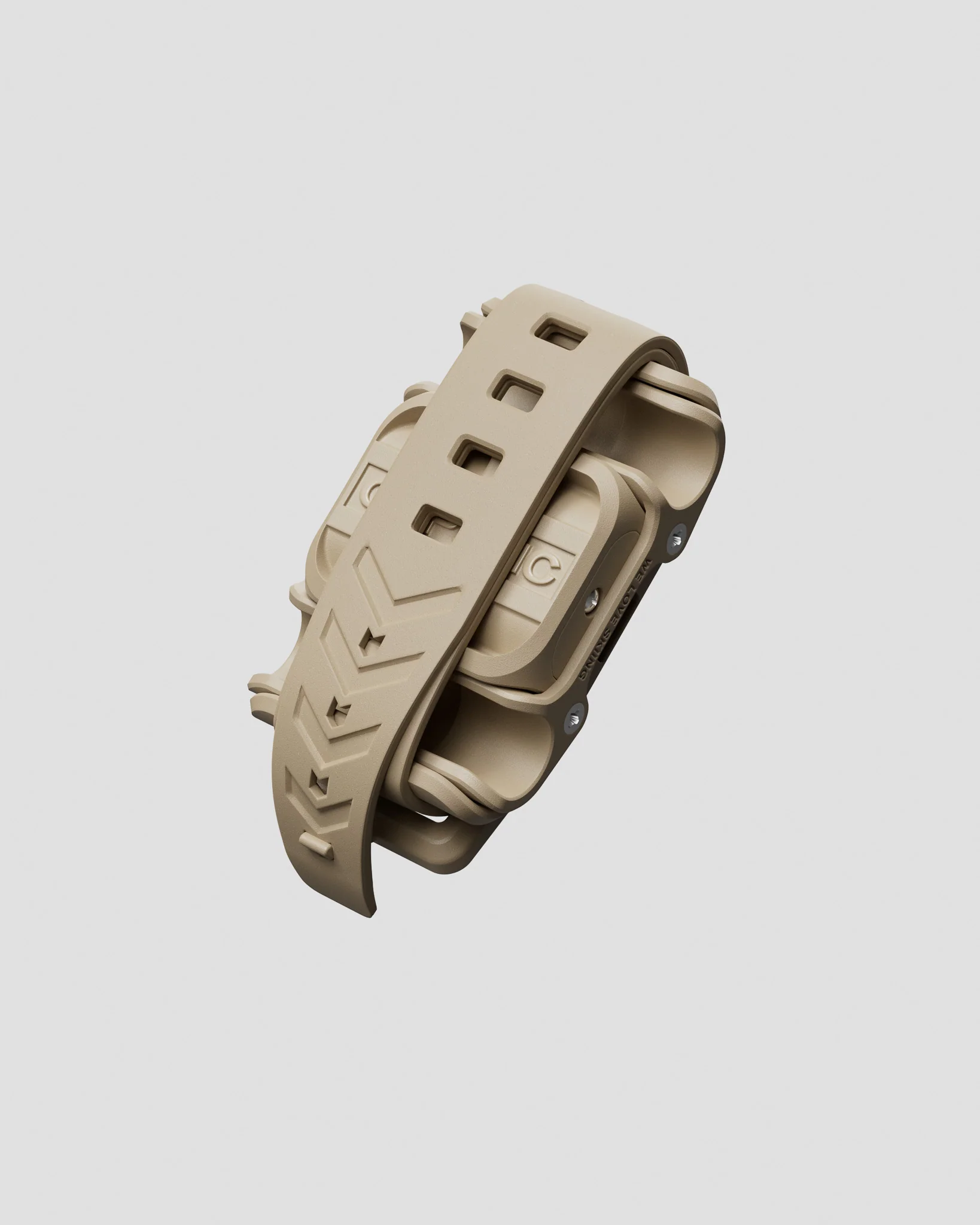
Missing a hand while carrying ski gear?
A friend of mine created Clipstic, the easy way to attach your poles to your skis! Using this link you get 10% off as well as support for Pick-a-ski!
Check it out!Not sure the M tour 100 is your ski?
Answer a few quick questions and the ski selector matches you with the right skis from 800+ models — free, no sign-up.