Overview
Dynastar’s M‑Cross 88 bridges frontside precision and soft‑snow playfulness. A long, directional rocker profile with traditional camber underfoot makes turn initiation easy, keeps edge hold confident, and allows forgiving releases. The Hybrid Core 2.0 plus a central titanal layer deliver damping and stability without turning the ski into a heavy charger.
Construction & tech
- Sandwich full sidewall: precise power transfer and reliable grip on firm snow.
- Hybrid Core 2.0 (poplar + PU): lively yet damp feel with low swing weight.
- H‑Tech + unidirectional fiberglass + central titanal: added torsional support and calmness underfoot.
- Adaptativ Sidecut: smooth transitions tip‑to‑waist‑to‑tail for intuitive turn shapes.
On‑piste performance
The M‑Cross 88 feels intuitive and quick to roll on edge. Camber provides bite and rebound; the long tip rocker makes engaging the turn effortless. It’s happiest in short to medium turns with a natural 14–15 m radius (length dependent). On boilerplate it’s competent, though not as locked‑in as heavier, dual‑metal skis like the Blizzard Brahma 88 or Nordica Enforcer 88. The subtly rockered tail releases predictably, making smears controlled rather than skittish.
Mixed snow & off‑piste
For an 88‑mm ski, it planes well in 5–15 cm of soft snow thanks to the long, low rocker lines. In trees and bumps it’s agile and easy to pivot, helped by the moderate weight. In chopped refrozen or at very high speeds, stronger skiers may wish for more mass and damping—but within its lane, it stays composed.
Stability, damping, and speed
The central titanal element and PU component soak up vibration on roughed‑up groomers. Best at moderate to brisk speeds; if you regularly straight‑line, a burlier ski will feel calmer.
Who is it for?
- Solid intermediates to advanced skiers wanting an easygoing all‑mountain ski with real edge hold.
- Riders who prefer a lighter, more playful feel than full‑on metal chargers.
- A practical daily driver for varied resort conditions in Europe or North America.
Sizing advice
- 159/168 cm: lighter riders or those prioritizing trees/bumps agility.
- 176 cm: sweet spot for most (roughly 5’9”–6’/165–200 lb).
- 184 cm: heavier/stronger skiers or those seeking extra stability.
Comparisons
- Blizzard Brahma 88: more bite and top‑end stability; heavier and less forgiving.
- Nordica Enforcer 88: damper and calmer at speed; less playful in tight spaces.
- Elan Ripstick 88: lighter and looser in soft snow; less tenacious on ice.
- Salomon Stance 90: stiffer, more directional feel; not as smear‑friendly.
- Dynastar M‑Pro 90: wider, more freeride‑leaning; less carve precision.
Specs explained
- Rocker profile: directional rocker with camber underfoot blends flotation (rocker) and grip/energy (camber).
- Tip/waist/tail (176 cm): 135‑88‑117 mm. Wider tip = easy initiation/float; 88‑mm waist balances quick edge‑to‑edge with versatility; tail supports stability and clean releases.
- Turn radius (176 cm): 14 m. Encourages medium turns while staying nimble.
- Weight (manufacturer listed): about 1.80 kg per pair (176) ≈ 900 g per ski. Note: published weights vary; the Konect system version is heavier due to its plate/binding.
- Lengths: 159, 168, 176, 184 cm. Longer = more stability; shorter = quicker.
- Base: Sintered HD for durable glide.
Pros and cons
- Pros: Very user‑friendly, broad sweet spot, strong grip for 88 mm, quick in bumps/trees.
- Pros: Smooth turn entry and forgiving tail; true all‑mountain range.
- Cons: Not the dampest or most powerful at high speed/ice.
- Cons: Weight listings vary by variant; verify “Open” vs “Konect”.
Key takeaways
- Accessible all‑mountain: a versatile frontside‑to‑soft‑snow package.
- Medium‑turn specialist: natural radius with pleasant rebound.
- Light and playful: great for long days, bumps, and trees.
Frequently asked questions
Q: Is the Dynastar M‑Cross 88 good for intermediates?
A: Yes. Its long tip rocker, underfoot camber, and forgiving tail make it easy to progress while maintaining real edge hold. It rewards good technique without punishing mistakes.
Q: What length should I choose?
A: Most skiers pick around nose‑to‑forehead height. Go longer for stability at speed; go shorter for trees/bumps or if you’re lighter.
Q: How does it handle ice?
A: Solid for its class thanks to full sidewalls and camber. If ice is your daily diet, a heavier, metal‑laden option (e.g., Brahma 88) will grip more tenaciously.
Q: What’s the difference between Open and Konect versions?
A: Open is ski‑only; Konect includes a system plate/binding that adds weight and a slightly more planted feel. Check retailer specs for per‑ski vs per‑pair weights.
The neighbourhood
its nearest skis on the map, by character — not by brandQuestions & opinions
User reviews
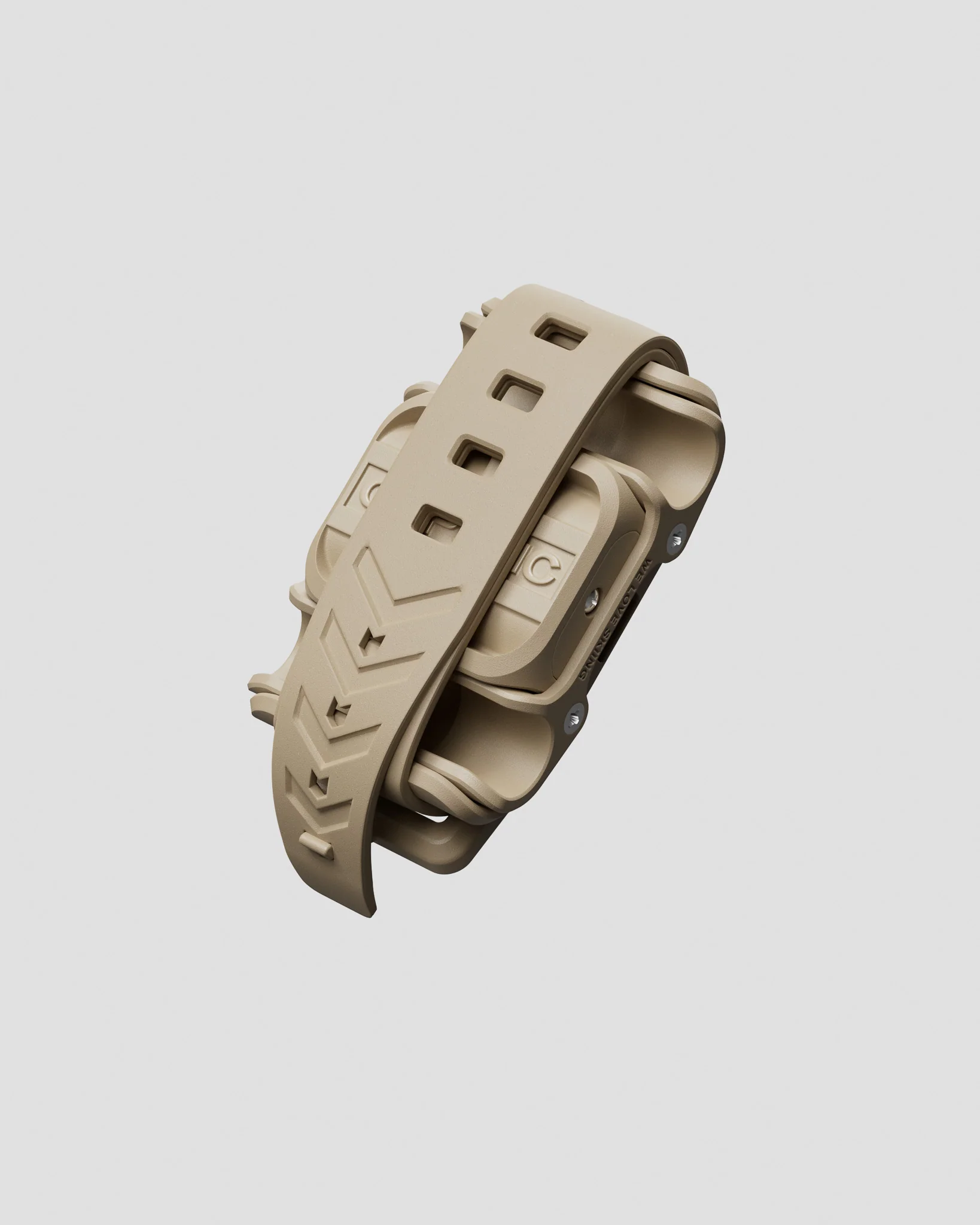
Missing a hand while carrying ski gear?
A friend of mine created Clipstic, the easy way to attach your poles to your skis! Using this link you get 10% off as well as support for Pick-a-ski!
Check it out!Not sure the M cross 88 is your ski?
Answer a few quick questions and the ski selector matches you with the right skis from 800+ models — free, no sign-up.