Radical tour review
Objective review of the Dynafit Radical Tour tech binding. DIN 4–10, ~520–600g, heel elasticity, easy step-in. Pros/cons, comparisons, and who should buy.
Chassis
tech · alpine touringDynafit’s Radical Tour sits at the heart of the brand’s tech (pin) touring lineup: a proven, mid‑weight binding that blends uphill efficiency with confident, predictable downhill performance. It’s a versatile option for most ski tourers who want reliability without the heft of hybrid freeride models.
Who is it for?
- Ski tourers seeking a balanced binding for long approaches and varied descents.
- Riders who value easy step‑in, consistent release, and serviceable parts.
- Not ideal for the heaviest or most aggressive skiers who routinely need higher DIN and alpine‑binding feel—consider Marker Kingpin or a higher‑DIN Radical/Rotation alternative.
Downhill performance
The Radical Tour skis confidently for its weight. Heel elastic travel (around 10 mm on newer Radical/Rotation iterations) allows the ski to flex and absorbs chatter, reducing unwanted pre‑release when properly adjusted. With a typical DIN range of 4–10, it covers most touring needs, though powerful or heavy skiers may bump into the upper limit.
Climbing and transitions
- Step‑in side towers speed up toe entry in cold or icy conditions.
- Multiple climbing aids switch cleanly with a pole; flat, mid, and high positions suit mixed terrain.
- Brakes are offered in common widths; sizing correctly prevents edge rub on traverses.
- Some Radical 2.0/Rotation variants add a rotating toe for more consistent lateral release (and TÜV certification), at a small weight penalty.
Durability and serviceability
A mix of forged aluminum (often 7075), steel/chromoly, stainless, and high‑strength polymers yields a sturdy, season‑after‑season build. Keep an eye on heel play, pins, and screws; clear ice from the toe (the “Ice‑Breaker” pin design helps). Spare parts and support are widely available.
Comparisons
- Dynafit Speed Radical: lighter (often brakeless), better for weight‑focused missions, less everyday versatility.
- G3 Ion 10/12: similar weight with a very stout toe; slightly “beefier” feel in rough snow.
- Salomon/Atomic MTN: simpler, often a touch lighter; less heel elasticity but very dependable.
- Marker Kingpin: more alpine‑like power and higher DIN, but notably heavier for big days.
Pros and cons
- Pros: trustworthy release for a tech binding, easy step‑in, noticeable heel elasticity, broad brake options.
- Pros: durable materials and a time‑tested platform; good parts availability.
- Cons: max DIN 10 limits very aggressive/heavy skiers.
- Cons: tech‑sole only (ISO 9523); not compatible with standard alpine soles.
Specs and what they mean
- Type of binding: Alpine Touring / Tech — pin system optimized for efficient uphill travel with low mass.
- DIN / release (4–10): adjustable lateral/vertical release values for safety and predictability.
- Elastic travel (≈10 mm heel): lets the ski flex and absorbs impacts; reduces pre‑release risk.
- Brake width (common 100/110 mm): choose ~5–15 mm wider than ski tail to avoid rubbing.
- Weight (≈520–600 g per binding): mid‑pack for tech bindings, balancing climb efficiency and downhill feel.
- Compatibility (ISO 9523, tech inserts): requires touring boots with tech inserts; alpine ISO 5355 soles won’t work.
- Materials (aluminum/steel/polymer): blend of stiffness, durability, and reasonable weight.
Key takeaways
- A trusted all‑round tech binding with smooth step‑in and solid downhill manners for its mass.
- DIN 4–10 fits most tourers; power riders may prefer higher‑DIN options.
- Rotating toe on Rotation/2.0 variants adds confidence with minimal weight trade‑off.
Frequently asked questions
Q: Will the Dynafit Radical Tour work with my boots?
A: Yes, if your boots have tech inserts and an ISO 9523 touring sole. Standard alpine soles (ISO 5355) are not compatible with pin bindings.
Q: How do I choose brake width?
A: Pick a brake 5–15 mm wider than your ski’s tail width. For example, a 100 mm brake on a 95 mm tail usually clears well.
Q: How does it compare to the Rotation 10/12?
A: Rotation versions add a rotating toe and often TÜV certification for more consistent lateral release, at a slight weight increase.
Questions & opinions
User reviews
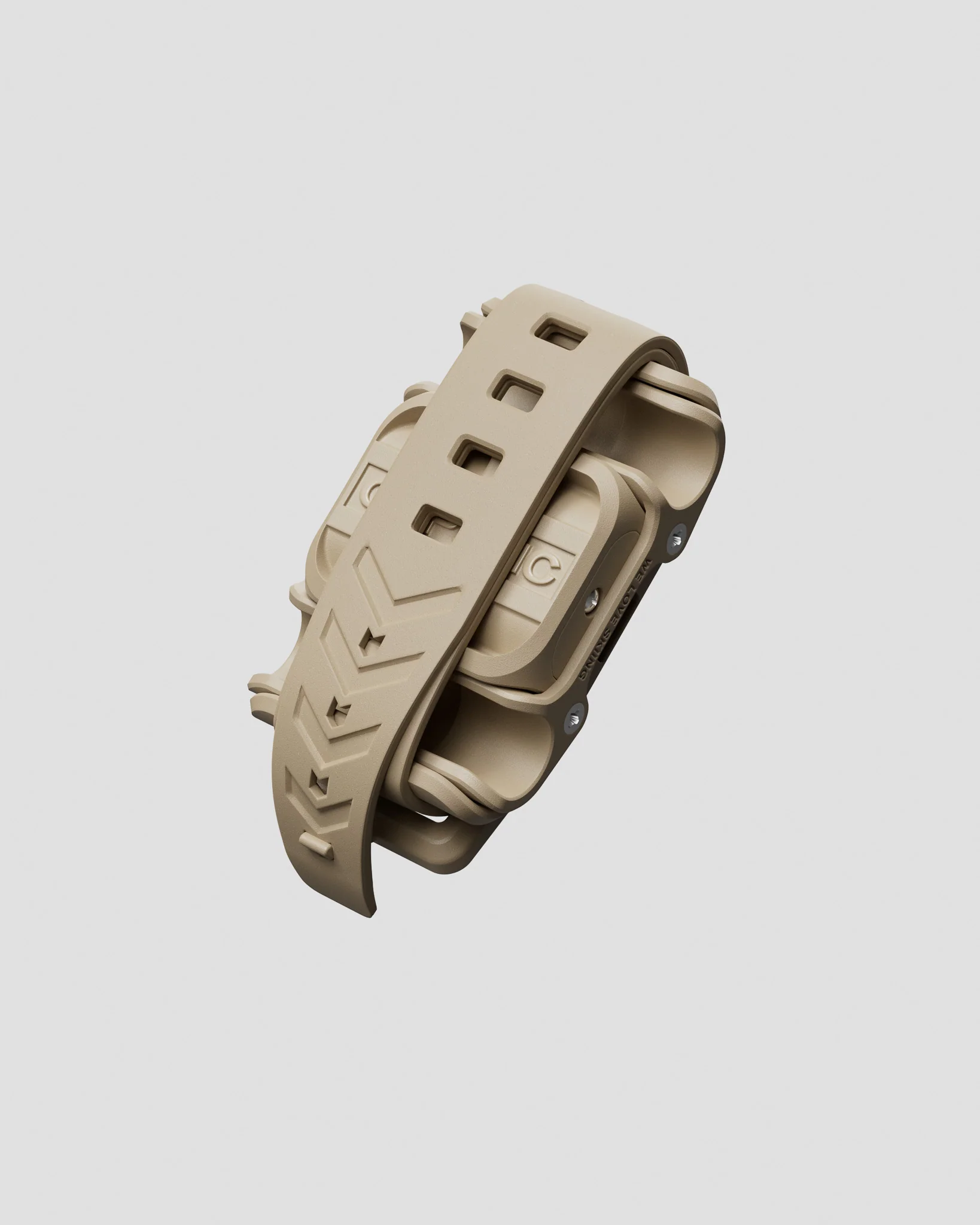
Missing a hand while carrying ski gear?
A friend of mine created Clipstic, the easy way to attach your poles to your skis! Using this link you get 10% off as well as support for Pick-a-ski!
Check it out!