Radical review
Comprehensive Dynafit Radical review: DIN 4–10, heel elasticity, weight, brakes, uphill/downhill performance, key pros/cons, comparisons, and ideal skiers.
Chassis
tech · alpine touringSummary
The Dynafit Radical is a dependable tech (pin) touring binding that prioritizes ease of use, predictable release (DIN 4–10), and durability. With heel elasticity, Step‑In side towers, and a secure brake system, it’s a well‑rounded choice for day tours to serious alpine objectives. It’s not the lightest, but it delivers confidence and comfort on the down.
Who is it for?
- Ski tourers wanting a versatile, no‑drama tech binding for backcountry laps within DIN 10.
- Riders who value easy step‑in, trustworthy brakes, and long‑term durability.
- Less ideal for very aggressive or heavy skiers who need DIN above 10, or ultra‑light minimalists counting every gram.
Uphill and transitions
Speed‑Step risers and a positive rotation make transitions intuitive—even with gloves. Step‑In Side Towers and anti‑ice toe pins promote quick, clean entry. At about 520 g per binding, it’s heavier than a Marker Alpinist 10 or Salomon MTN, but it feels more damped and composed when skin tracks get bumpy and transitions stack up.
Downhill and release performance
Adjustable lateral and vertical release (DIN 4–10) suits a wide range of tourers. The heel’s elastic travel (about 10 mm) smooths impact loads and improves retention versus older, rigid tech heels. Compared with a G3 ION 10, the Radical’s toe feels a touch less “plush,” but overall behavior is predictable. If you want alpine‑like elasticity, consider Fritschi Tecton 13 or Salomon Shift (heavier, different category).
Build and durability
Dynafit uses forged 7075 aluminum, stainless steel, and robust synthetics. The reinforced heel feels stiff and precise, and the bayonet‑lock brake engages positively. Add the lifetime binding guarantee, and the Radical inspires confidence for multi‑season use.
Comparisons
- Marker Alpinist 10: markedly lighter and simpler, but with less elastic feel and generally less downhill damping.
- Salomon MTN/MTN Pure: light and quiet with solid descending for the weight, though fewer convenience features (step‑in aids, brake options vary).
- G3 ION 10: a bit heavier than the Radical, with a very user‑friendly toe and strong downhill reputation—choice comes down to feel.
- ATK Raider 12: lighter with higher max DIN and a precise ride, but pricier and more setup‑sensitive.
Potential drawbacks
- Weight: there are lighter tech bindings for gram counters.
- Max DIN 10: powerful skiers may want more headroom (look to Radical FT/Tecton/Raider).
- Toe elasticity: less springy feel than some bindings with highly elastic toes.
- Riser ergonomics: good, though not the slickest in class.
Specs and what they mean
- Binding type: Tech / Alpine Touring – pin interface for efficient climbing and low mass.
- DIN / release: 4–10 – adjustable safety release suitable for most tourers.
- Elastic travel: ~10 mm (heel) – absorbs impacts and improves retention on rough snow.
- Brake widths: 82/92/100/110 mm – choose equal to, or up to ~15 mm wider than, ski waist for best fit.
- Weight: ~520 g per binding – favors stability and usability over absolute minimalism.
- Compatibility: tech inserts; ISO 9523 touring boots with tech fittings; crampon slot – broad equipment match.
- Materials: Aluminum, stainless steel, high‑tech plastics – blend of stiffness, strength, and longevity.
Notable features
- Step‑In Side Towers for easier entry.
- Anti‑ice toe pins to reduce icing.
- Speed‑Step climbing aids (multi heights).
- Fore/aft adjustment ±12.5 mm (25 mm total).
- Bayonet‑lock brakes and crampon slot.
- Dynafit lifetime binding guarantee.
Key takeaways
- Easy to live with: quick entry and smooth transitions.
- Confidence on the down: heel elasticity boosts retention and comfort.
- All‑round value: not the lightest, but versatile and durable.
Frequently asked questions
Q: What brake width should I choose?
A: Match your ski’s waist or go up to about 15 mm wider. For a 96 mm waist, the 100 mm brake is typically ideal—secure coverage with minimal drag.
Q: Is the Radical suitable for resort use?
A: Yes for occasional inbounds days. If you spend lots of time on‑piste at high speeds, a hybrid like the Tecton or Shift offers more alpine‑like elasticity, at a weight penalty.
Q: How does the weight compare to alternatives?
A: At ~520 g per binding, it’s heavier than minimalist tech options (250–350 g), but lighter than hybrids. In return, you get a more damped ride and user‑friendly features.
Questions & opinions
User reviews
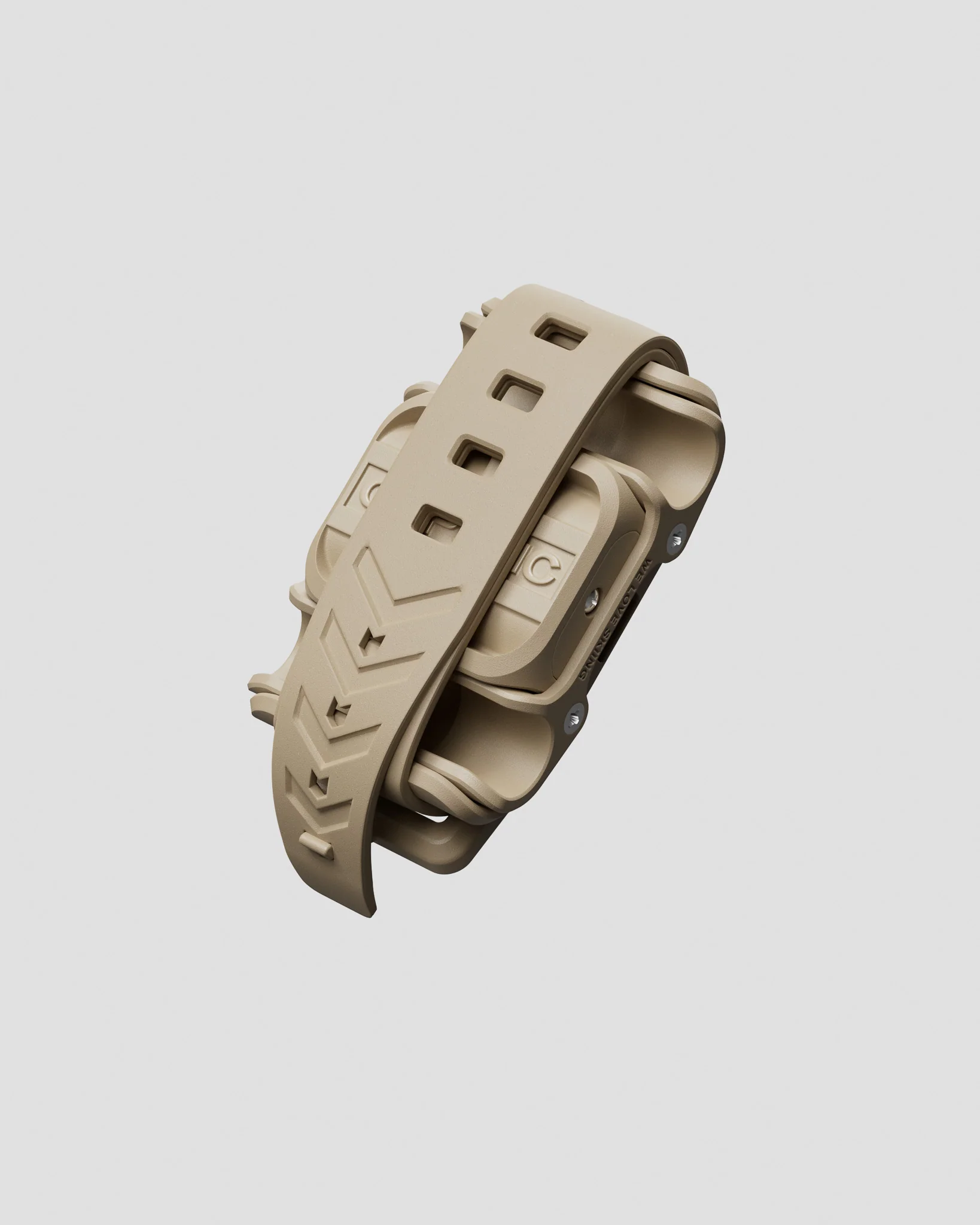
Missing a hand while carrying ski gear?
A friend of mine created Clipstic, the easy way to attach your poles to your skis! Using this link you get 10% off as well as support for Pick-a-ski!
Check it out!