Mezzalama plus review
Hands-on review of the Dynafit Mezzalama: 157 g tech race binding with adjustable 5–10 release, 68–80mm brakes and 2.6 mm flex, plus pros, cons, comparisons.
Chassis
tech · alpine touringOverview
The Dynafit Mezzalama is a race‑bred, pin‑style touring binding that pairs true featherweight construction (~157 g per binding) with fully adjustable lateral and vertical release (RV 5–10). With a one‑hand Speed Switch integrating a Low Tech Race stopper, Ice‑Breaker pins, crampon slots, and an optional adjustment plate, it’s built for skimo racing and speed touring where every gram and second matter.
Who is it for?
- Skimo racers and fast‑and‑light tourers prioritizing uphill efficiency and rapid transitions.
- Alpinists on narrow skis (typically 65–80 mm) who want minimal swing weight.
- Not ideal for aggressive downhill skiers or wide skis; elastic travel and brake options are purposefully minimal.
Specs explained
- Type of binding: Tech (pin) touring – uses pins at toe/heel for the lightest, most efficient uphill performance.
- DIN/release value: 5–10 – fully adjustable lateral and vertical release. Not an alpine DIN‑certified step‑in; have a shop set values.
- Elastic travel: ~2.6 mm (reported) – very limited dynamic travel; ultra‑direct feel but less retention in chattery, variable snow.
- Brake width: 68, 74, 80 mm – choose brakes close to your ski’s waist (typically 5–10 mm wider).
- Weight: ~157 g (per binding) – class‑leading weight for racing; reduces fatigue and improves kick‑turn agility.
- Compatibility: Tech‑insert boots (ISO 9523 with pin inserts) – not compatible with alpine soles (ISO 5355) without adapters.
- Materials: Aluminum, stainless steel, high‑tech synthetics, carbon – race‑grade stiffness and durability at minimal weight.
On‑snow performance
- Ascents & transitions: The one‑hand Speed Switch is genuinely quick. Ice‑Breaker pins help clear ice for easier step‑in. Riser options are minimal by design, but perfectly adequate for race gradients and fast training laps.
- Descents: Adjustable RV (5–10) is a standout versus many fixed‑release race bindings. The modest elastic travel (~2.6 mm) yields precise power transfer, yet offers less forgiveness when snow gets rough. On narrow, light skis the Mezzalama feels taut and efficient; on wider skis or at high speeds you’ll reach its limits sooner.
Features, build, and durability
- Race Stopper integrates brake + riser for one‑handed operation and fast transitions.
- Ice‑Breaker pins, crampon compatibility, and an optional adjustment plate for boot‑length margin.
- Predominantly metal construction with strategic composites; European manufacturing and a lifetime guarantee add confidence for high‑frequency use.
Comparisons
- ATK Trofeo Plus: Lighter (~145 g) but typically fixed release and often brakeless. Mezzalama trades a few grams for full adjustability and brake options.
- Dynafit Superlite 150/175: Heavier but more versatile (more elasticity, additional risers, broader brake sizes). Better for 80–90+ mm skis and mixed touring.
- Plum R170: Similar weight with fixed release and no brake; Mezzalama is more practical where brakes are required.
- Marker Alpinist series: Much heavier, with more elastic travel and downhill composure; suited to wider skis and general touring, not racing.
Potential drawbacks
- Limited elastic travel (~2.6 mm) means less margin in variable snow or aggressive skiing.
- Brake sizes top out at 80 mm – aimed squarely at narrow skis.
- Minimal heel adjustment without the optional plate – precise mounting is important.
- Sparse riser options – fine for racing, less ideal for long, steep climbs.
Mounting and setup
Have a qualified shop mount and set release values. Consider the optional adjustment plate if you run multiple boots or want fore‑aft tuning. Select brakes sized appropriately to your ski waist.
Key takeaways
- Ultra‑light with fully adjustable release: rare in the race segment.
- Speedy transitions thanks to the integrated Speed Switch and Race Stopper.
- Best on narrow, light skis; not the tool for hard‑charging on wide planks.
Frequently asked questions
Q: Is the Mezzalama TÜV alpine‑certified?
A: No. It’s a tech/pin race binding with adjustable release, but not an alpine (ISO 5355) step‑in. Have a professional set release values.
Q: What brake width should I choose?
A: Typically 5–10 mm wider than your ski’s waist. For a 74 mm ski, a 74–80 mm brake is appropriate.
Q: How does the ~2.6 mm elastic travel affect performance?
A: It delivers a very direct, efficient feel but offers less retention in choppy snow than more elastic, all‑round touring bindings.
Q: Who fits within the 5–10 release range?
A: Most skimo racers and light to mid‑weight tourers, when properly set. Heavier or very aggressive skiers may prefer more robust bindings.
Questions & opinions
User reviews
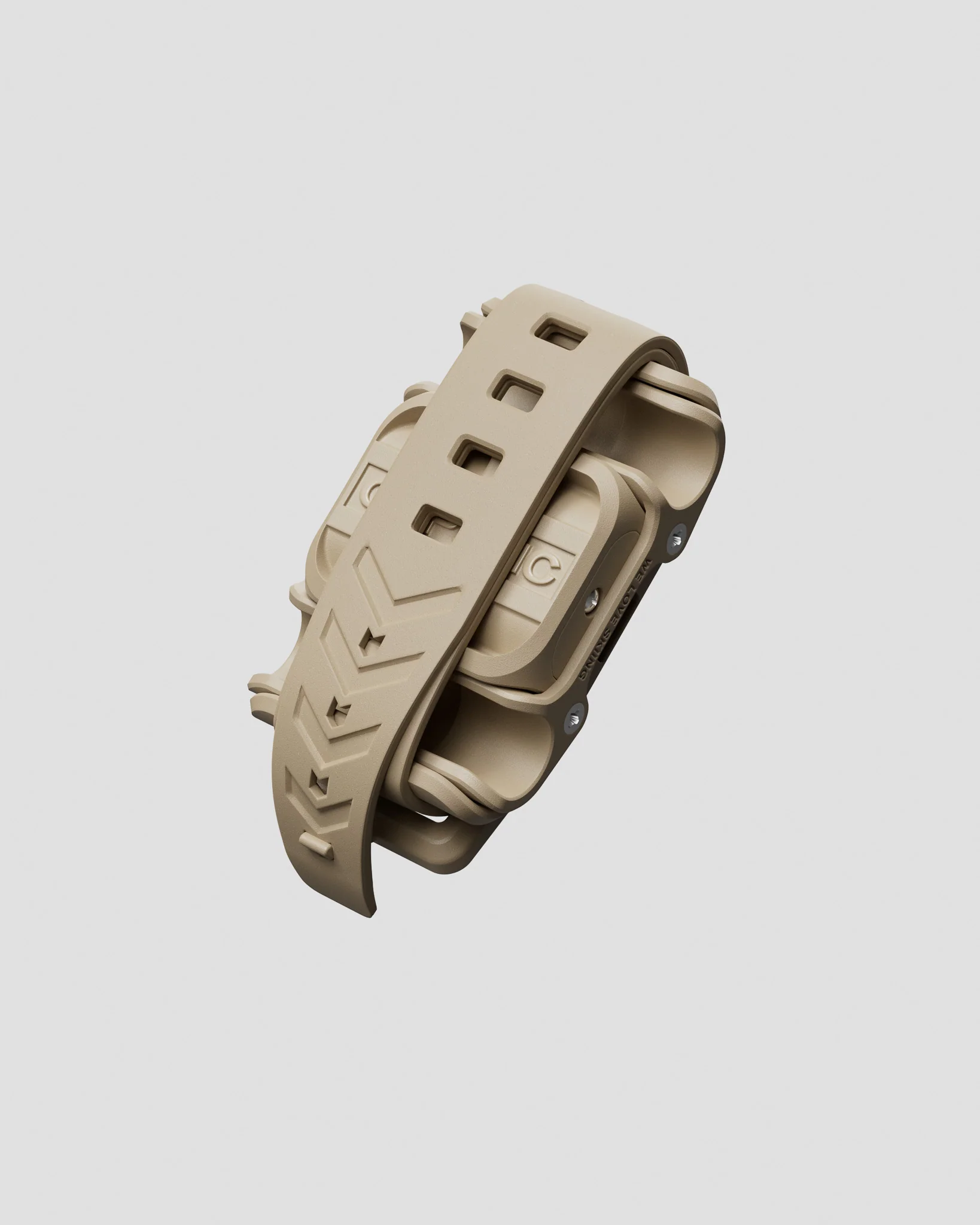
Missing a hand while carrying ski gear?
A friend of mine created Clipstic, the easy way to attach your poles to your skis! Using this link you get 10% off as well as support for Pick-a-ski!
Check it out!