Overview
The Down Showdown 108 is a metal-laminated freeride/all-mountain ski built for speed, composure, and confidence when conditions range from groomers to chop and windbuff. With two full sheets of Titanal around a poplar core, a freeride rocker profile (early-rise tip, camber underfoot, nearly-flat tail), and PU sidewalls, it delivers standout damping and stability without feeling dead. It’s pitched as a ~70/30 backcountry/resort ski, but the feel and weight skew toward a stout resort/sidecountry charger that can absolutely tour when asked.
Who is it for?
Strong intermediate through expert skiers who value stability, edge hold, and predictability in variable snow. Less ideal if you want a super-light, ultra-playful, or short-radius carver.
Shape & construction highlights
- Poplar core + dual Titanal: serious damping and composure at speed, with dependable edge hold.
- Freeride rocker: early-rise tip for float/deflection control; underfoot camber for grip/rebound; nearly-flat tail for supportive finishes, landings, and skin retention.
- PU sidewalls: additional vibration absorption and a smoother feel on firm snow.
- UHM sintered base + full-thickness steel edges: speed and durability for daily resort use.
- Long radii (22–27 m): favors GS-length arcs and stability over quick, tight turns.
On-snow performance
Groomers & hardpack
The Showdown 108 feels calm and planted. Engage the edge and it tracks like a GS board once you’re up to speed; the camber and metal layers provide confident bite. At low speeds it’s not especially “poppy” or hyper-quick, but give it pressure and velocity and it comes alive. Compared with an Armada Declivity 108 Ti, the Down is a touch damper in chop, with slightly less laser precision on boilerplate.
Chop, windbuff, and late-day resort snow
This is the ski’s sweet spot. Mass + Titanal + PU soak up vibrations and keep the tip running true through broken snow. The nearly-flat tail finishes turns decisively and holds a line. Versus a Blizzard Cochise 106, the Showdown is a bit more forgiving and floats better; compared with a Salomon QST 106, it’s far more composed but less loose and playful.
Powder & soft snow
At 108 mm underfoot with an early-rise tip, it planes easily in 10–25 cm and remains predictable when the snow gets denser. The flatter tail supports speed and gives you a directional, powerful finish — less surfy/slarvy than twin-tipped or highly tapered designs, but more dependable in steeps and at pace.
Trees, bumps, and steeps
Shorter lengths (171/178) pivot well enough, but this isn’t a featherweight bump stick. In 185/192, it becomes a wonderfully composed “freight train” for skiers who like to set a line and keep momentum. Strong legs rewarded; casual cruisers may prefer something lighter and looser.
Touring/sidecountry
The tail notch is skin-friendly, and the damp ride shines in variable backcountry snow. Weight isn’t ultra-low, so think hybrid bindings and shorter laps rather than 1,500–2,000 m vert days.
Mount point & sizing
- Start on the recommended line for the intended balance and tail support.
- Moving forward of recommended increases pivot/play but reduces high-speed stability and tail hold.
- Sizing: pick your usual all-mountain length. Downsize if you’re lighter or ski slower/trees; size up (185/192) if you’re heavy, fast, or prefer open terrain.
Comparisons
- Blizzard Cochise 106: stiffer and more locked-in on edge; Showdown is a touch more forgiving and better in soft snow.
- Nordica Enforcer 110 Free: softer tip and more playful; Showdown is more directional and composed at speed.
- Armada Declivity 108 Ti: razor on groomers; Showdown is calmer in chop and mixed snow.
- Salomon QST 106: lighter and friendlier for touring; can’t match the Showdown’s damping or high-speed confidence.
Pros and cons
- Pros: exceptional damping and stability; trustworthy edge hold; predictable float; durable build; skin-friendly tail.
- Cons: not ultralight; prefers some speed to shine; less surfy tail; not the quickest in tight bumps.
Key takeaways
- High-speed poise: dual Titanal and PU sidewalls deliver class-leading calm in chop.
- Directional confidence: flatter tail = supportive landings and decisive finishes.
- Versatility with purpose: 108 mm that comfortably spans resort to sidecountry.
Frequently asked questions
Q: Who is the Down Showdown 108 best for?
A: Advanced to expert skiers who prioritize stability, damping, and edge hold in variable conditions. It’s an excellent wide all-mountain/freeride option that’s capable in soft snow without giving up groomer composure.
Q: Can it be a one-ski quiver?
A: For aggressive skiers in snowier regions, yes. It covers groomers, chop, storm days, and sidecountry laps. If you want ultralight touring or park-level playfulness, look elsewhere.
Q: What bindings pair well?
A: Solid alpine clamps or hybrid tech-toe/frame systems. For a 70/30 off-piste/resort split, a sturdy hybrid (e.g., Shift/Kingpin-style) balances uphill function with downhill power.
Q: How heavy is it really?
A: The product page lists weights by length but doesn’t specify per ski or per pair. On snow it feels stout and damp — great for resort and sidecountry, not designed as a featherweight tourer.
Specs and what they mean
- Rocker profile (freeride rocker): early tip rise for float and easy initiation; underfoot camber for grip/energy; near-flat tail for stability, power, and skin security.
- Sidecut (139-108-124 mm): 108 mm offers soft-snow support without going full powder plank; modest tail width keeps finishes strong and directional.
- Turn radius (22–27 m): longer radii emphasize stability at speed and GS-style arcs over quick slalom turns.
- Weight: 3415–3983 g across lengths (manufacturer-listed; page doesn’t clarify per ski vs pair). More mass = more damping and confidence, less nimble feel and uphill efficiency.
- Lengths (171/178/185/192 cm): choose longer for stability/open terrain; shorter for agility/trees.
- Build: poplar + dual Titanal + triax fiberglass + PU sidewalls = smooth, durable, damp ride; UHM base and thick edges add speed and longevity.
The neighbourhood
its nearest skis on the map, by character — not by brandQuestions & opinions
User reviews
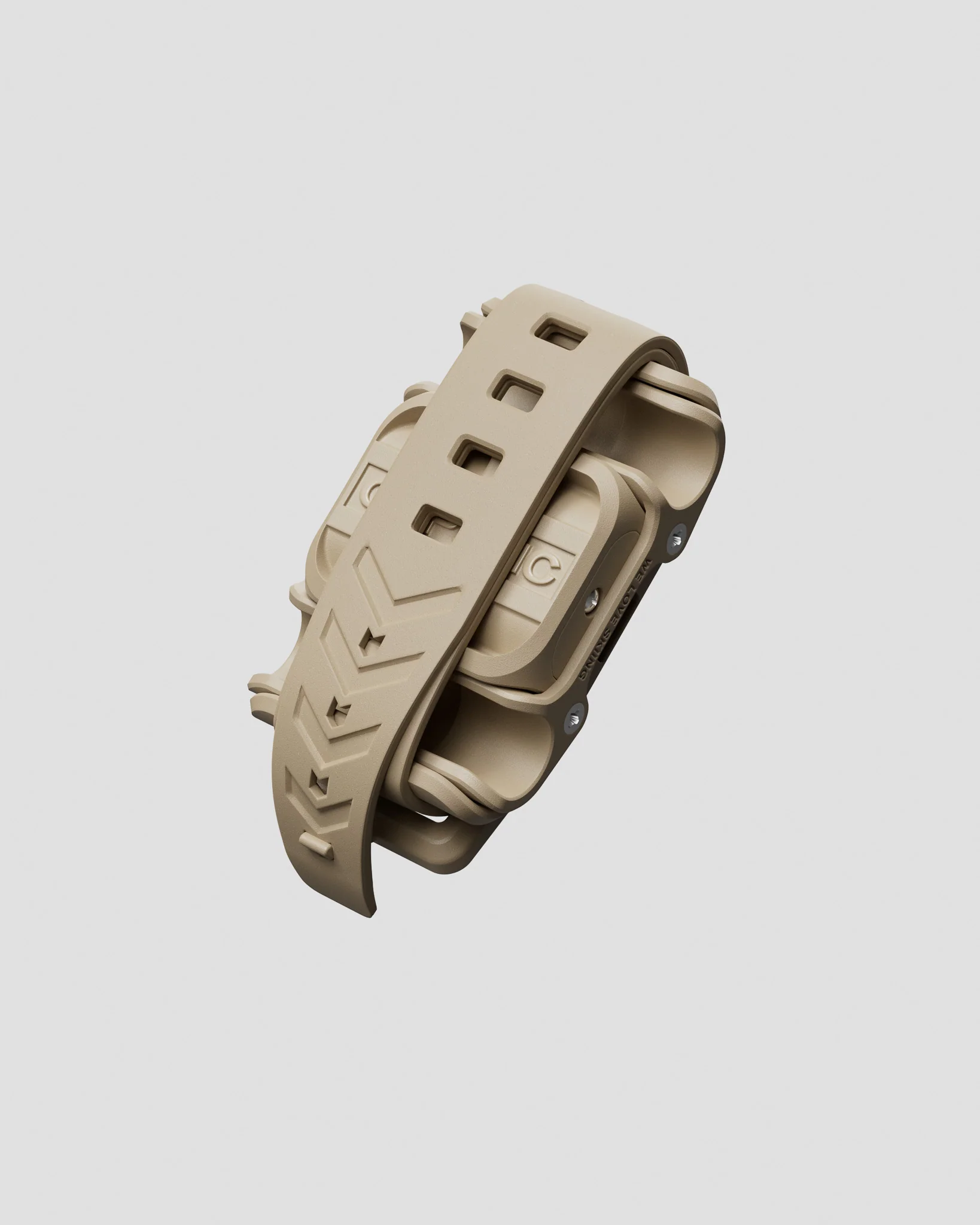
Missing a hand while carrying ski gear?
A friend of mine created Clipstic, the easy way to attach your poles to your skis! Using this link you get 10% off as well as support for Pick-a-ski!
Check it out!Not sure the Showdown 108 is your ski?
Answer a few quick questions and the ski selector matches you with the right skis from 800+ models — free, no sign-up.