The Down Lowdown Carbon 88 is a freerando/all‑mountain touring ski built to climb efficiently and descend with unusual composure for its weight. It’s aimed at long days, steep lines, and the firm/corn/variable snow that spring missions often deliver. The high fiber content (triax glass + Sigratex carbon), damping rubber, and a titanal binding insert produce standout torsional stability and a calm, “point‑and‑shoot” feel that many sub‑1.5 kg skis struggle to match.
Who is it for?
- Tourers who prioritize downhill confidence and edge hold on firm or steep terrain without carrying a heavy ski.
- Ski‑mountaineering and spring objectives where reliability on mixed snow matters more than playful slarving.
- Stronger, more aggressive skiers who find many 88 mm touring skis too nervous in rough snow.
Not ideal if you want a super playful, short‑turn carver or a deep‑pow specialist.
On‑snow performance (downhill)
- Hard & steep: Camber underfoot and the nearly flat tail transmit energy precisely. The longer sidecut (22 m in 175) prefers medium‑to‑long arcs and stays composed on edge; it’s not a slalom‑quick turner.
- Variable snow: For its class, damping is impressive. The glass + carbon layup with rubber smooths out chatter better than many ultralight options, helping the ski track true when the surface gets choppy.
- Corn and soft snow: The low, elliptical tip rocker engages predictably and resists tip dive. At 88 mm waist, float is naturally limited—fine up to boot‑top/shin‑deep with a neutral stance. For deeper days, the Lowdown Carbon 98 is the logical sibling.
Uphill & efficiency
At an apparent pair weight of about 2880 g in 175 cm (roughly ~1440 g per ski), this isn’t skimo‑light, but it remains efficient for big vert. Versus featherweights like the Dynafit Blacklight 88 or Atomic Backland 88, you carry a few extra grams in exchange for notably better composure on the descent. The flat tail aids kick turns and anchors; the longer radius tracks well on firm sidehills.
Specs and what they mean
- Rocker profile: Freeride Rocker (camber underfoot, low elliptical tip, nearly flat tail). Delivers edge grip, smoother transitions, and supportive tail bite for steep snow.
- Dimensions: 119‑88‑107 mm. A relatively straight, all‑mountain shape: adequate tip for initiation, supportive tail without being hooky.
- Radius: 22 m (175), 20 m (167), 18 m (159). Stability and confidence at speed; less emphasis on ultra‑quick short turns.
- Weight: approx 2880 g per pair (175) — Down appears to list pair weights; estimate ~1440 g per ski (175). A touch heavier than UL skis, but more damping and durability.
- Construction: Paulownia core; triax fiberglass + 50K Sigratex carbon (~2010 g/m² total fiber), Semperdur damping rubber, titanal binding insert, 1.5 mm sintered base, 1.85 mm edges. Targets torsional stiffness, vibration control, and longevity.
- Available lengths: 159, 167, 175 cm. Shorter for tight terrain/low weight; longer for stability and surface area.
Mounting & binding picks
- Bindings: 250–320 g tech bindings (ATK Raider, Marker Alpinist, Salomon MTN) keep the tour weight low with solid drive. If you want maximum downhill authority, a slightly beefier pin binding (R12‑class) works well; full alpine is unnecessary.
- Mount point: Follow DOWN’s line/recommendation; the ski rewards a traditional mount a bit behind true center to leverage the supportive tail.
Sizing thoughts
- 175 cm: best for most advanced/experienced skiers and open terrain stability.
- 167 cm: lighter/smaller riders or technical, couloir‑heavy days.
- 159 cm: maximum maneuverability/lowest weight for smaller skiers. Note: flat tails “ski long”; if between sizes, size down for tight terrain, size up for speed and stability.
Comparisons
- Blizzard Zero G 85/95: lighter and razor‑edged on firm, but can feel twitchy in refrozen chop. Down is calmer and more forgiving at speed.
- Dynafit Blacklight 88: climbs faster with less mass; Down descends with better damping and confidence when conditions deteriorate.
- Fischer Transalp 86 Carbon / Völkl Rise Above 88: quicker to pivot and more nimble; less point‑and‑shoot stability in rough snow.
- Scott Superguide 88: similar intent; Down feels a bit more composed and downhill‑oriented, while the Superguide is slightly more playful.
Pros and cons
- Pros: Excellent edge hold and calmness for the weight
- Pros: Beefier base and edges than many UL tourers (durability)
- Pros: Supportive flat tail for steep snow and kick turns
- Cons: Prefers medium/long turns over snappy short ones
- Cons: Not the lightest for the climb
- Cons: Limited deep‑snow float at 88 mm
Key takeaways
- Point‑and‑shoot confidence: unusually composed for an 88 mm tourer.
- Balanced compromise: a few extra grams buy real downhill stability.
- Built to last: thicker base/edges pay off on rocky spring tours.
Frequently asked questions
Q: What does the Down Lowdown Carbon 88 weigh per ski?
A: Down appears to list pair weights: 2880 g (175), 2720 g (167), 2538 g (159). Divide by two for per‑ski estimates: ~1440 g (175), ~1360 g (167), ~1269 g (159).
Q: How does it handle firm, steep snow?
A: This is its wheelhouse. Camber, torsional stiffness, and the flat tail deliver strong edge hold and predictability, making the Lowdown Carbon 88 a confidence‑booster in couloirs and on refrozen mornings.
Q: Which bindings pair best?
A: Lightweight to midweight tech bindings (250–320 g) maintain touring efficiency while giving adequate drive. For more downhill power, step up to an R12‑class pin binding; alpine bindings are unnecessary.
Q: Could it be a daily touring ski?
A: If your season skews toward firm/variable conditions, yes. If you want playful tree laps or deep‑pow performance, consider a wider Lowdown (e.g., the 98) for more float and looseness.
The neighbourhood
its nearest skis on the map, by character — not by brandQuestions & opinions
User reviews
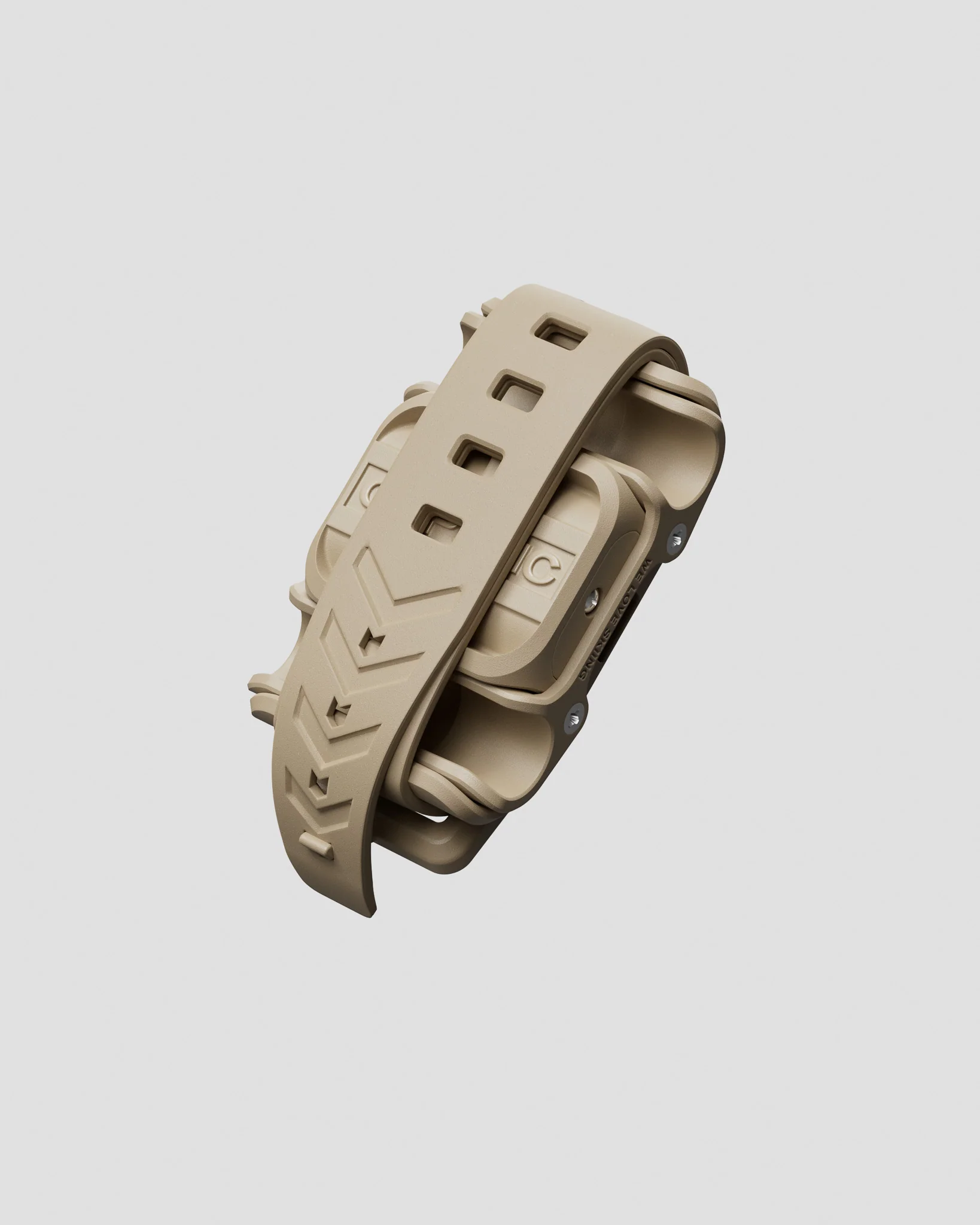
Missing a hand while carrying ski gear?
A friend of mine created Clipstic, the easy way to attach your poles to your skis! Using this link you get 10% off as well as support for Pick-a-ski!
Check it out!Not sure the Lowdown carbon 88 is your ski?
Answer a few quick questions and the ski selector matches you with the right skis from 800+ models — free, no sign-up.