Freetour 2 review
CAST Freetour 2 review: downhill power, uphill efficiency, DIN 6–15/8–18, 45/28 mm elasticity, weights, risers, AFDs, plus buyer advice with key comparisons.
Chassis
hybrid · alpine touringThe short take
The CAST Freetour 2 pairs a true tech toe for efficient touring with a Look Pivot alpine heel for uncompromising downhill performance. It’s built for freeriders who prioritize elasticity, damping, and retention on the descent, while still wanting credible uphill efficiency. Expect outstanding ski feel and durability with added transition steps and more weight than minimalist tech bindings.
Downhill performance
- Pivot heel = class-leading elasticity (28 mm) and predictable release. That translates to fewer pre-releases in rough snow and confident landings.
- Power transfer is excellent; the ski feels distinctly “alpine.” At speed and in chopped snow, the Pivot signature shines.
- The toe’s 45 mm of elastic travel adds margin against shock loads, boosting confidence in variable conditions.
Touring and transitions
- Tech toe uphill = efficient stride with effective climbing risers (0°/8°/12°).
- Transitions require swapping: remove tech toe, install alpine toe, and change AFDs as needed. With practice it’s quick, but it’s more involved than single-piece systems (e.g., Shift).
- The brake lock and Second Ski Kit increase practicality if you run multiple skis.
Weight, durability, and materials
- Approx. 1,016 g per ski in walk mode and ~1,343 g per ski in ski mode (configuration-dependent). Heavier than Tecton/Kingpin, comparable to other freeride hybrids.
- Materials: 7075 aluminum, stainless steel, POM. It’s a stout, serviceable build aimed at longevity.
Specs explained
- Type of binding: Hybrid – tech toe for efficient ups; alpine heel for maximum downhill feel.
- DIN / Release: 6–15 or 8–18 – broad range for aggressive skiers; choose 15 vs. 18 based on style/weight.
- Elastic travel: Toe 45 mm; Heel 28 mm – more travel before release = better shock absorption and fewer pre-releases.
- Brake width: 95/105/115/130 mm – match brake to your ski’s waist.
- Weight: ≈1,016 g (walk) / ≈1,343 g (ski) per ski – a realistic indicator of climbing efficiency vs. downhill damping.
- Compatibility: ISO 5355, ISO 23223 (GripWalk), ISO 9523 – wide boot support; touring requires tech inserts.
- Materials: 7075 aluminum, stainless steel, POM – strong, stiff, and wear-resistant.
Comparisons
- Salomon/Atomic Shift: simpler transitions and MNC versatility, but less Pivot-like elasticity and top DIN (to 13).
- Marker Duke PT: similar “alpine” descent feel; CAST tours lighter with a pure tech toe but requires swapping toe/AFD.
- Fritschi Tecton/Marker Kingpin: lighter and quicker uphill, but less damping/elasticity for aggressive freeride charges.
Key takeaways
- Pivot feel: alpine damping and high elasticity on the descent.
- Efficient climbs: real tech toe with three climbing-riser positions.
- Extra steps: transitions and AFD swaps add complexity.
- Built to last: 7075 aluminum and stainless steel throughout.
Frequently asked questions
Q: Who is the CAST Freetour 2 for? A: Freeride-focused tourers who want the best possible downhill performance from a touring-capable setup. If your priority is charging on the way down, this hybrid binding is a strong choice.
Q: Can I use standard alpine boots? A: Yes for the descent (with the correct AFD), but you’ll need touring boots with tech inserts to skin. Without inserts you can’t use the tech toe to tour.
Q: Should I get the 15 or 18 DIN version? A: Heavier, more aggressive skiers in harsh terrain or frequent jumpers may prefer the Pivot 18. Many skiers will be well-served by the Pivot 15’s range.
Also compared
3 pairsQuestions & opinions
User reviews
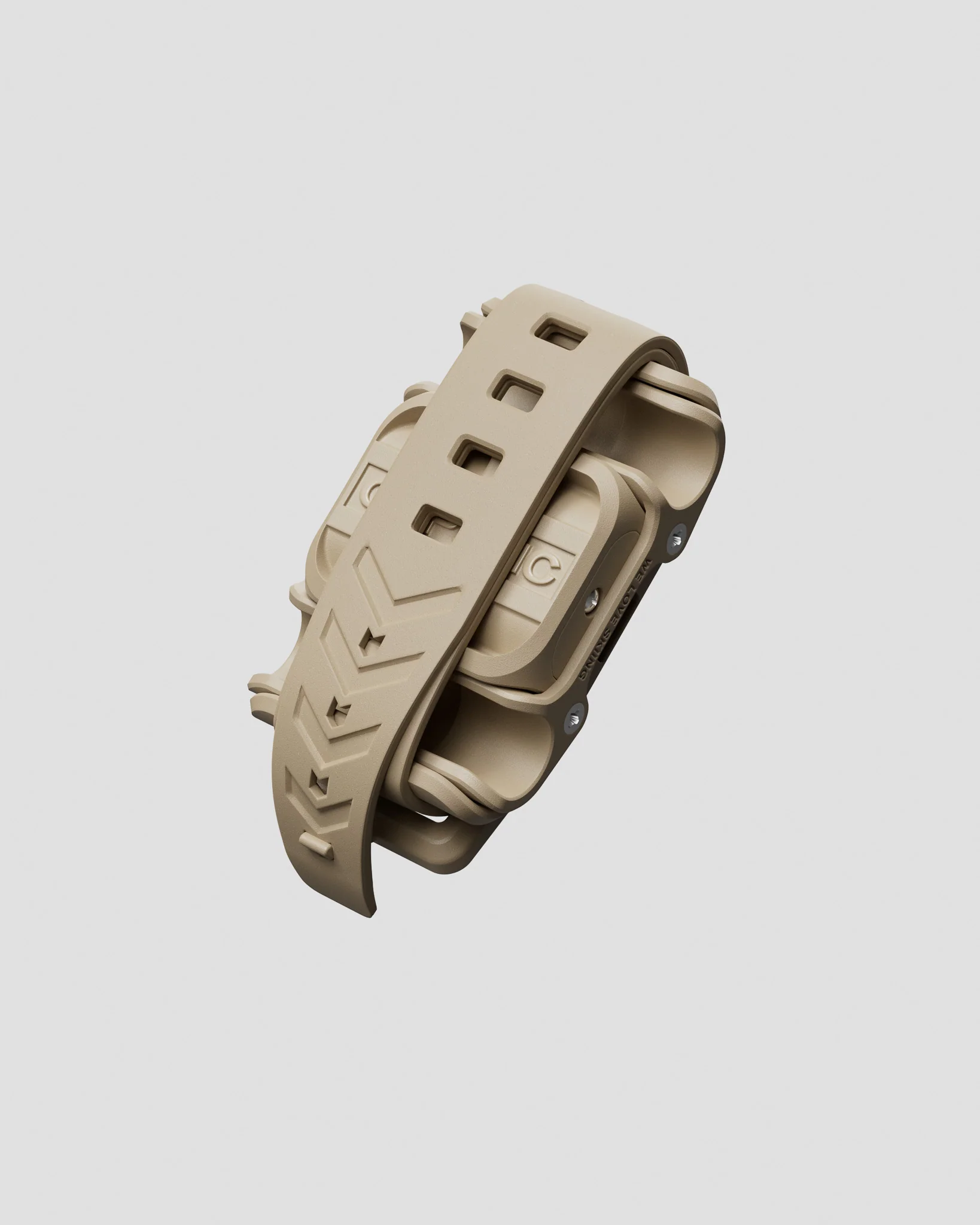
Missing a hand while carrying ski gear?
A friend of mine created Clipstic, the easy way to attach your poles to your skis! Using this link you get 10% off as well as support for Pick-a-ski!
Check it out!