If you’re after a true touring quiver‑of‑one, the Zero G 96 is the Blizzard to beat. At 96 mm underfoot with early‑rise tip and tail plus camber, it blends uphill efficiency with dependable, confidence‑inspiring downhill performance. The latest Trueblend Tour core and ash underfoot insert keep weight low while adding torsional grip and a calmer, less “pingy” feel than many ultralight skis.
Key takeaways
- Balanced touring all‑rounder: efficient on the skintrack, composed on the descent.
- 5‑radius sidecut: intuitive short, medium, and long turns without feeling locked in.
- Above‑average edge hold for the weight: camber + ash insert help on firm and spring snow.
- Limits: not a sheet‑ice specialist; float is good but not like 100–105 mm platforms.
Uphill
At roughly 1175–1380 g per ski (length dependent), the Zero G 96 moves quickly and feels neutral on long traverses. The flat tail aids precise kick turns, while the tip notch and flat tail make skin transitions tidy and fast.
Downhill – Snow types and speed
- Firm/variable: Strong underfoot grip and torsional rigidity from the ash insert give confidence on chalk, melt‑freeze, and windbuff. It rewards clean, progressive edging more than pure pivoting on boilerplate.
- Soft snow: The early‑rise tip provides ample planing up to around boot‑top powder; 96 mm stays agile in trees and couloirs.
- Chop and refrozen: Remains calm for its mass if you stay centered. There is a speed ceiling—this isn’t a 2‑kg charger—but stability is excellent for a ski this light.
Turn feel and shape
Blizzard’s 5‑radius geometry makes the ski remarkably versatile. It prefers medium‑radius arcs but happily snaps quick direction changes in tight terrain. The flat tail finishes turns with control without feeling punishing or hooky.
Build and on‑snow feel
- Trueblend RPET Tour core (paulownia + poplar): low weight with a friendlier, less harsh ride.
- Ash underfoot insert: boosts power transmission and edge hold on firmer snow.
- Partial sidewall: direct grip and durability without excess grams.
- Tip notch + flat tail: smooth skin handling and reliable anchors for kick turns or snow belays.
Sizing and bindings
- Length: around your height is a good starting point (or 5 cm under for tight, technical lines). 178 cm is the sweet spot for many; 185 cm suits faster skiers, heavier packs, or open terrain.
- Bindings: pair with a modern tech binding in the 250–350 g range for a balanced setup. If you plan resort laps, a slightly burlier hybrid is sensible.
Comparisons
- Blizzard Zero G 88: lighter and more precise on firm spring missions; less float and forgiveness.
- Blizzard Zero G 105: more float and composure in deep snow, but heavier and not as tenacious on ice.
- Salomon MTN 96 Carbon: a touch heavier and damper; more forgiving, but not quite as incisive on edge.
- Atomic Backland 95: often lighter in shorter lengths and playful, but less composed in chopped snow.
Who is it for?
Tourers who want one ski from midwinter through spring, with serious vertical on the way up and confidence on the way down. If you live on refrozen mornings, the Zero G 88 may suit better; if your priority is storm days and big, soft lines, look to the Zero G 105.
Specs explained
- Rocker/camber: early‑rise tip/tail + camber underfoot for easier initiation, float, and edge hold.
- Sidecut (tip‑waist‑tail): 125–127 / 96 / 109–111 mm; wider tip for planing, moderate waist for quick edge‑to‑edge.
- Turn radius: 18–22 m by length; blends stability with the ability to tighten the arc when needed.
- Weight: about 1175–1380 g per ski; climbs efficiently with impressive downhill calm for the mass.
- Lengths: 164, 171, 178, 185 cm; choose based on terrain, speed, and pack weight.
Frequently asked questions
Q: Is the Blizzard Zero G 96 a quiver‑of‑one touring ski?
A: For many skiers, yes. It balances low weight, edge hold, and versatility across firm, soft, and mixed conditions. Only on glare ice or in consistently deep snow might you prefer a narrower 88 or wider 105.
Q: How does it handle ice?
A: Better than most in its weight class, thanks to camber and the ash insert. Still, it’s not an ice‑race specialist—sharp edges and sound technique remain key on boilerplate.
Q: What length should I choose?
A: Around your height works for most. Size down for tight, technical terrain; size up if you ski fast, carry heavier loads, or want more high‑speed composure.
Q: Is it suitable for occasional resort laps?
A: Yes, especially with a slightly burlier binding. Just remember the inherent speed limit of a sub‑1.4 kg ski in heavy, tracked resort snow.
The neighbourhood
its nearest skis on the map, by character — not by brandQuestions & opinions
User reviews
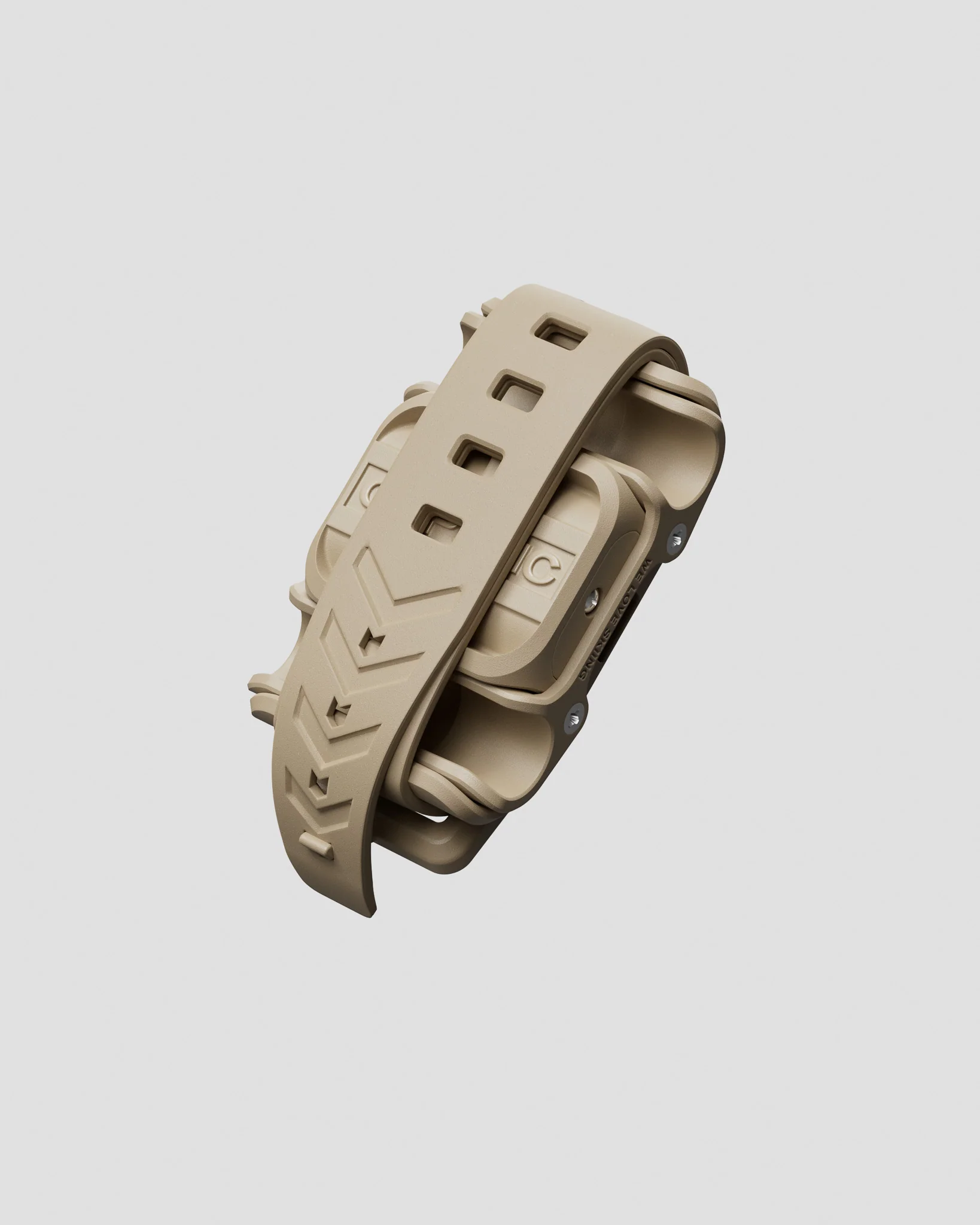
Missing a hand while carrying ski gear?
A friend of mine created Clipstic, the easy way to attach your poles to your skis! Using this link you get 10% off as well as support for Pick-a-ski!
Check it out!Not sure the Zero g 96 is your ski?
Answer a few quick questions and the ski selector matches you with the right skis from 800+ models — free, no sign-up.