Firebird rs ti review
Expert review of Blizzard Firebird RS Ti (70 & 76): edge grip, stability, turn feel, tech and sizing advice. Pros/cons and comparisons to Redster X9, Supershape
Blizzard Firebird RS Ti (70 & 76) — In‑Depth Review
The Firebird RS Ti is Blizzard’s race‑inspired piste carver for strong advanced to expert skiers who value edge grip, damp stability, and precise feedback. It comes in two close siblings: the RS Ti (70 mm waist, full camber) and the Firebird 76 RS Ti (76 mm waist, 2 mm rocker). Both share a double‑Titanal layup, Trueblend Piste woodcore, full sidewalls, and the FDT Race Plate B (often sold with a Marker Xcell 12 demo binding).
On‑snow performance: edge hold, turn feel, speed ceiling
- Edge grip: The full‑camber 70 mm version bites immediately and securely on hard snow and early‑morning corduroy. The 76 mm, with a tiny rocker, remains very precise yet feels a touch more forgiving in variable afternoon snow.
- Turn shape: With a middle‑radius sidecut (around 15 m in common lengths), it loves rhythmic, carved arcs. The 70 is lightning‑quick edge‑to‑edge; the 76 trades a hint of quickness for extra calm and composure in chop.
- Stability and damping: High. The 2Ti construction and race plate deliver a planted, low‑vibration ride at speed. The trade‑off is that the ski expects clean inputs—if your technique gets lazy, it will let you know.
70 vs 76: which one should you choose?
- RS Ti 70 mm: maximum razor‑edge precision on hardpack, the quickest edge‑to‑edge, the most “racey” feel.
- 76 RS Ti: slightly wider platform for a calmer ride in roughed‑up groomers; still very precise, a notch more accessible for long days.
Construction, plate, and factory tune
- 2Ti sandwich + Trueblend Piste core: torsional stiffness, strong edge hold, and progressive flex where you need it.
- FDT Race Plate B: increases leverage and maintains consistent flex; commonly paired with Marker Xcell 12 demo bindings.
- Factory tune (indicative): base ~0.9° / side ~87.5° for assertive edge engagement.
Ideal use (and when it’s not)
- Best for: confident carvers chasing clean arcs on groomers, from firm to hard. Loves speed and pressure.
- Not ideal for: beginners, bumps, deep soft snow, or skiers who prefer a loose, playful feel. It’s relatively heavy/serious and rewards active driving.
Specs explained (what they mean on snow)
- Rocker profile: Full camber (70) = maximum edge contact and rebound; 2 mm rocker (76) = slightly easier initiation and more forgiveness in mixed snow.
- Waist width: 70 vs 76 mm. Narrower is quicker edge‑to‑edge and bites harder; wider is calmer and more supportive in chop.
- Radius: roughly 13–16.5 m depending on length. Shorter for quick SL‑like turns; longer for GS‑like stability at speed.
- Construction (2Ti, Trueblend): double Titanal adds damping and authority; Trueblend zones the core for smooth flex and grip where it matters.
- Weight (per pair, length‑dependent): listed light on paper, but on snow the metal + plate feel planted and confidence‑inspiring.
- Plate/binding: the FDT race plate boosts leverage and precision; it’s not intended for flat mounts or touring setups.
Comparisons
- Atomic Redster X9 S Revoshock: a touch livelier feel with clever vibration control; the Blizzard feels more traditionally damp and tank‑like on edge.
- Head Supershape e‑Speed / e‑Titan: e‑Speed matches the 70’s sharpness; e‑Titan is wider/more all‑mountain friendly, akin to the 76’s calm composure.
- Nordica Dobermann Spitfire RB: similar metal‑heavy confidence; Nordica has a bit more tail snap, Blizzard is steadier and more planted.
Sizing advice
- For daily carving: chin‑ to eye‑height is a great start. Size down for tighter, quicker turns; size up for max stability and larger GS‑style arcs.
- Lighter riders or less aggressive technique: consider the 76 or a shorter length for approachability.
Key takeaways
- Edge grip & stability: race‑like confidence on hard snow.
- 70 vs 76: 70 is sharper/quicker; 76 is calmer/more forgiving on groomers.
- Damping: double Titanal + plate = very high speed stability.
- Demanding: rewards good technique; not an all‑mountain do‑it‑all.
Frequently asked questions
Q: What skier level suits the Blizzard Firebird RS Ti?
A: Strong advanced to experts who prioritize groomer carving. The double‑Ti layup and plate reward active, precise inputs; true beginners will find it demanding.
Q: Should I pick the 70 or the 76 mm version?
A: Ride hard morning corduroy and want max bite? Choose the 70. Want a calmer ride in late‑day crud with nearly the same precision? Go 76.
Q: How does it handle ice?
A: Excellent. Full camber (70) plus the assertive factory tune (around 0.9°/87.5°) deliver strong bite; the 76 still holds very well on firm surfaces.
Q: Can I use it off‑piste?
A: It’s a piste tool. Short off‑piste links are fine, but for soft‑snow float or playful behavior you’ll be happier on an all‑mountain or wider ski.
The neighbourhood
its nearest skis on the map, by character — not by brandQuestions & opinions
User reviews
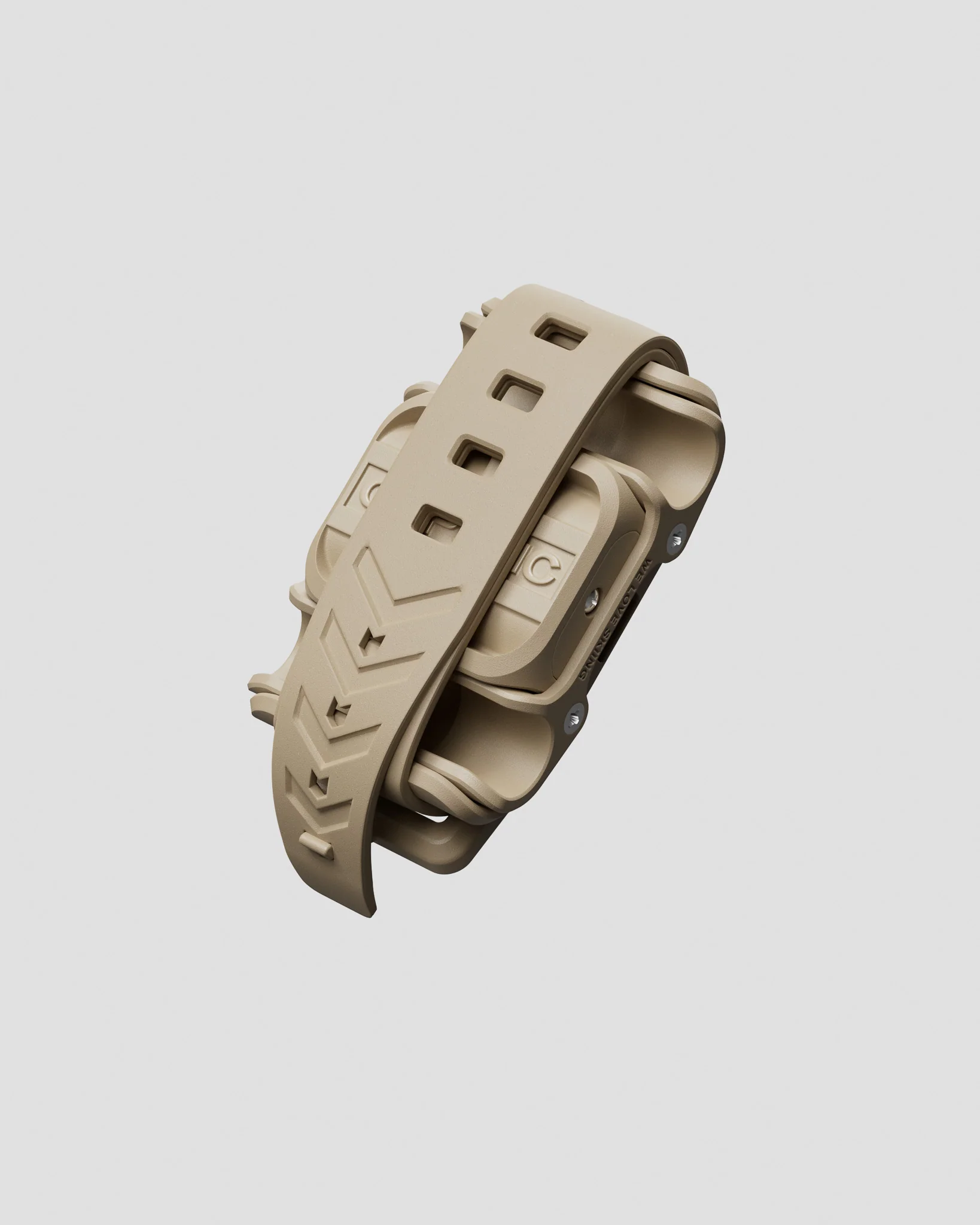
Missing a hand while carrying ski gear?
A friend of mine created Clipstic, the easy way to attach your poles to your skis! Using this link you get 10% off as well as support for Pick-a-ski!
Check it out!Not sure the Firebird rs ti is your ski?
Answer a few quick questions and the ski selector matches you with the right skis from 800+ models — free, no sign-up.